Materials
What does my chair need? Choosing seat repair materials
Identify your chair seat by what you see, a groove, holes, round rails, L-nails, webbing or an aluminum frame, and find the material and project page.
Updated
Your chair tells you what it needs. Look at the edge of the seat opening and underneath it. A groove means pressed cane. A row of holes means hand caning. Four round rails wrapped in cord mean rush, seagrass or tape. Small L-shaped nails under the rails mean Danish cord. Fabric over padding means upholstery, and an aluminum frame means straps, a sling, lacing or cords.
Each of these jobs has a project page that lists the materials, tools and kit to buy, with short steps. The tables below link them all.
Three things to look at
- The edge of the opening. Is there a groove with a strip pressed into it, a row of holes, or rails wrapped in cord?
- Underneath. Look for small nails, tacks or staples, straps of webbing, springs, a plywood board, or knots and loops between holes.
- The material. Flat glossy strands are cane. Twisted paper or grass is a seat-weaving cord. Flat cloth tape is Shaker tape. Fabric over foam is upholstery, and vinyl or fabric on a metal frame is an outdoor chair.
Indoor seats
| What you see | What it is | Project page | What to buy |
|---|---|---|---|
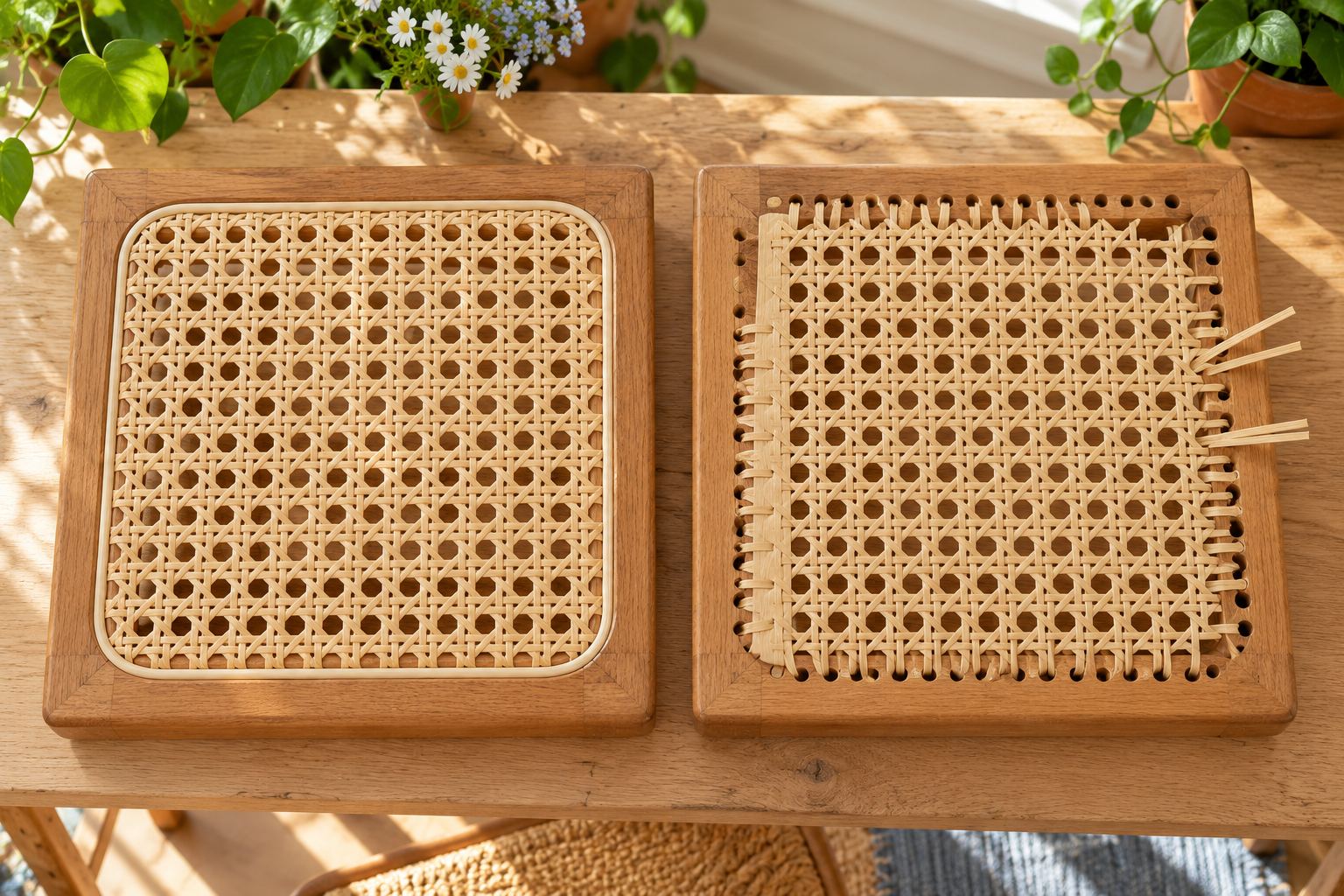
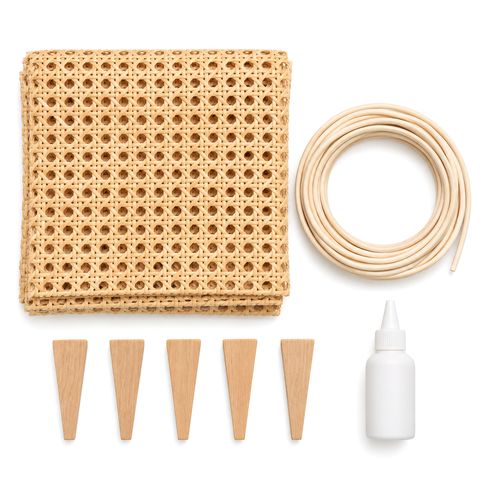
| A groove around the opening with a strip pressed into it | Pressed cane: a woven sheet held by reed spline | Replace a pressed cane seat | Cane webbing and reed spline, or the chair seat caning kit |
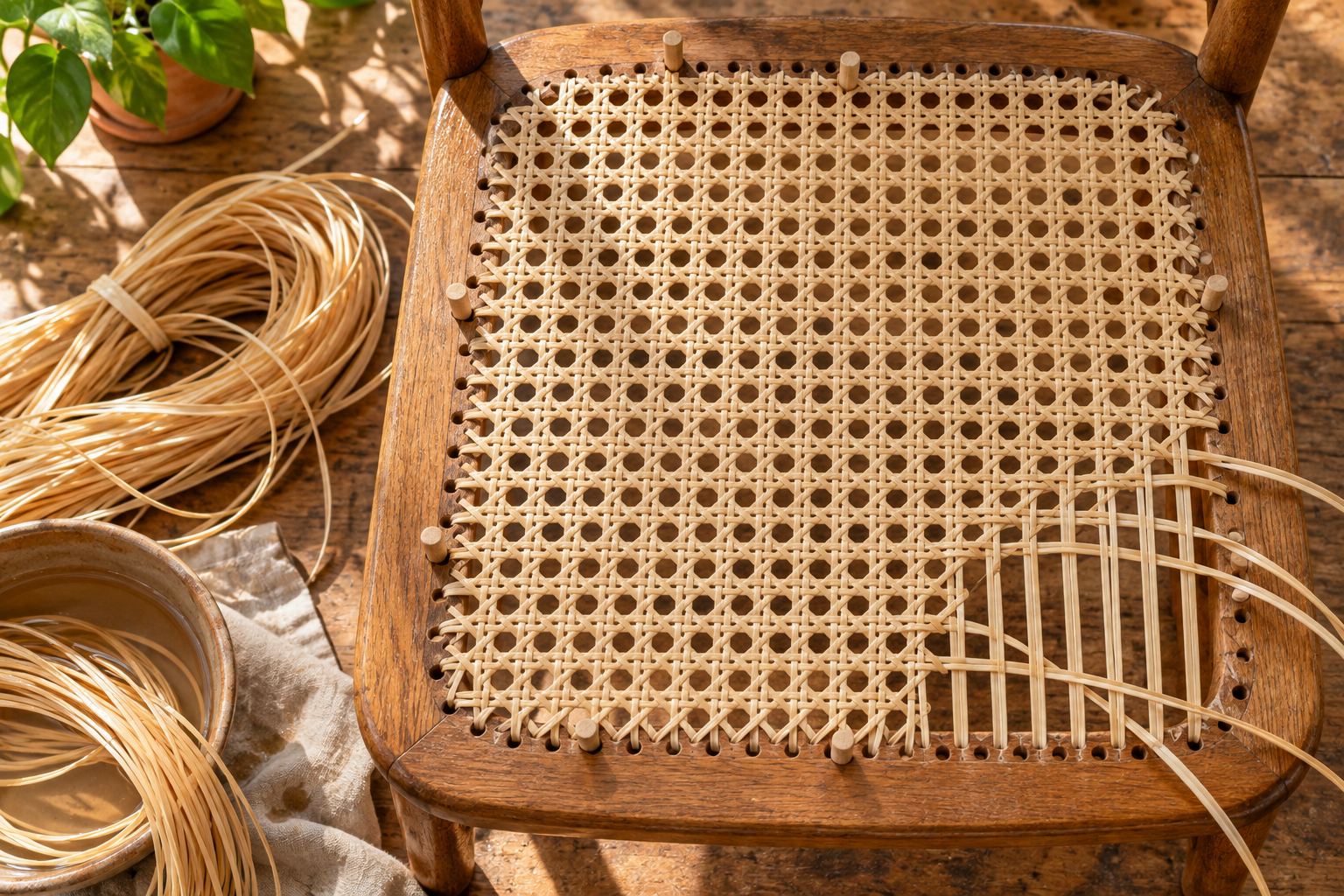
| A row of holes around the opening, often under a wide flat strip | Hand caning, woven strand by strand | Hand-cane a chair seat | Strand cane and binder cane, or the hand caning kit |
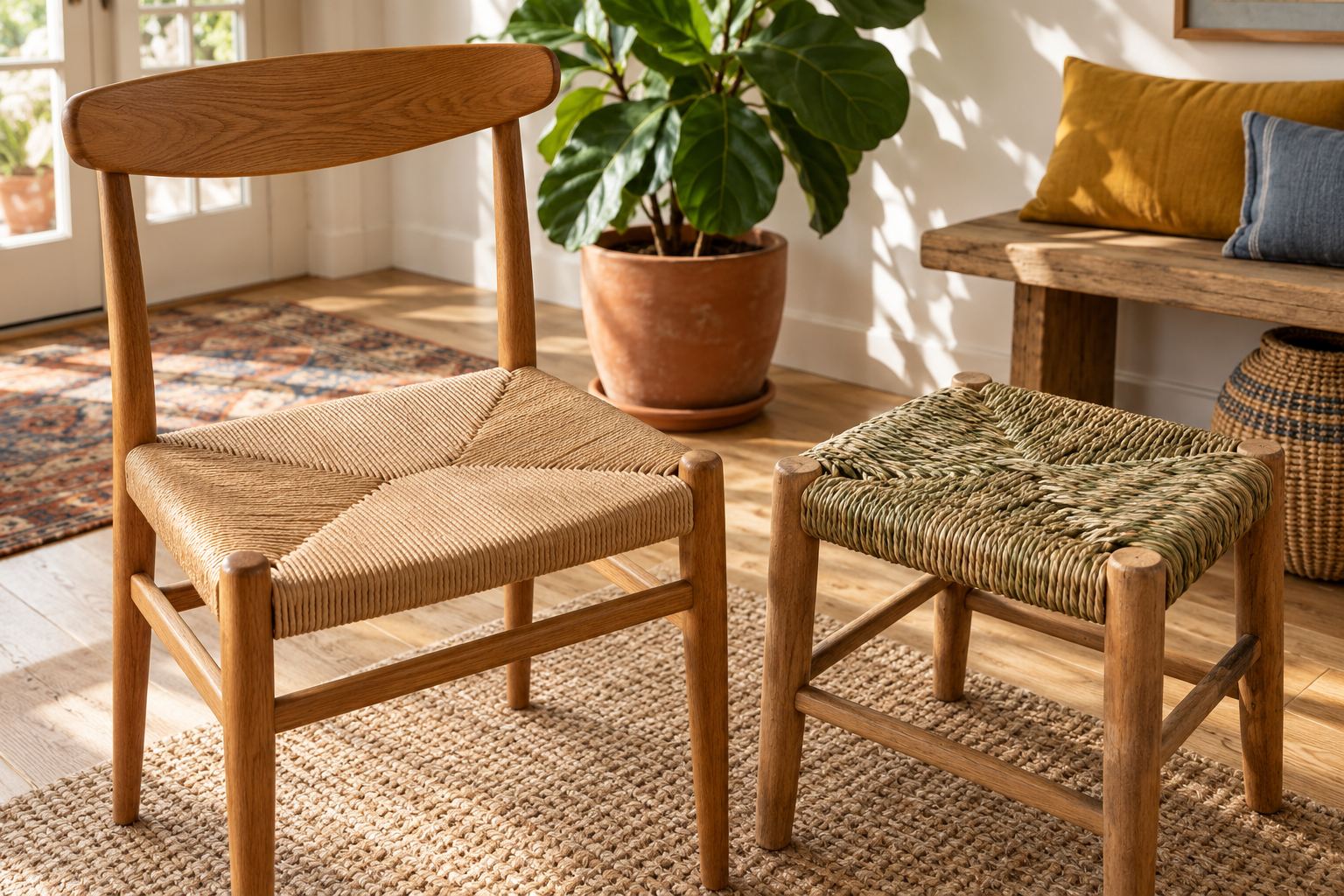
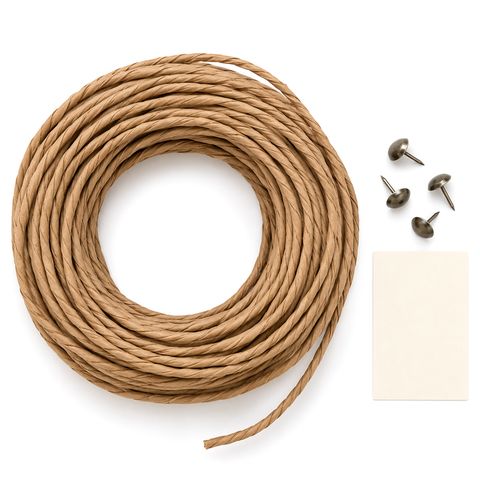
| Four round rails, cord wrapped from the corners into four triangles | Rush pattern in fiber rush or seagrass | Weave a rush, seagrass or tape seat | Fiber rush or seagrass, or a fiber rush kit or seagrass kit |
| Four rails, flat cloth tape woven in a checkerboard | Shaker tape | Weave a rush, seagrass or tape seat | Shaker tape |
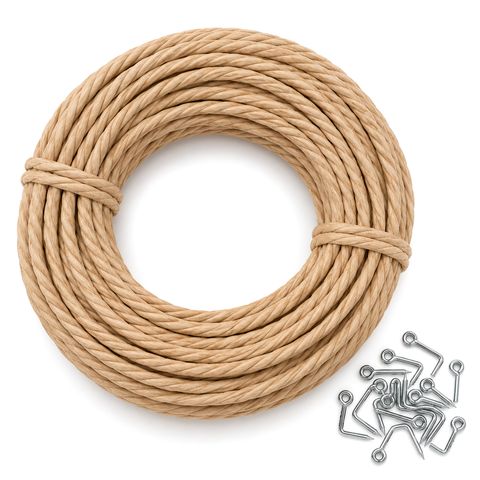
| Small L-shaped nails on the inside of the rails, paper cord in a grid | Danish cord | Weave a Danish cord seat | Laced Danish cord and L-nails, or the Danish cord seat kit |
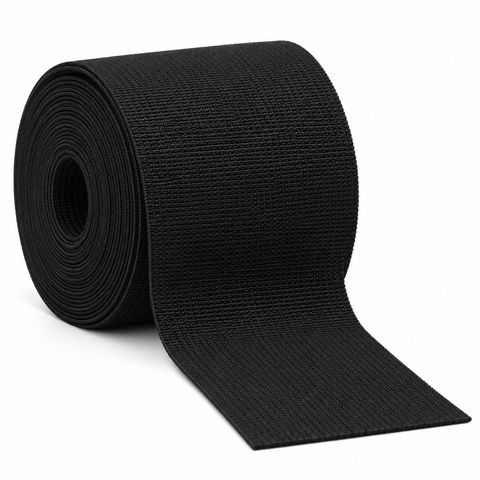
| Fabric over padding; underneath, straps of webbing, springs or a board | Upholstered seat | Re-web and re-pad a chair seat | Elastic webbing or jute webbing, foam, batting |
| A tubular steel cantilever chair with a bentwood seat frame holding cane, screwed on from below | Framed cane seat (B32-style chair) | Replace a pressed cane seat, to re-cane the frame | Or swap it: replacement cane seat, seat and back set |
| A solid wood stool top, cracked or missing | Wood seat | None needed | Round wood stool seat |
Outdoor chairs and wicker
| What you see | What it is | Project page | What to buy |
|---|---|---|---|
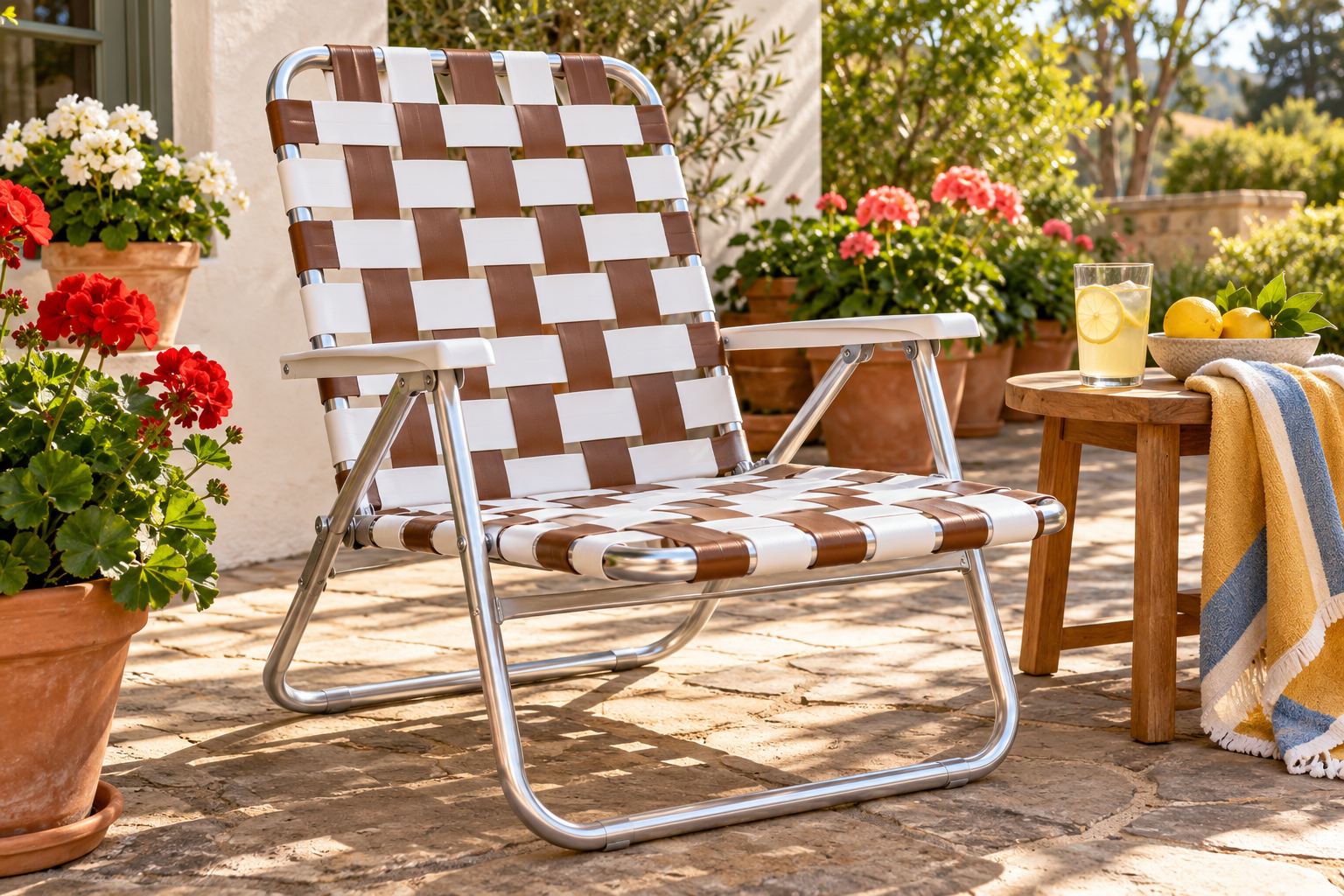
| Aluminum frame, flat vinyl straps fixed with rivets | Strap chair | Fix outdoor patio chairs | 2 in or 1.5 in strap, rivets |
| Aluminum frame, fabric seat slid into channels in the side rails | Sling chair | Fix outdoor patio chairs | Sling fabric, sling chair spline cord |
| Round or oval vinyl cord wrapped many times around the frame | Laced chair | Fix outdoor patio chairs | Oval vinyl lacing cord |
| Folding recliner laced to its frame with bungee cord | Zero gravity chair | Fix outdoor patio chairs | Zero gravity chair cords |
| Soft rope woven across a frame | Rope chair | Fix outdoor patio chairs | Olefin cord |
| Woven plastic strands that look like wicker | Resin (PE) wicker | Repair wicker and rattan furniture | PE wicker strip or the repair kit |
| Natural rattan or wicker, broken strands or loose leg wraps | Natural wicker | Repair wicker and rattan furniture | Binder cane, rattan core |
Telling look-alikes apart
Groove or holes?
Run a fingernail around the edge of the opening. On a pressed cane seat you feel a strip of spline sitting in a groove, with the cane tucked into it; underneath you see only the dull back of one sheet. On a hand-caned seat the cane goes through holes drilled in the frame, and underneath there are short loops between the holes and tied-off ends. Pressed cane looks like hand caning from the top, which is why people mix them up. Cane webbing vs hand caning shows the difference.
Rush, seagrass, tape or Danish cord?
- The pattern: four triangles that meet along diagonal lines from the corners mean the rush pattern. A grid or checkerboard means a woven seat: tape or Danish cord.
- Fiber rush is brown kraft paper twisted into a single smooth, even cord.
- Seagrass is green to wheat colored, slightly irregular, and smells a little grassy when new.
- Danish cord is paper cord made of plies. Laced cord is round, unlaced is flatter. Look for L-nails on the inside of the rails.
- Shaker tape is a flat woven cloth tape, often in two colors.
For how they compare in looks and wear, see Danish cord vs fiber rush vs seagrass, and for the words themselves, rattan vs wicker vs cane.
What is under an upholstered seat?
- A seat that lifts out of the frame is a drop-in seat: see how to reupholster a drop-in chair seat.
- Stretchy rubber straps stapled or clipped across the frame are elastic webbing: see how to reweb a chair seat with elastic webbing.
- Woven natural-fiber straps under springs or stuffing are jute webbing. Elastic vs jute upholstery webbing explains when to use which.
- Sagging S-shaped wires across the frame are zig-zag springs.
Maybe it only needs care
A slack cane seat with no broken strands can often be tightened with water, loose joints can be glued, and a scratched frame can be touched up. Start with clean and refinish cane furniture and how to tighten a sagging cane seat. A small hole in a cane seat is covered in how to patch a hole in a cane seat.
Other cane projects
- Add cane to cabinet doors for kitchens, sideboards and wardrobes
- Cane headboards and furniture makeovers for headboards, screens and dressers
- Weave your first basket on a wooden base with reed
Measure before you order
| Seat | What to measure | Where it is explained |
|---|---|---|
| Pressed cane | Groove width, and the size from the outside of the groove | Spline finder, how to measure a spline groove, how much cane webbing do I need |
| Hand caning | Hole size and spacing | Strand cane size chart |
| Rush, seagrass, tape, Danish cord | The four rails | How much seat weaving cord do I need |
| Strap chair | Strap width, path and count, hole size | How to measure patio chair straps |
Still not sure? Send us a photo of the seat from above and from underneath with your question. Once you know, the project page for your job, from replacing a pressed cane seat to fixing outdoor patio chairs, lists everything to buy in one place.
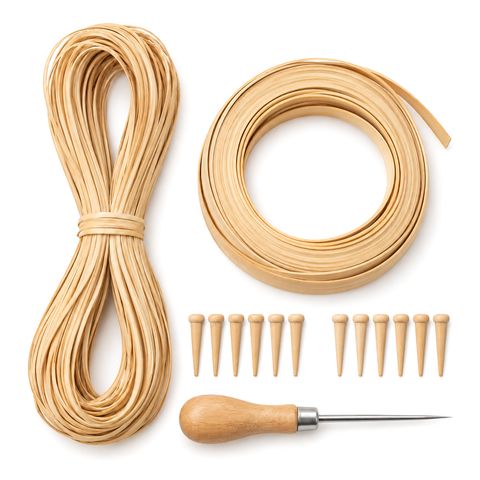
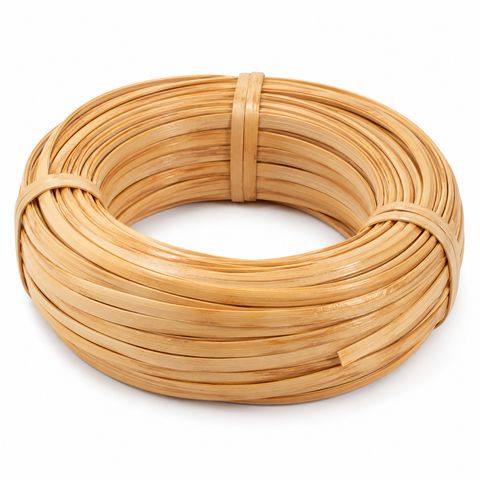 Binder Cane
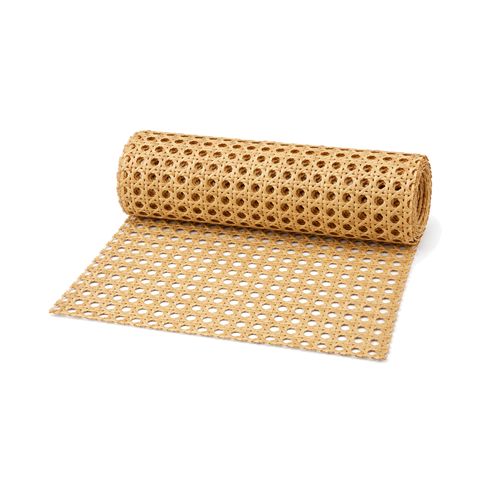 Cane Webbing Roll
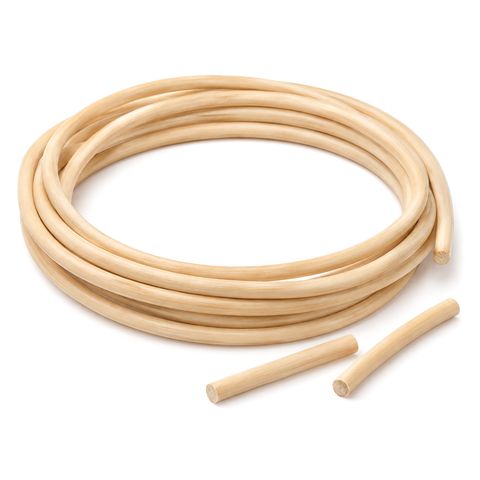 Reed Spline for Chair Caning
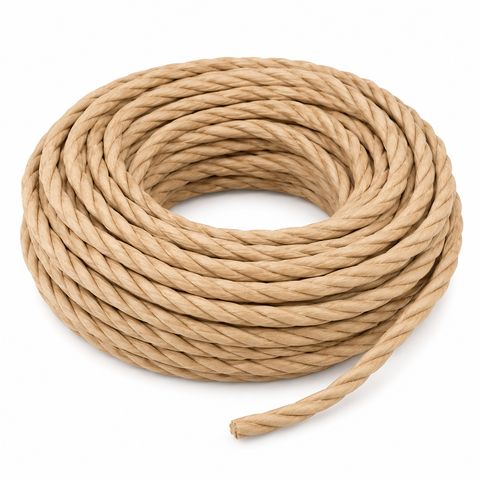 Laced Danish Cord
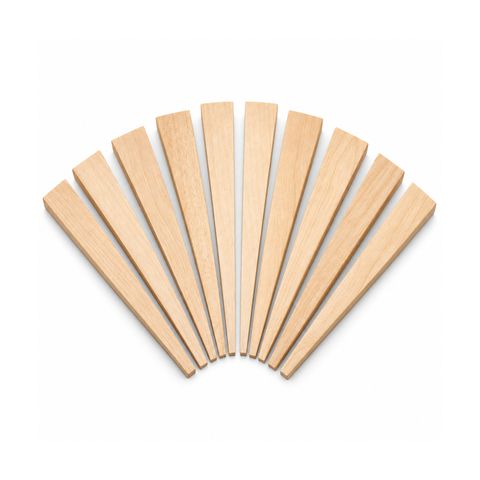 Caning Wedges