Materials
Rattan vs wicker vs cane vs reed: what each word means
Rattan is the plant, cane its peel, reed the core and wicker the weave. What each is used for, how PE resin wicker differs and what to buy for each repair.
Updated
Rattan is a climbing palm. Cane is the glossy outer peel of its stems, and reed is the matte core inside. Wicker is not a material at all but a way of weaving, done with rattan, reed, willow, paper fiber or plastic. PE or resin wicker is the plastic version made for outdoors. For a repair, match the material your piece is made of, not the word on its label.
The strips, binder and tools for the most common repairs are on the repair wicker furniture project page.
The words at a glance
| Word | What it is | Where you see it | Repair material |
|---|---|---|---|
| Rattan | A climbing palm with long, solid stems | Furniture frames of whole poles, bent arms and legs | Binder cane for wraps; wood glue for joints |
| Cane | The glossy outer peel of rattan, cut into strips | Hand-caned seats, pressed cane panels, wrapped joints | Strand cane, binder cane, cane webbing |
| Reed | The matte inner core of rattan | Woven wicker chairs, baskets, spline | Round, flat or flat oval reed; rattan core; reed spline |
| Wicker | The woven construction, in any material | Chairs, settees, baskets, porch furniture | Whatever the piece is woven from |
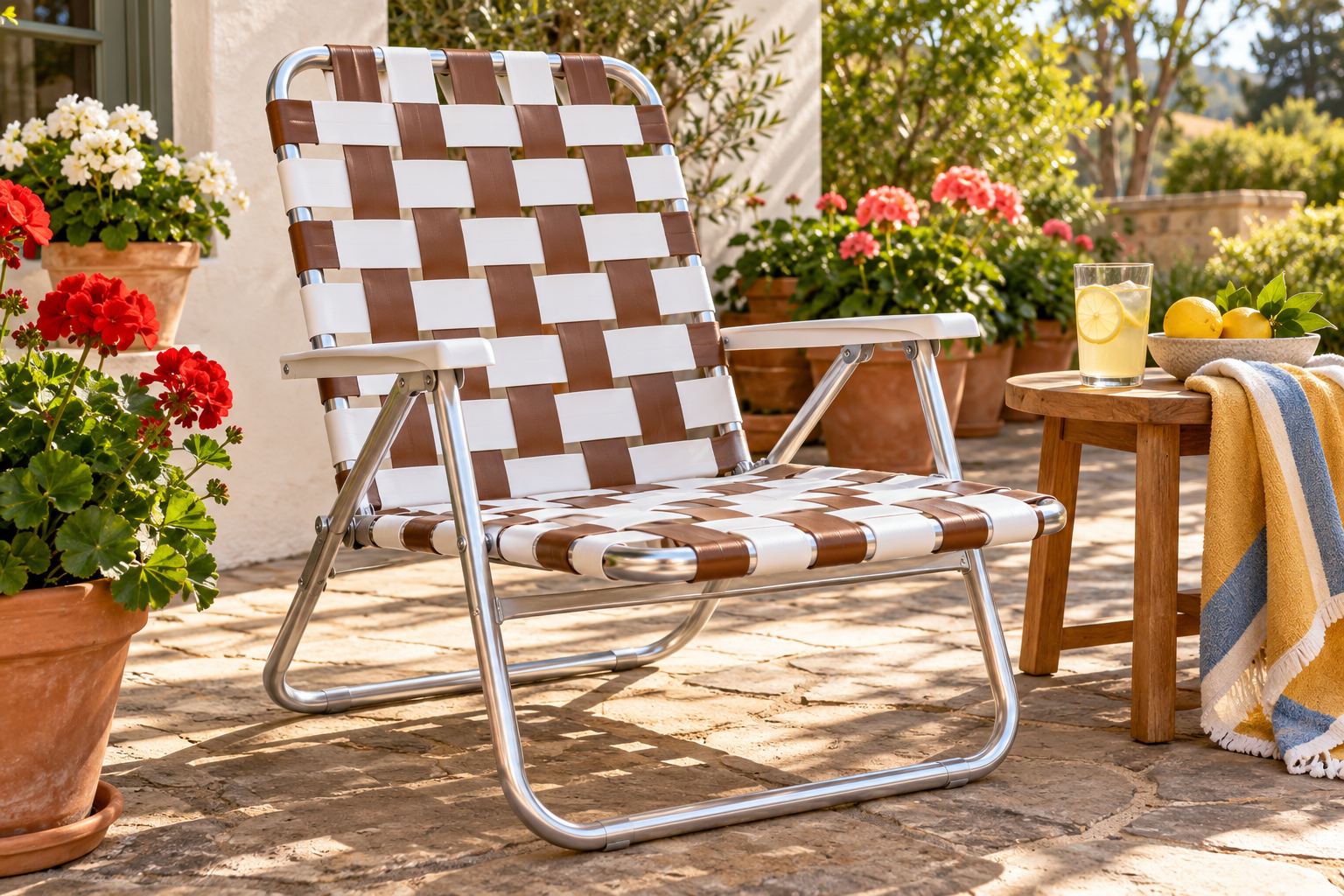
| PE or resin wicker | Polyethylene strip woven over a metal frame | Patio and pool furniture | PE wicker strip |
| Paper fiber | Twisted kraft paper | Some indoor wicker, rush and Danish cord seats | Fiber rush or Danish cord for seats |
Rattan: the plant
Rattan is a palm that climbs through tropical forest, with long, thin stems. The stems are solid all the way through. That is the quick way to tell it from bamboo, which is a grass with hollow stems.
In furniture, “rattan” usually means the frame: whole stems, called poles, bent into arms, legs and backs and joined together. The joints are often wrapped with strips of cane to bind and hide them. When a wrap like that works loose, it is rewrapped with binder cane; how to wrap chair legs with binder cane shows how.
Be careful with shop labels. “Rattan” is also used for woven plastic, sometimes as “PE rattan” or “synthetic rattan”. If a piece is sold for year-round outdoor use, it is almost certainly plastic.
Cane: the peel
Cane is the hard, glossy skin of the rattan stem, peeled off and cut into flat strips. The shiny face sheds water and wears well; the duller back takes up moisture more readily. Always weave it with the shiny side out.
You meet cane in three forms:
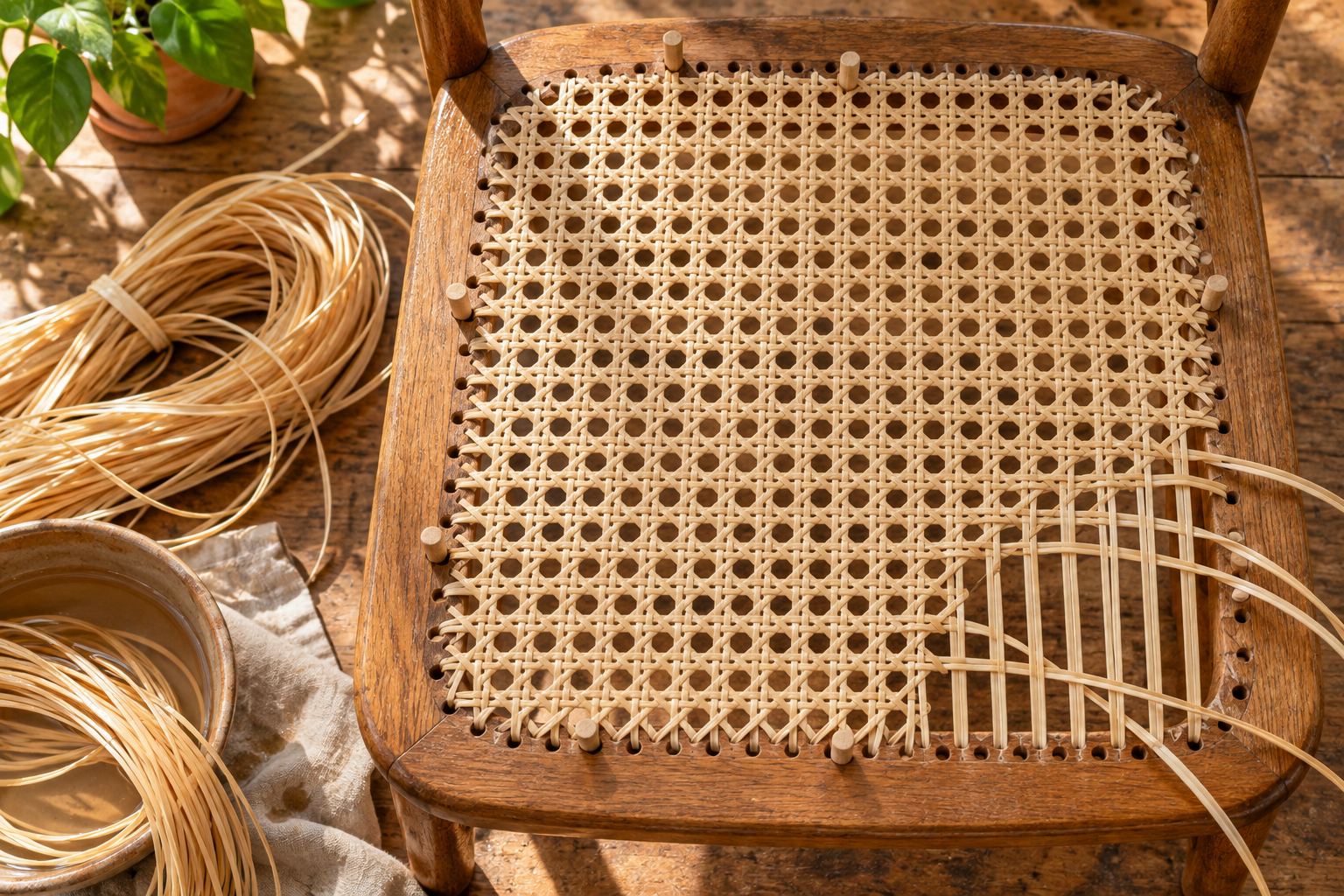
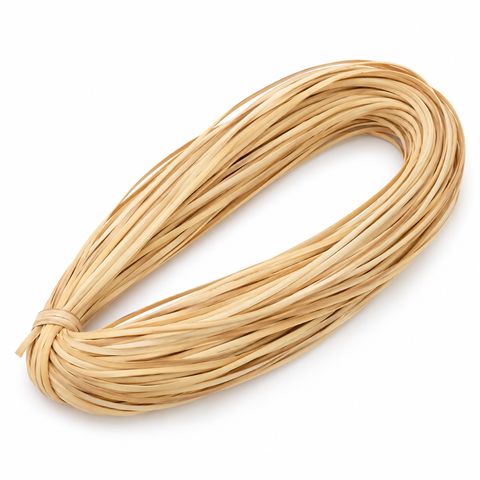
- Strand cane, woven by hand through a row of drilled holes in the traditional seven-step pattern. It runs from superfine 2 mm to common 3.5 mm; see the strand cane size chart.
- Binder cane, the same peel cut wider, 4 to 6 mm, used to cover the holes at the edge of a hand-caned seat and to wrap furniture joints, legs and handles.
- Cane webbing, also called pressed cane, machine-woven into sheets. It is pressed into a groove with spline or stapled behind a frame. See cane webbing vs hand caning.
“Cane” in a furniture name, as in a cane chair or a cane headboard, usually means one of these woven into a frame. It has nothing to do with sugar cane or bamboo cane.
Reed: the core
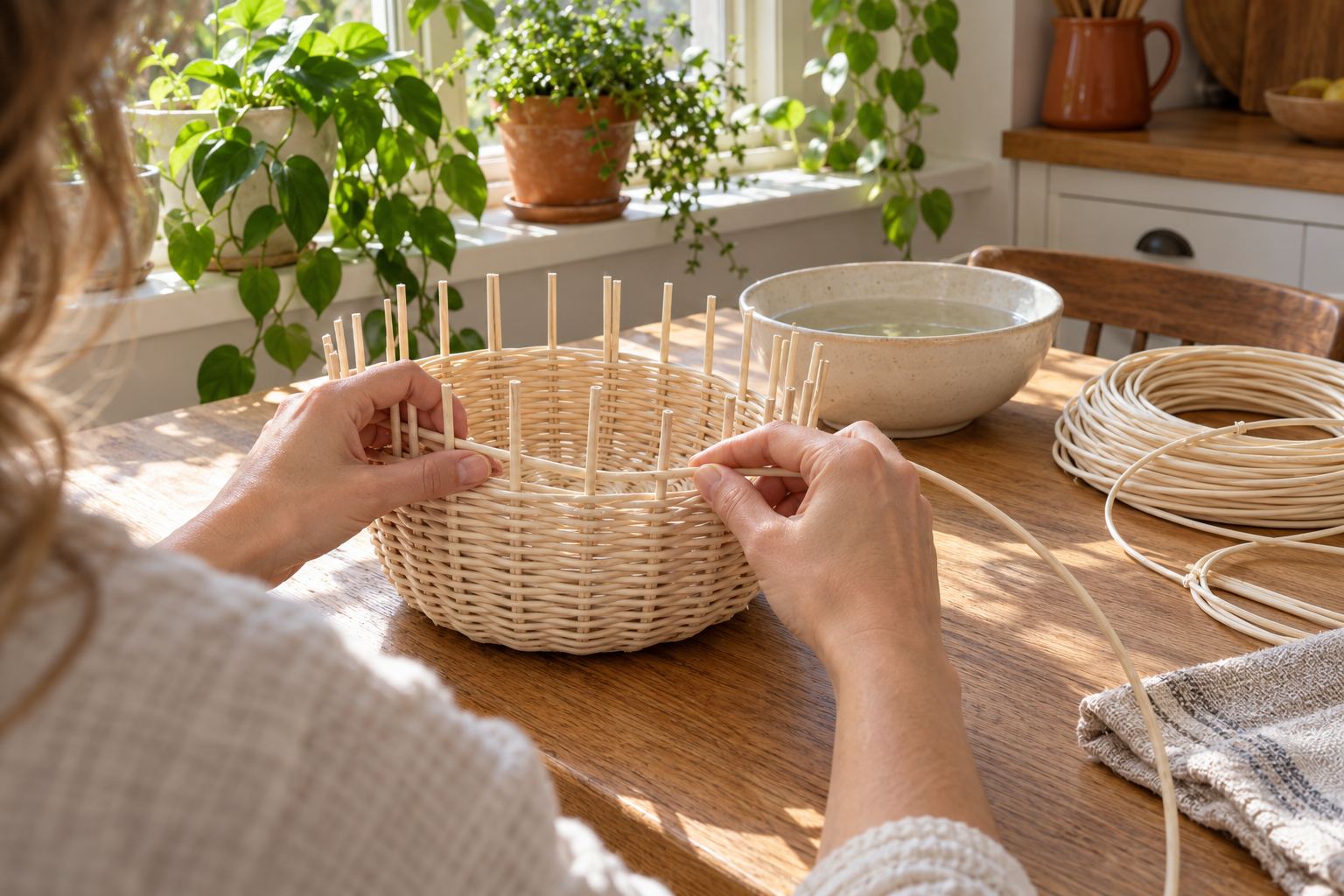
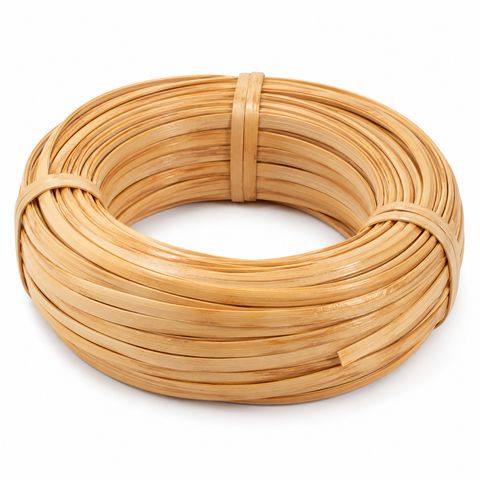
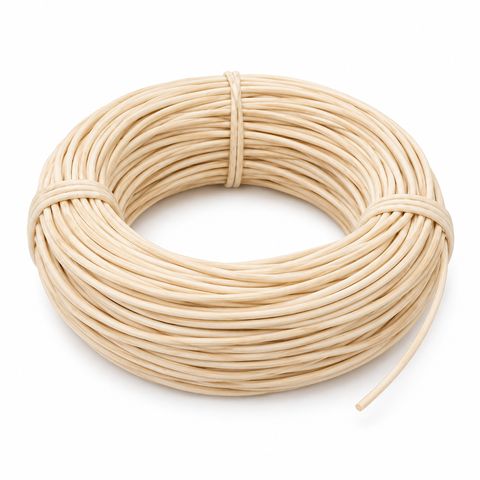
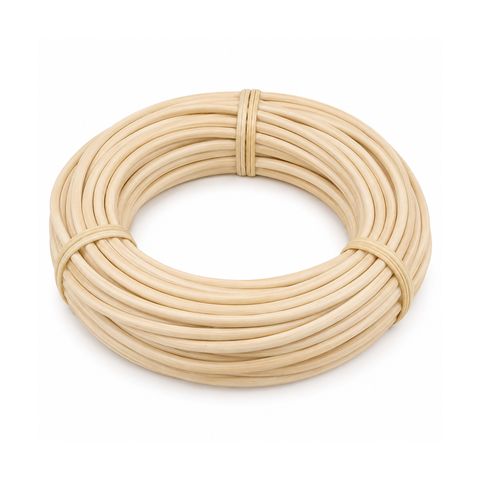
Once the peel is off, the core of the rattan is cut into strands. Round reed comes in numbered sizes; ours runs from #2 (1.75 mm) to #6 (3.75 mm), and rattan core continues at 4 and 5 mm. Flat reed and flat oval reed are the core cut into strips. Reed spline, the wedge-shaped strip that locks pressed cane into a groove, is rattan core too.
Reed is matte and porous, so it takes stain and paint well, which is why so much woven wicker furniture is painted. It is also softer than cane, cracks if bent dry and turns hairy if soaked too long. Basket reed is not the reed that grows in marshes; it is rattan.
Wicker: the weave
Wicker describes how a piece is made: flexible strands woven around a frame or around each other. The material can be rattan, reed, willow, paper fiber or plastic. Two wicker chairs that look the same from across the room can need completely different repairs.
To tell what you have, look closely at a broken end and at the strands:
- Natural reed or rattan looks fibrous inside, and strands vary a little in thickness and color.
- Paper fiber looks like tightly twisted paper and is usually painted. Keep water off it: it softens and comes apart when wet.
- PE resin wicker breaks clean, like plastic, with the same color all the way through. The strands are very even, often with a molded grain, and woven over an aluminum or steel frame.
Natural wicker belongs indoors or on a covered, dry porch. Rain and constant damp make natural fiber sag, mildew and eventually rot.
PE or resin wicker: the plastic version
Outdoor wicker is usually polyethylene strip woven over a metal frame. It does not absorb water, so it can live outside, and it is rinsed rather than wiped. It also behaves differently in a repair: PE goes in dry, does not shrink afterward, and most glues do not bond to it well, so the ends are held by tucking them under crossing strands. See how to repair outdoor resin wicker furniture.
Never patch natural rattan with PE strip, or PE wicker with natural reed. They look wrong side by side and they react to water in opposite ways.
Other look-alikes
- Bamboo: a hollow grass with raised rings along the stem. Our bamboo weaving strips are for small baskets and trays.
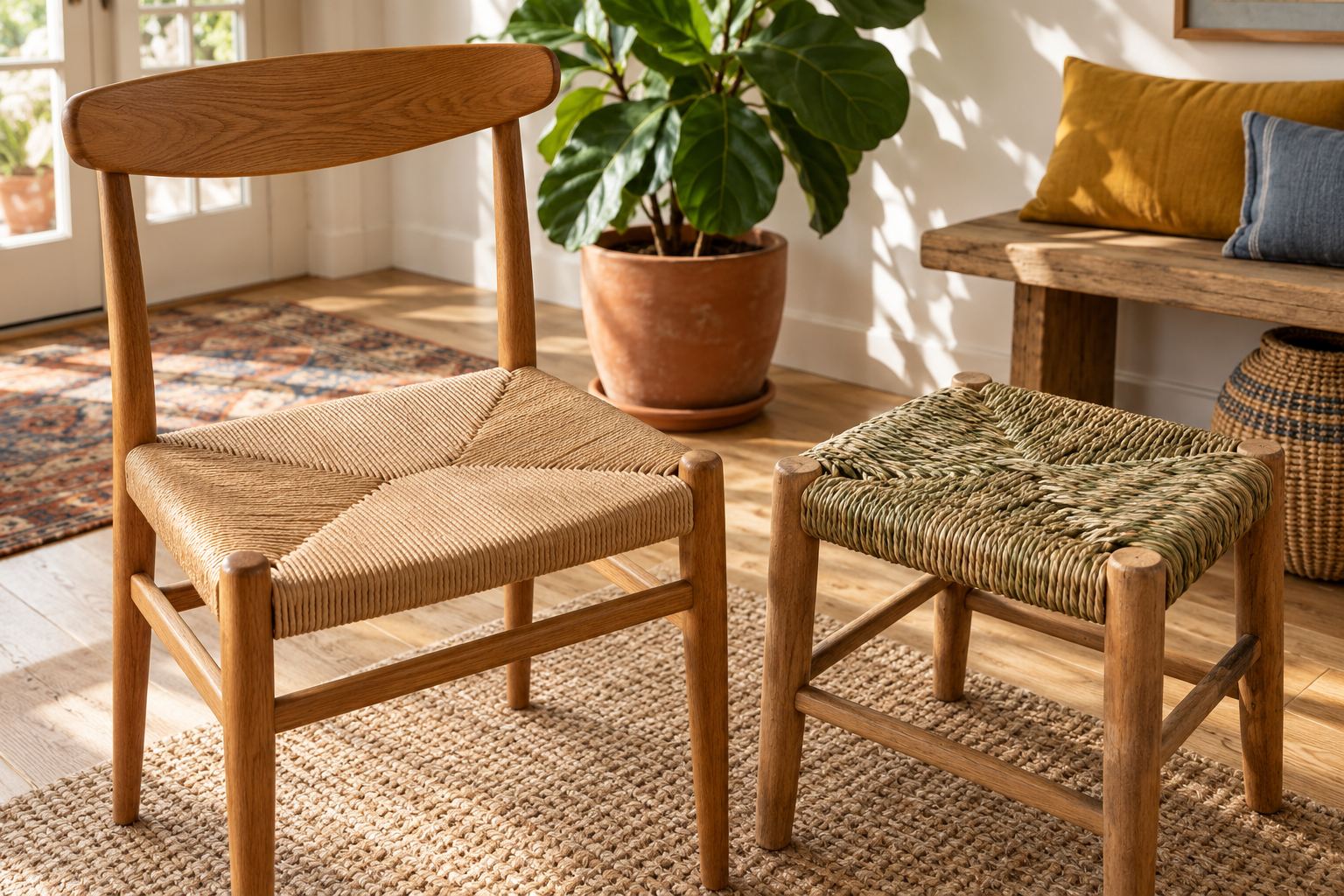
- Seagrass: a natural grass twisted into cord, for woven seats and stool tops, woven dry.
- Fiber rush, Danish cord and paper rattan strip: all twisted kraft paper, woven dry. Fiber rush imitates cattail rush on country chairs; Danish cord is used on Danish modern seats.
Which product for which repair
| Your repair | What to buy |
|---|---|
| Hand-caned seat, woven through holes | Strand cane and binder, or the hand caning kit |
| Pressed cane seat in a groove | Cane webbing and reed spline, or the chair seat caning kit |
| Loose wrap on a rattan leg or joint | Binder cane in the width of the old wrap |
| Broken weavers on woven reed wicker | Round reed in the same size, or flat reed for flat weaves |
| A heavier broken spoke | Rattan core, 4 or 5 mm |
| Outdoor resin wicker | PE wicker strip, round strand or the repair kit |
| Cane cabinet doors in a damp spot | PE cane webbing |
Measure an unbroken strand of the old material with calipers or a ruler marked in millimeters, and match its shape (round, flat or half-round) as well as its width. A short piece of the old strand next to the new one tells you more than any label.
For natural pieces, how to repair natural rattan furniture walks through broken weavers, loose joints and split poles. Natural materials are soaked before use; how to soak cane and reed has the times. Everything else for these jobs is on the repair wicker furniture project page.
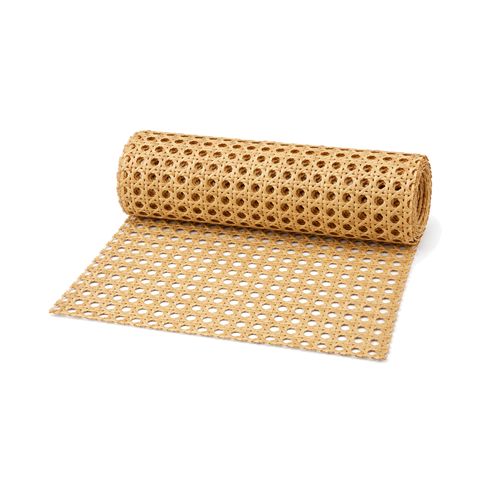 Cane Webbing Roll
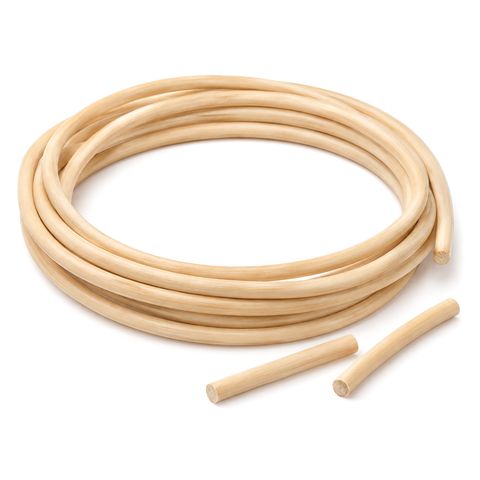 Reed Spline for Chair Caning