Collections
Chair seat repair: cane seats, webbing, tacks and stool tops
Most chairs wear out at the seat long before the frame gives up. This collection holds the parts that put a chair back into use without a full rebuild.
For tubular steel cantilever chairs (the B32-style chair with a bentwood seat frame), our replacement cane seat comes framed, with open weave cane already pressed in. Unscrew the old seat from below, usually four screws, and fit the new one. No caning skills needed. The seat and back set does the whole chair. Frame designs vary between makers, so measure your seat front to back and side to side and check the screw positions before you order.
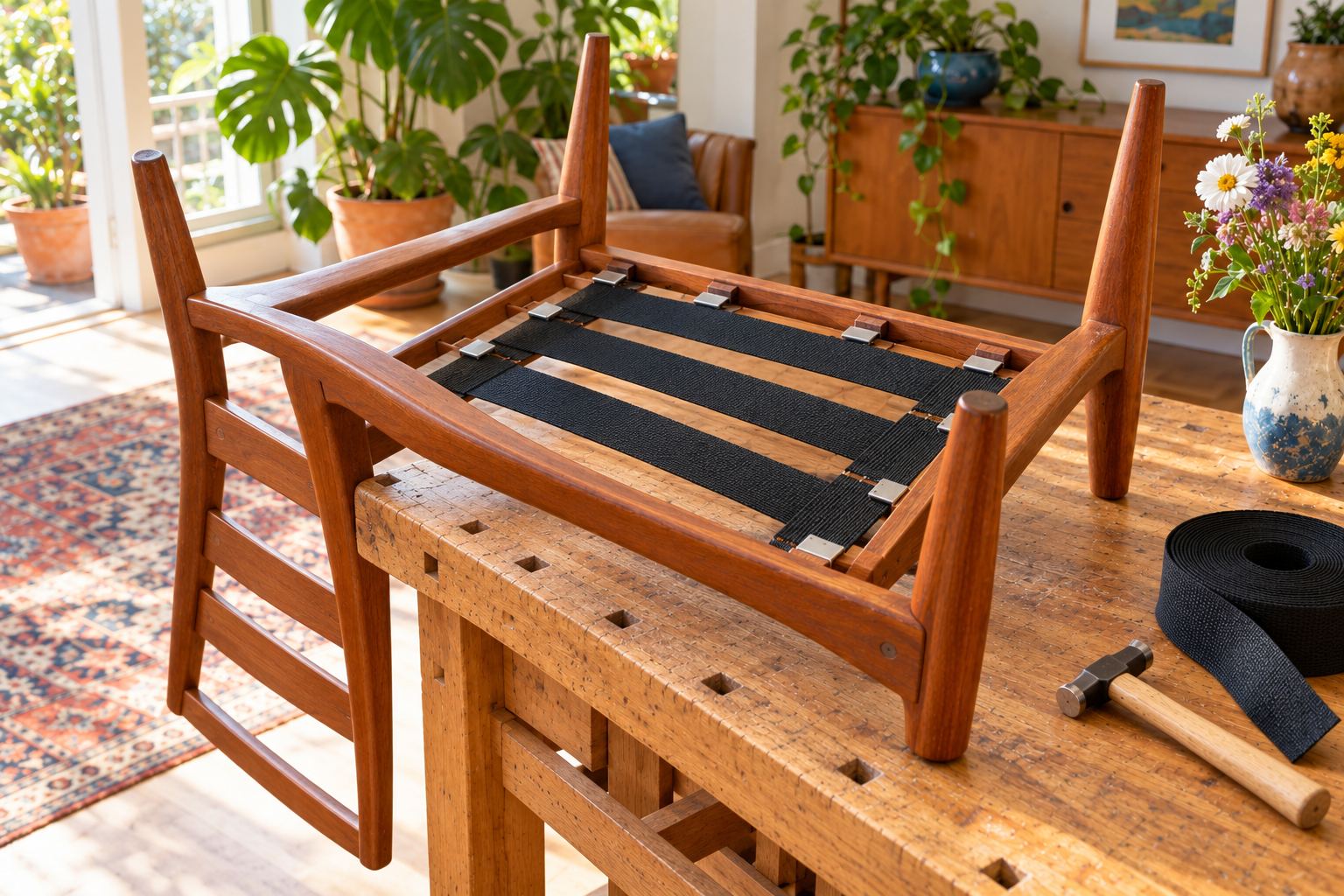
Under the cushions of many mid-century lounge chairs, dining chairs and sofas, the seat rests on elastic webbing: black rubber-latex straps 2 in wide, clipped or tacked to the frame and stretched about 5 to 10 percent so they do not sag. Traditional upholstered seats start from jute webbing, woven over and under across the frame and tacked while stretched with a webbing stretcher. Jute does not stretch like elastic, so it is not a swap for it. Our guide to rewebbing a chair seat covers both.
Clipped straps take new webbing clips on each cut end. To re-pad a seat, cut 2 in upholstery foam to the seat board, wrap it in batting and staple dust cover fabric underneath. Nail-on glides finish the legs.
To finish the edge of a rush, seagrass or upholstered seat, use antique brass upholstery tacks. For a cracked or missing stool seat, the round solid wood seat top in 11.6 or 13.8 in comes sanded and unfinished, ready to stain or oil and screw on from below.
- Before ordering a cantilever chair seat, measure it front to back and side to side and check where the screws go.
- Stretch elastic webbing about 5 to 10 percent; more is not better.
- Photograph the old webbing before you remove it: how many straps, which way they run and how far apart.
- Jute webbing needs a webbing stretcher to get even tension.
- Tap brass tacks in through a scrap of leather or cardboard so the finish is not marked.
-
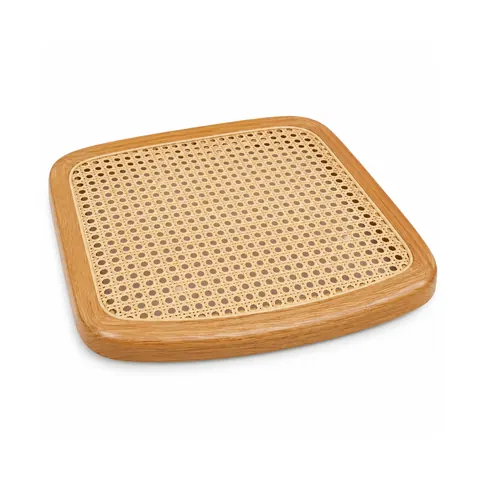
Cantilever Chair Replacement Cane Seat, Bentwood Frame, 4 Finishes
A ready-made bentwood seat frame with open weave cane already pressed in, for B32-style cantilever chairs. Unscrew the old seat, screw on the new.
$94.99 · 4 options
-
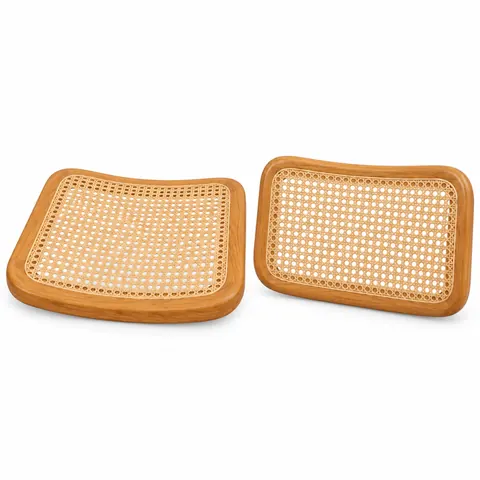
Cantilever Chair Cane Seat and Back Set, Framed, 3 Finishes
A matching framed cane seat and framed cane back for one B32-style cantilever chair, in natural, honey oak or black. Replace both parts in one go.
$124.99 · 3 options
-
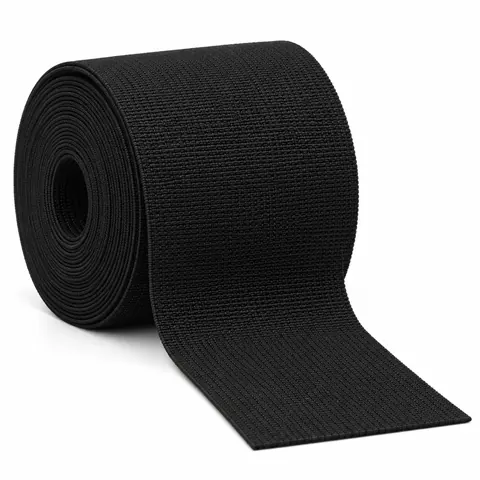
Elastic Chair Webbing, 2 in Wide, Black, 32, 40 or 160 ft Roll
Black rubber-latex elastic webbing, 2 in wide, for the springy support under seat cushions on chairs and sofas. Rolls of 32, 40 or 160 ft.
From $9.99 · 3 options
-
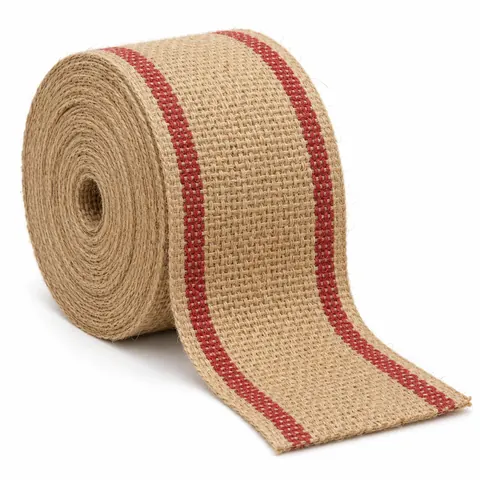
Jute Upholstery Webbing, 3.5 in Wide, 10 yd (30 ft) Roll
Natural woven jute webbing, 3.5 in wide on a 10 yd roll: the firm, traditional base woven across a seat frame under springs, padding or a drop-in seat.
$13.99
-
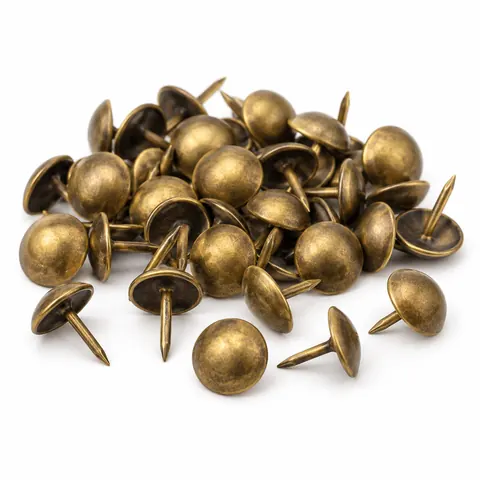
Upholstery Tacks, Antique Brass, 7/16 in Domed Head, 100 or 500
Round domed decorative tacks in an antique brass finish, 7/16 in head, for finishing rush, seagrass and upholstered seat edges and for nailhead trim.
From $6.99 · 2 options
-
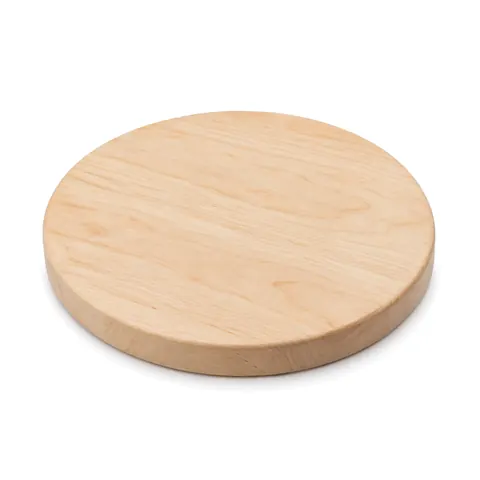
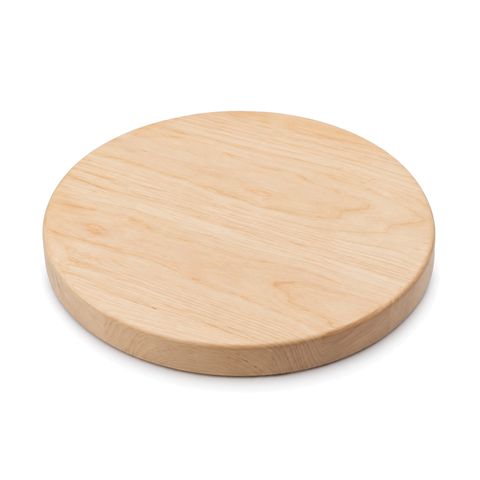
Round Wood Stool Seat, Unfinished Solid Wood, 11.6 or 13.8 in
A sanded, unfinished round solid wood top to replace a cracked or missing stool seat, 11.6 or 13.8 in across and about 3/4 in thick, ready to stain or oil.
From $23.99 · 2 options
-
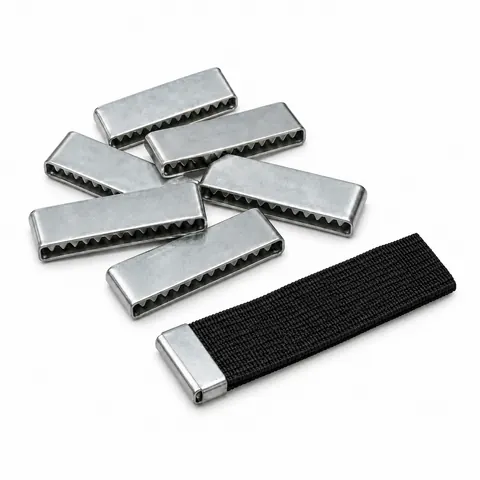
Metal Clips for 2 in Elastic Chair Webbing, Packs of 10, 20 or 40
Flat metal end clips for 2 in elastic chair webbing: pressed onto each strap end, they hook into the slot along the seat frame. Packs of 10, 20 or 40.
From $7.99 · 3 options
-
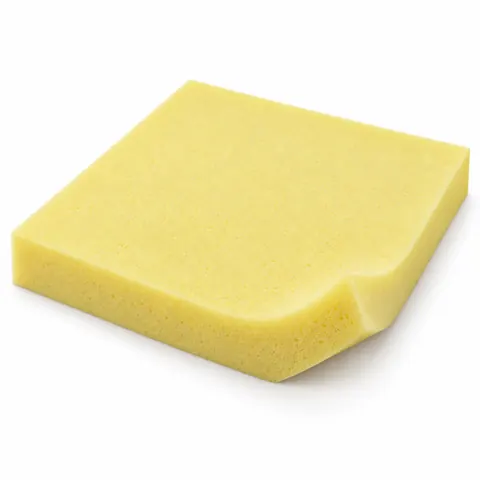
Upholstery Foam for Chair Seats, 2 in Thick, 20 x 20 to 24 x 72 in
Polyurethane upholstery foam, 2 in thick, for dining chair and drop-in seats: 20 x 20 or 24 x 24 in squares, or a 24 x 72 in sheet for benches.
From $16.99 · 3 options
-
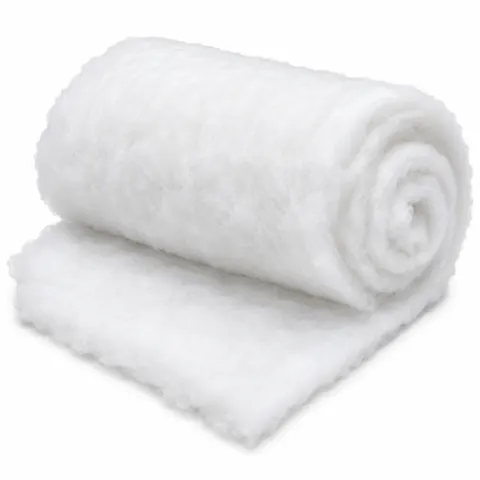
Upholstery Batting for Chair Seats, Polyester 1/2 in or Cotton
Soft batting wrapped over the foam before the fabric: it rounds the edges, smooths the top and stops fabric rubbing. Polyester 1/2 in or cotton.
From $19.99 · 2 options
-
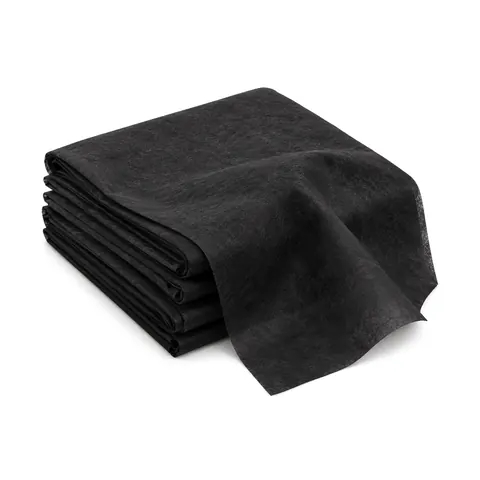
Black Dust Cover Fabric (Cambric) for Upholstery, 60 in or 36 in
Black nonwoven dust cover fabric, or cambric, stapled under a re-upholstered seat to keep dust and loose filling in. 60 in x 3 yd or 36 in x 6 yd.
From $9.99 · 2 options
-
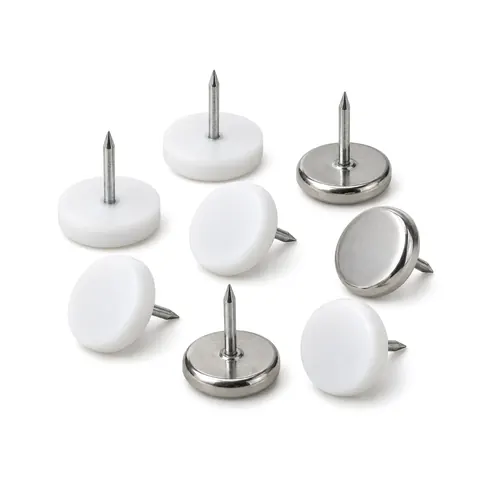
Nail-On Furniture Glides for Chair Legs: 3/4 in, 1 in PTFE or Felt
Nail-on glides for the bottom of wooden chair legs, so a repaired chair slides quietly without scratching the floor: 3/4 in, 1 in PTFE or felt.
From $7.99 · 3 options
Questions
Will the replacement cane seat fit my cantilever chair?
It is made for B32-style cantilever chairs, but the seat frame varies between makers. Measure your seat frame front to back and side to side, compare it with the size on the product page, and check the screw positions before you order.
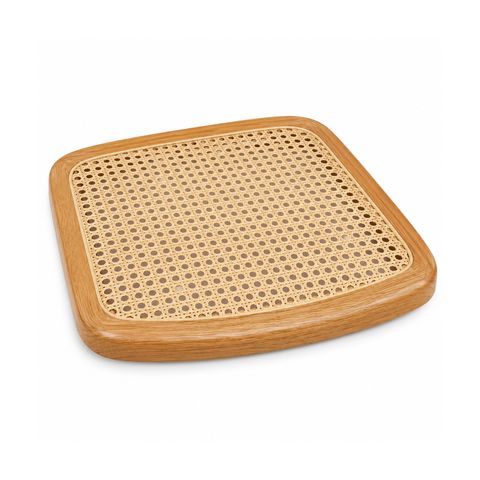 Cantilever Chair Replacement Cane Seat
Should I use elastic or jute webbing?
Use what the chair was built with. Elastic webbing is the springy support under the cushions of mid-century chairs and sofas. Jute is the firm, traditional base under springs, padding or a drop-in seat, and it does not stretch.
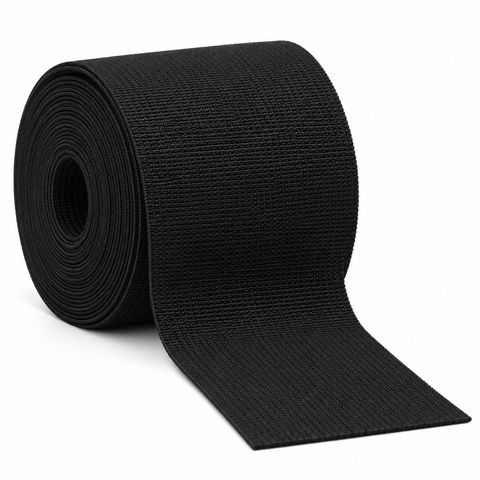 Elastic Chair Webbing
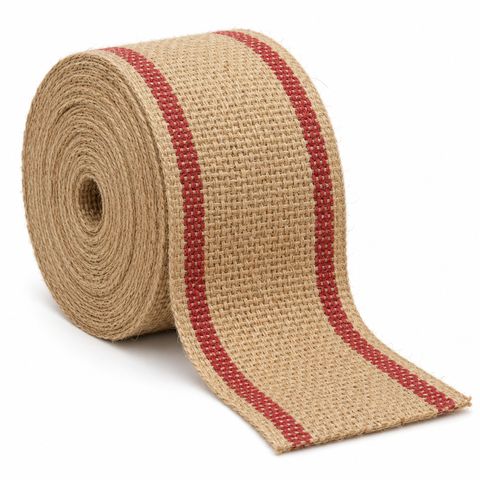 Jute Upholstery Webbing
How tight should elastic webbing be?
Stretch each strap about 5 to 10 percent of its length. That keeps the seat from sagging without straining the frame or the fasteners.
Does the stool seat come with screws?
No. Measure the old seat and the spacing of the legs or the mounting plate first, stain or oil the new top, then screw it on from below with screws that suit your stool.
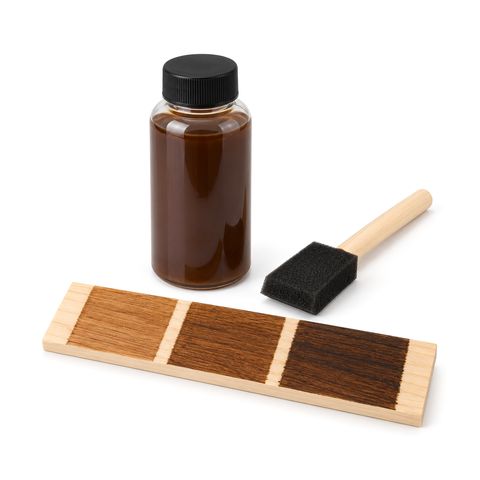 Water-Based Wood Stain for Chair Frames and Cane
 Round Wood Stool Seat