Collections
Tools for caning, seat weaving and upholstery
Caning and upholstery need only a few hand tools, but the right ones are the difference between a tight, clean seat and a dented groove or a split frame. This collection holds the tools you keep and reuse from one chair to the next, plus the glue.
For pressed cane, a caning chisel lifts out old spline without widening the groove; use the blade that matches your groove or one size smaller, 1/8 in for #7 grooves and 3/16 in for #8 and larger. Hardwood caning wedges press the soaked webbing into the groove, usually 4 to 8 at once, and a rubber mallet taps wedges and spline home without marking the wood. A narrow-tip wood glue lays the bead first, and a sharp utility knife trims the cane flush outside the spline. The pressed cane seat guide shows each tool in use.
For hand caning, wooden caning pegs hold the strands in the holes, usually 10 to 12 at a time. Spring clamps hold cane, cord or webbing in place while you weave, and small glue-ups while they set.
For upholstery and re-webbing, a staple remover lifts old staples and tacks without splitting the wood, a manual upholstery staple gun takes T50-type staples for webbing, seat fabric and dust covers, and a webbing stretcher pulls jute webbing tight before you fix it.
To add a groove where there was none, a straight router bit cuts a 1/8, 3/16 or 1/4 in groove for #7, #8 or #9 spline, guided by a template or an edge guide. For wicker, a slim stainless steel weaving tool lifts tight strands. The tool set puts a chisel, wedges and pegs in one box.
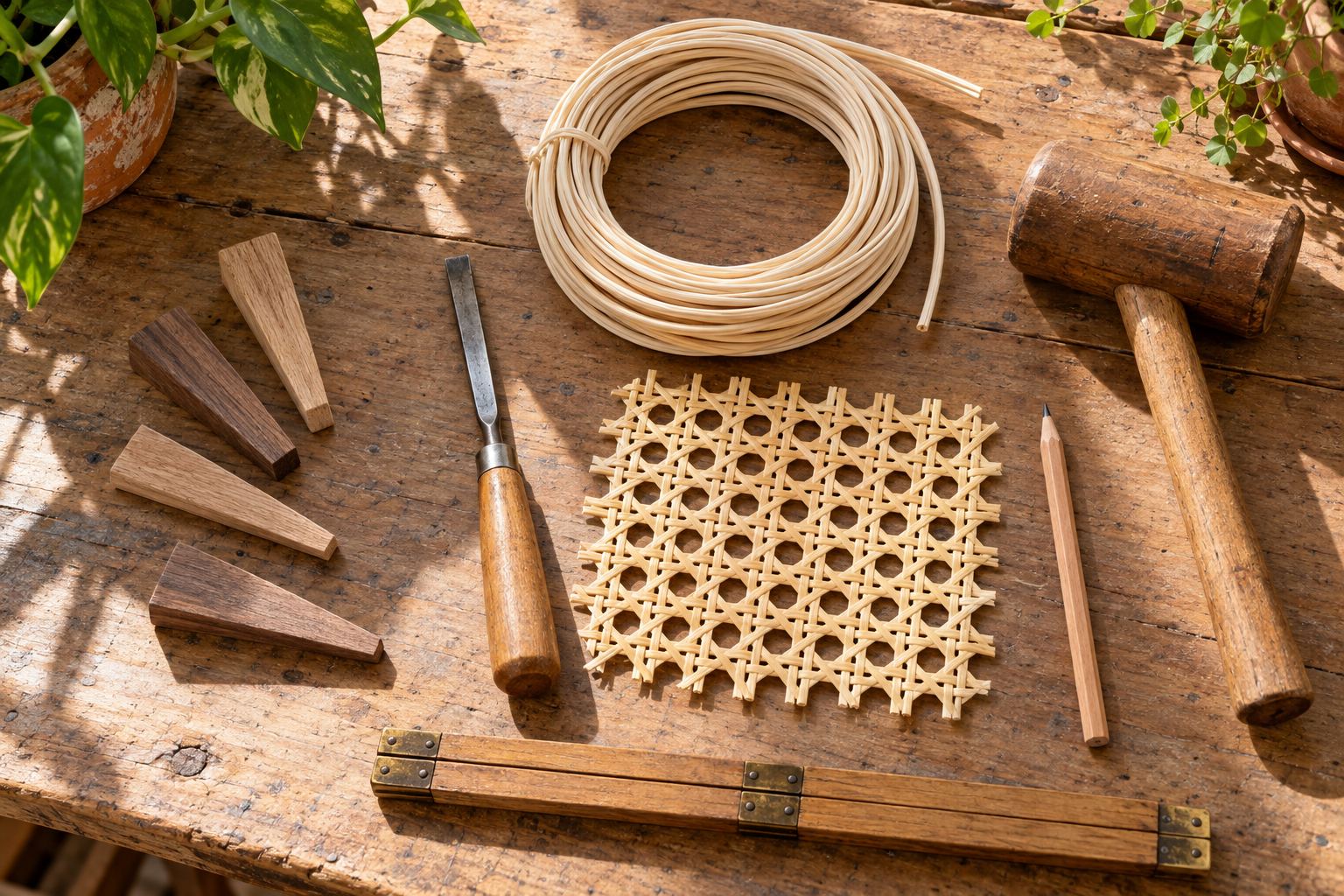
- Choose a chisel blade the width of your groove or one size smaller.
- Soften old glue with warm water or vinegar before you chisel.
- Press cane and spline with hardwood wedges so nothing gets dented.
- Keep 10 to 12 pegs in use when hand caning.
- Use the router bit with proper guards and eye protection.
-
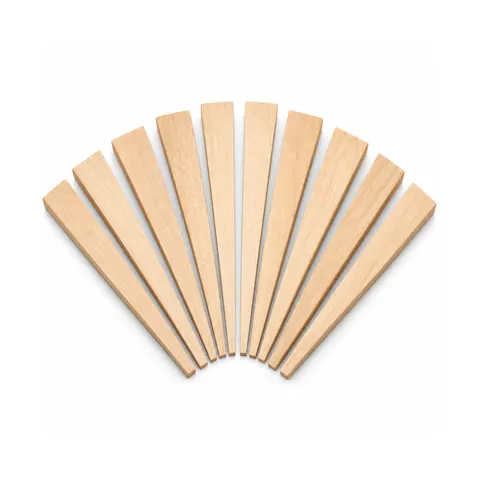
Caning Wedges, Hardwood, 3.9 in, Packs of 10, 20 or 40
Smooth hardwood wedges with a thin edge for tapping pressed cane into the groove and holding it while you work round the seat; packs of 10, 20 or 40.
From $11.99 · 3 options
-
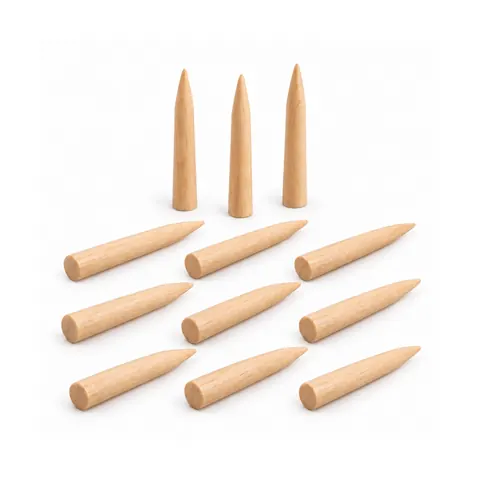
Caning Pegs for Hand Caning, Tapered Wood, 12 or 50 Pack
Tapered wooden pegs that hold strand cane tight in the holes while you hand-cane a seat, and later plug holes under the binder; packs of 12 or 50.
From $5.99 · 2 options
-
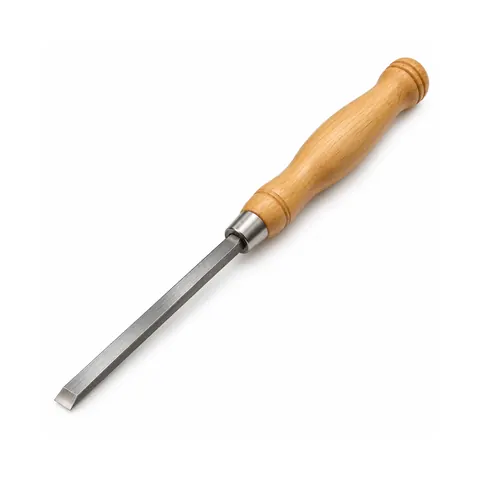
Caning Chisel for Removing Old Spline, 1/8 or 3/16 in Blade
A narrow steel chisel with a wooden handle, ground to fit the spline groove and lift out old spline and cane without widening it; 1/8 or 3/16 in blade.
From $24.99 · 3 options
-
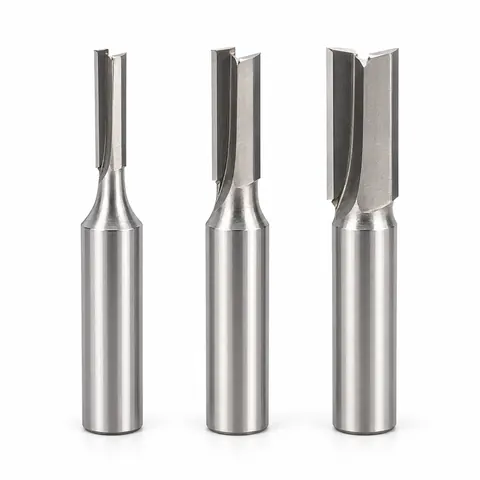
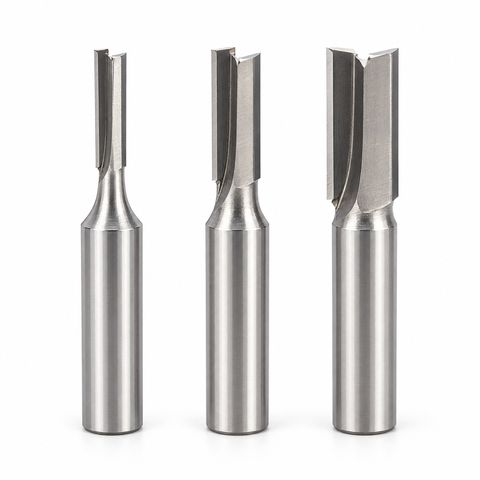
Straight Router Bit for Spline Grooves, 1/4 in Shank
A carbide straight bit with a 1/4 in shank that plunge-cuts a 1/8, 3/16 or 1/4 in spline groove into a new or assembled frame, for #7, #8 or #9 spline.
From $9.99 · 3 options
-
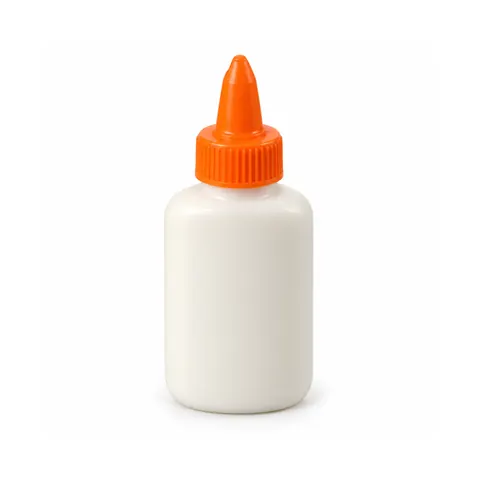
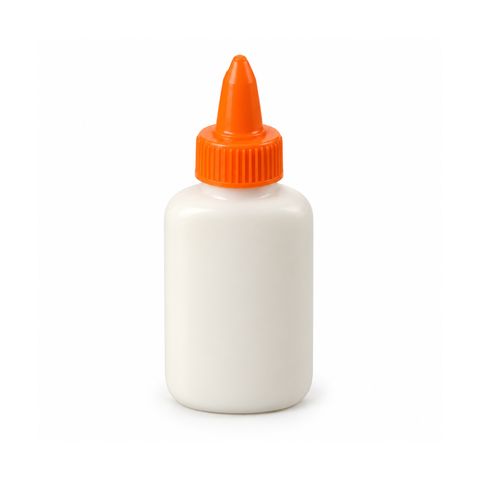
Wood Glue for Caning, White PVA, 4 fl oz Bottle with Narrow Tip
White PVA wood glue in a 4 fl oz squeeze bottle with a narrow tip that lays a clean bead into a spline groove. Dries clear; wipes up with a damp cloth.
$6.99
-
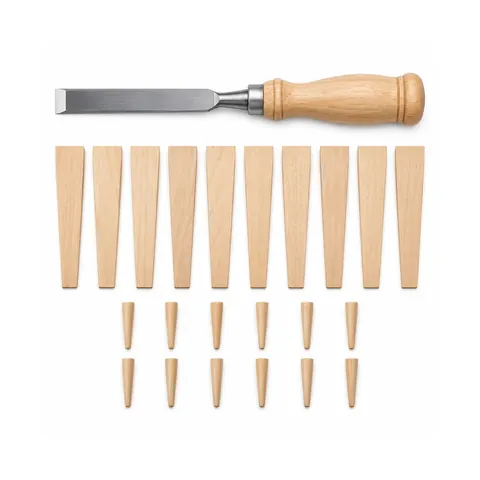
Pressed Caning Tool Set: Chisel, 10 Wedges and 12 Pegs
The reusable tools for pressed cane work in one box: a caning chisel with a 1/8 or 3/16 in blade, 10 hardwood wedges and 12 tapered wooden pegs.
$39.99 · 2 options
-
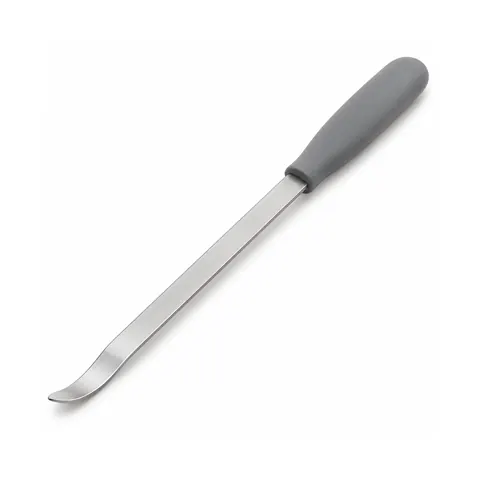
Wicker Weaving and Prying Tool, Stainless Steel, for Wicker Repair
A flat stainless steel tool with a slim curved tip and silicone grip for lifting tight wicker strands so a new strip can be threaded under them.
$7.99
-
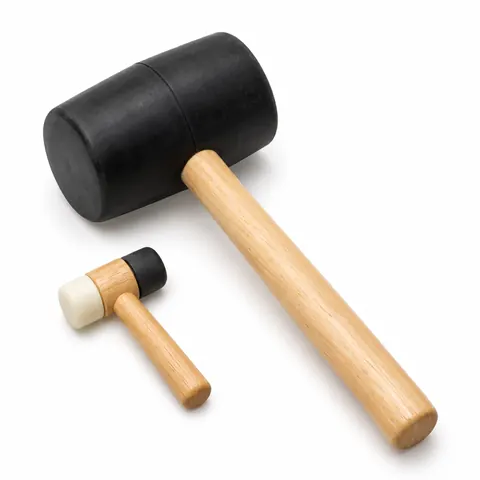
Rubber Mallet for Caning and Upholstery, Mini, 8 oz or 16 oz
Small rubber-headed mallet for tapping reed spline into the groove and driving caning wedges without marking the wood. Mini, 8 oz or 16 oz.
From $7.99 · 3 options
-
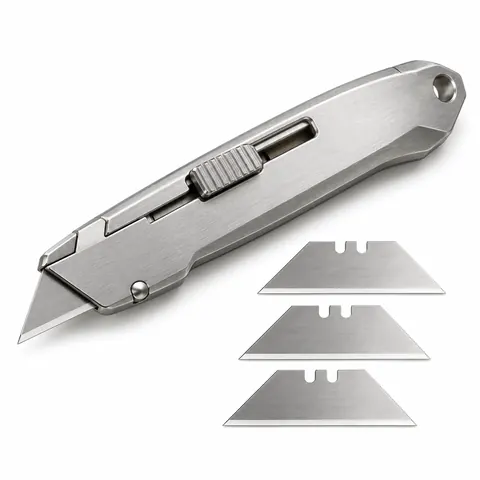
Utility Knife for Cane and Upholstery, 18 mm or 9 mm Snap-Off
Retractable utility knife for trimming pressed cane at the groove and cutting webbing, foam, batting and fabric. 18 mm metal or 9 mm snap-off.
From $5.99 · 2 options
-
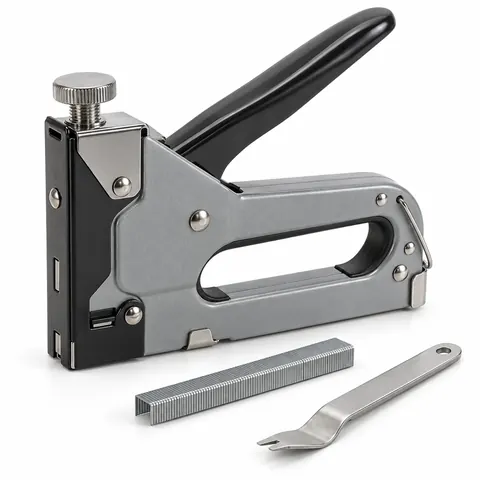
Upholstery Staple Gun Kit, Manual, with T50-Type Staples and Remover
Manual heavy-duty staple gun with about 3,000 T50-type staples and a staple remover, for cane on cabinet doors, seat webbing, fabric and dust covers.
$16.99
-
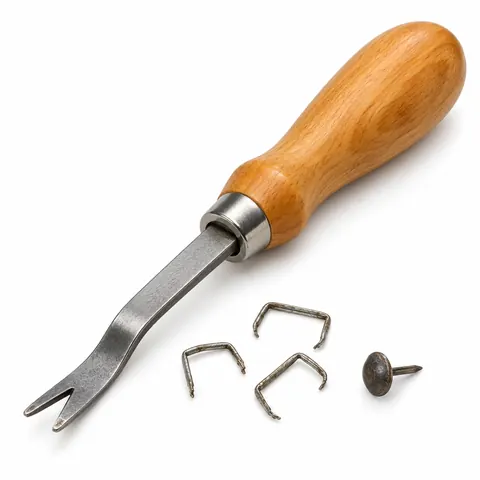
Upholstery Staple Remover and Tack Lifter, Single or 5-Piece Set
Flat notched lifter that slides under old staples and tacks and levers them out without splitting the wood. Single tool or a 5-piece set with pliers.
From $6.99 · 2 options
-
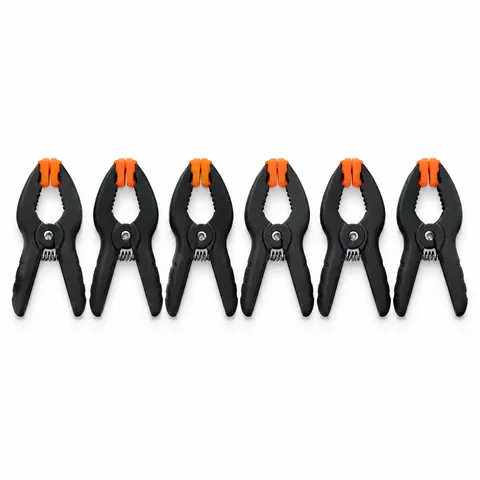
Spring Clamps for Caning and Weaving, 3.5 in Plastic or 6 in Metal
Spring clamps with padded tips hold cane, reed, cord and webbing while you weave, and small glue-ups while they set. 3.5 in plastic or 6 in metal.
From $7.99 · 3 options
-
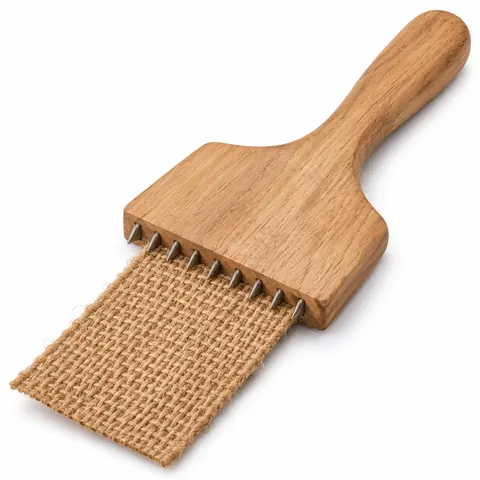
Webbing Stretcher for Jute Upholstery Webbing, Hardwood
Hardwood paddle with short spikes that grips jute webbing and levers it tight against the frame, so you can tack or staple a firm, even seat base.
$13.99
Questions
How do I get old spline out without damaging the groove?
Soften the old glue first with warm water or vinegar, then work a caning chisel along the groove to lift the spline. Use a blade the width of the groove or one size smaller so you do not widen it.
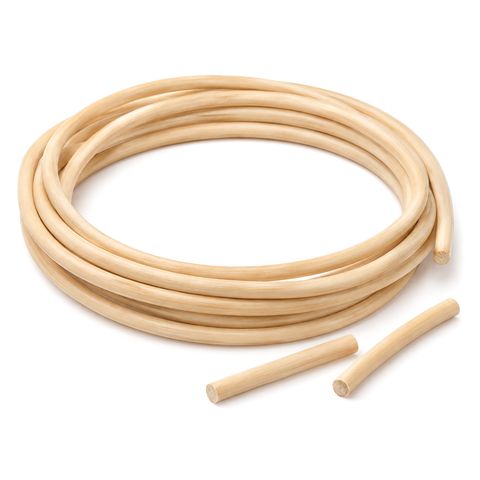 Reed Spline for Chair Caning
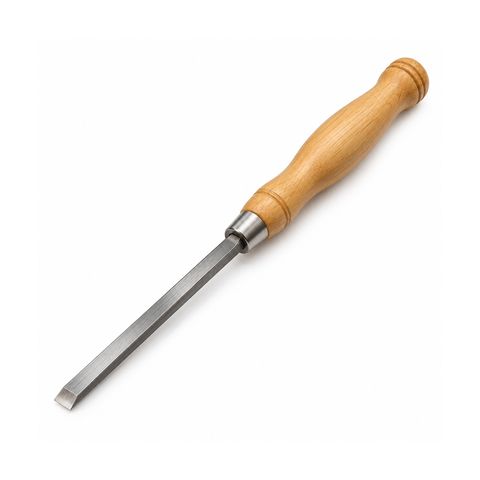 Caning Chisel for Removing Old Spline
 Wood Glue for Caning
Can I use a screwdriver instead of a caning chisel?
What glue should I use for caning?
Do I need a router bit to re-cane a chair?
No. A chair that already has a groove only needs cleaning out. The bit is for building a new frame, such as a cabinet door or panel, that you want to press cane into.
 Straight Router Bit for Spline Grooves