Questions and answers
About materials, measuring, installing, panels and care. Shipping and return terms are on their own pages once published.
How do I know which material my chair needs?
Look at the seat frame. A groove routed around the opening takes pressed cane webbing held in with reed spline. A row of small drilled holes takes strand cane woven by hand. Bare rails with no groove and no holes take a woven seat of fiber rush, Danish cord or seagrass. Use the material the chair was built for.
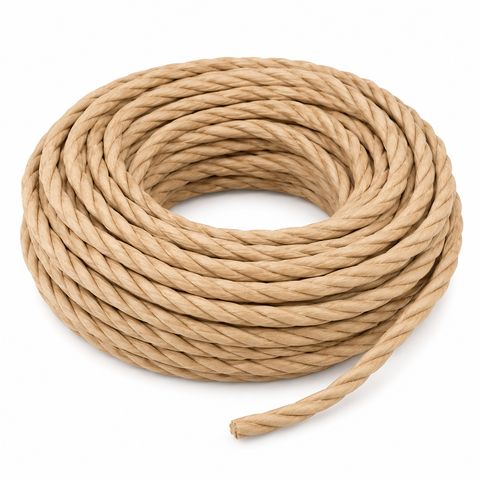 Laced Danish Cord
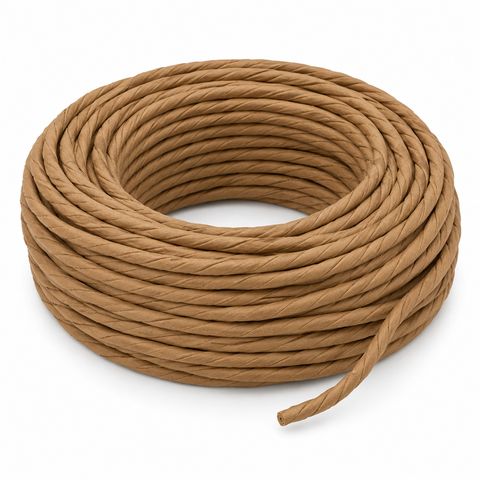 Fiber Rush
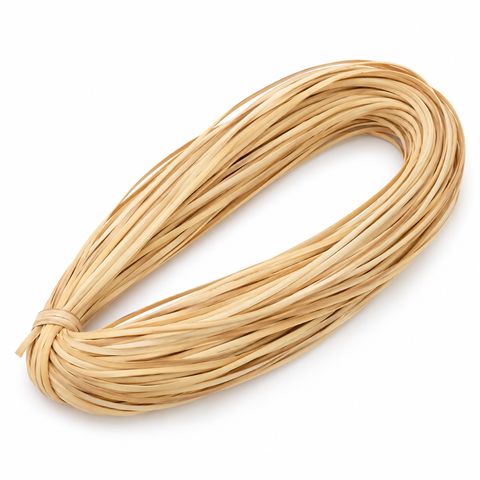 Strand Chair Cane
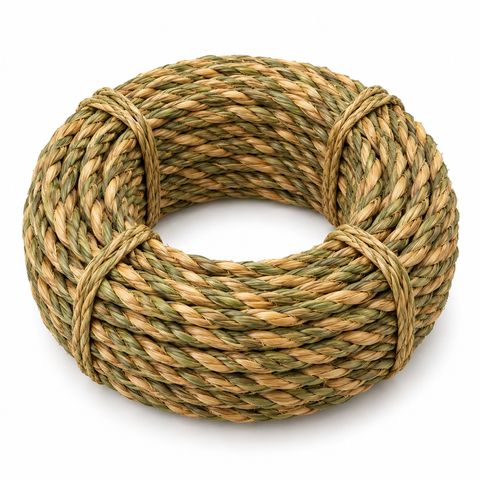 Twisted Seagrass Cord
What is the difference between cane webbing and strand cane?
Both are natural rattan cane. Cane webbing is woven by machine into a sheet that you press into a groove or staple behind a frame, so the weaving is already done. Strand cane comes as single strands that you weave yourself through the holes of the seat; it takes longer, but it is the traditional method for chairs with holes.
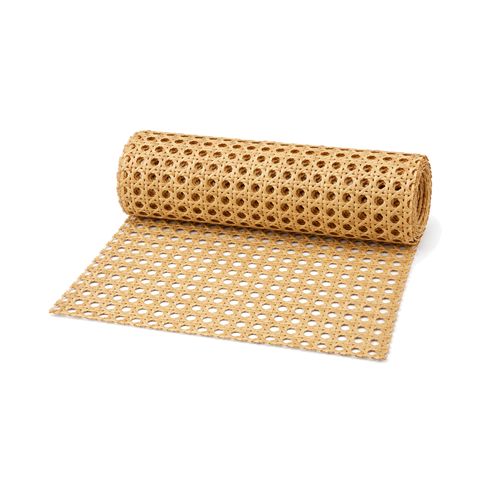 Cane Webbing Roll
I am refacing cabinet doors with cane. What should I buy?
Most cabinet doors are caned by opening up the center of the door and gluing and stapling cane to the back of the frame. You can cut the cane from a roll of webbing, buy precut cabinet door inserts in matching pairs, order a made-to-size sheet, or replace the insert with a made-to-size framed panel. Choose herringbone if the contents should stay hidden, and PE cane for bathrooms and outdoor cabinets.
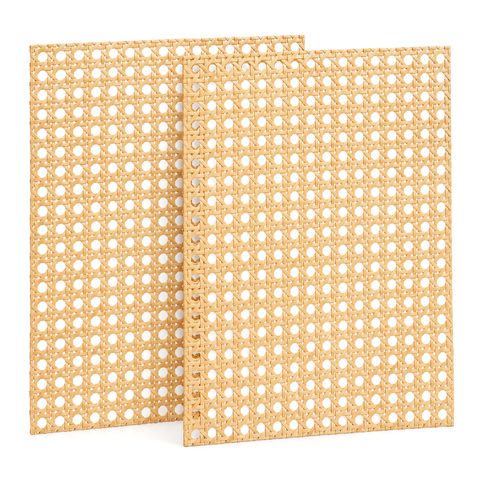 Cane Inserts for Cabinet Doors
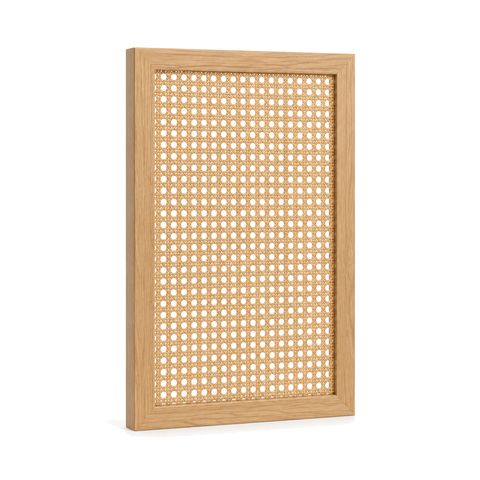 Framed Cane Panel Made to Your Size
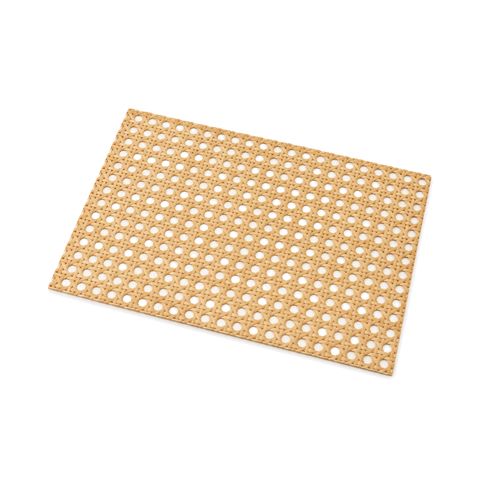 Cane Webbing Sheet Cut to Your Size
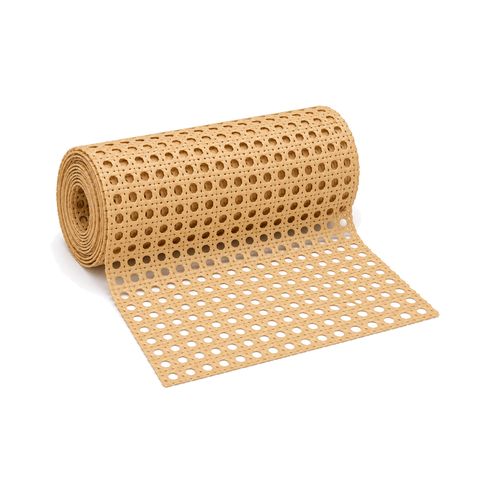 Plastic Cane Webbing (PE)
How do I measure for cane webbing?
For a chair seat, measure the opening from groove to groove at its widest and deepest points, then add at least 2 in each way. For a cabinet door or other frame, measure the opening and add at least 1 in on every side for stapling. Our roll picker helps you choose a roll from those numbers.
How do I find the right spline size, and how much do I need?
Measure the width of the groove with a drill bit shank or calipers. #7 fits a 1/8 in groove, #8 fits 3/16 in, #9 fits 1/4 in and #10 fits 5/16 in, with half sizes between; #6.5 is for narrower grooves and #11 for wider ones. For length, measure the groove all the way around and add 6 in. A 6 ft coil does one average seat.
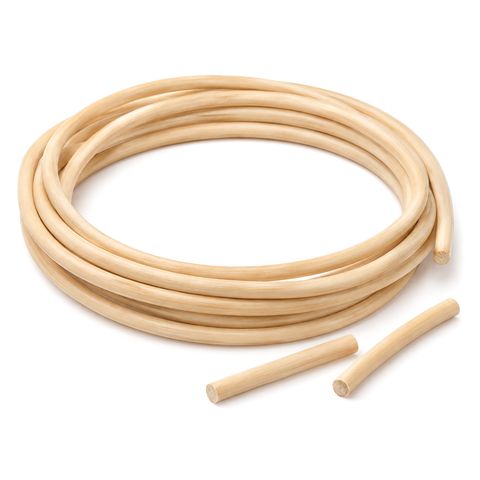 Reed Spline for Chair Caning
How do I choose a strand cane size for hand caning?
Measure the diameter of the holes and the distance between hole centers, then compare them with the chart in our hand caning guide. Finer cane goes with small, close holes and wider cane with larger, more widely spaced holes. If you have a piece of the old cane, match it, or test a strand in your holes before you start.
Do I need to soak the material before I use it?
Natural materials, yes. Soak cane webbing in warm water for about 30 minutes, strand cane and reed spline for 10 to 15 minutes, and round reed for 5 to 10 minutes. PE cane, PE wicker strip, Danish cord, fiber rush and seagrass are woven dry, and the paper cords should never be soaked.
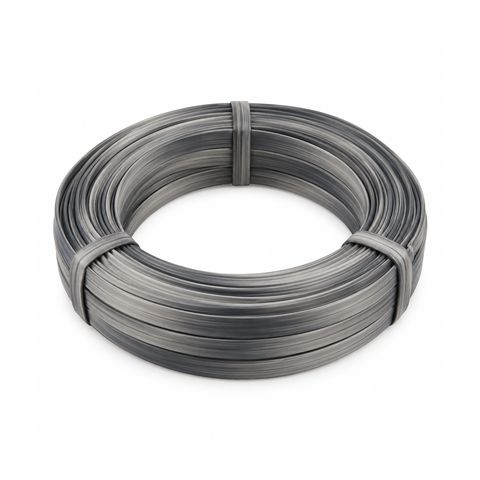 PE Wicker Repair Strip
Which side of the cane faces up?
The shiny side. Rattan cane has a glossy face and a duller back. On a seat the glossy side faces up, and on a door it faces out into the room.
My new cane seat looks a little slack. Is that normal?
Yes, while it is still damp. Natural cane tightens as it dries, so let the seat dry completely before you judge it or sit on it. PE cane does not shrink this way, which is why it should be pulled taut as you install it.
Should I choose natural cane or synthetic PE cane?
Choose natural rattan cane for indoor furniture and restorations: it has the gloss and color variation of real cane and tightens as it dries. Choose PE where the piece will get wet or stay damp, such as patios, bathrooms, boats and RVs. PE needs no soaking and does not crack when bent dry, but it looks slightly more uniform and less glossy.
Can natural cane go outdoors or in a bathroom?
It is not a good fit anywhere it will be rained on or stay damp. Natural cane is a plant material, and constant moisture weakens it. For outdoor furniture, bathroom vanities and boats, PE cane webbing is the better choice.
How do made-to-size cane panels work?
Enter the width and height you need, from 6 to 48 in wide and 6 to 72 in tall in 1/4 in steps, then choose the frame finish (oak, walnut-tone, black or white) and the weave (open, square or herringbone). The price is calculated from the size, frame and weave, and the price shown is the price at checkout. Measure the opening the panel has to fill, not the outside of the door.
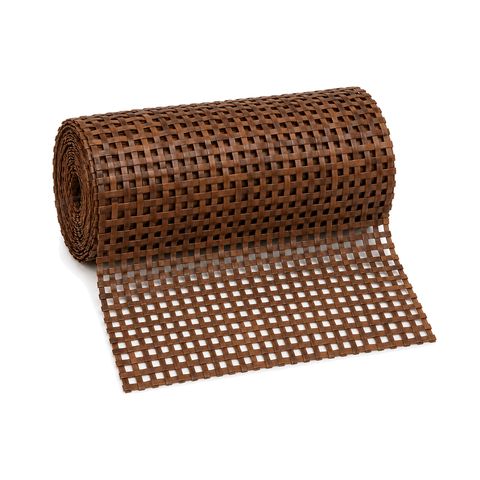 Walnut Square Cane Webbing
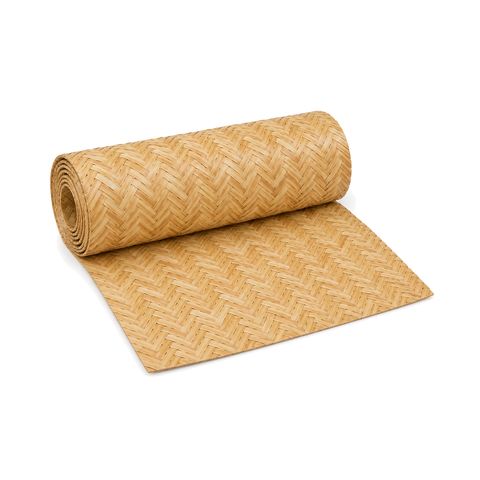 Herringbone Cane Webbing
What is the drawing you email before cutting a panel?
After you order a made-to-size panel, we email you a drawing with the final dimensions. Check it against your opening and reply to approve it. If something is not right, tell us before you approve; we do not cut until the drawing is approved.
Do you take trade and bulk orders?
Yes. The store carries larger sizes for shops and multi-chair projects: 50 and 100 ft cane webbing rolls, 65 ft spline coils, 1000 ft strand cane hanks and a 10 lb fiber rush reel. For other widths or weaves, repeat orders, framed panels larger than 48 x 72 in or more than 10 panels, send us the trade form and we will reply with a quote.
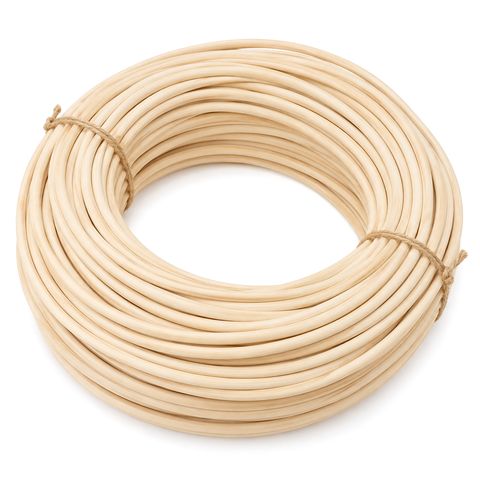 Reed Spline Bulk Coil
How do I clean and look after cane furniture?
Dust it, and now and then wipe it with a cloth dampened in plain water. Keep natural cane away from radiators, heat vents and strong sun all day, which dry it out and make it brittle. Danish cord and fiber rush are paper, so wipe them with a barely damp cloth and dry spills quickly; a sealed rush seat handles wear better.
Can a sagging cane seat be tightened again?
Often, if the cane is not broken. Wet the underside of the seat with a damp sponge or cloth, keeping water off the wood finish as much as you can, and let it dry slowly away from heat. Natural cane shrinks as it dries and usually pulls tight again. A seat with broken strands or a tear needs new cane.