Every roll is measured before it shipsMade-to-size cane panels, cut to the 1/4 in

Shop by project

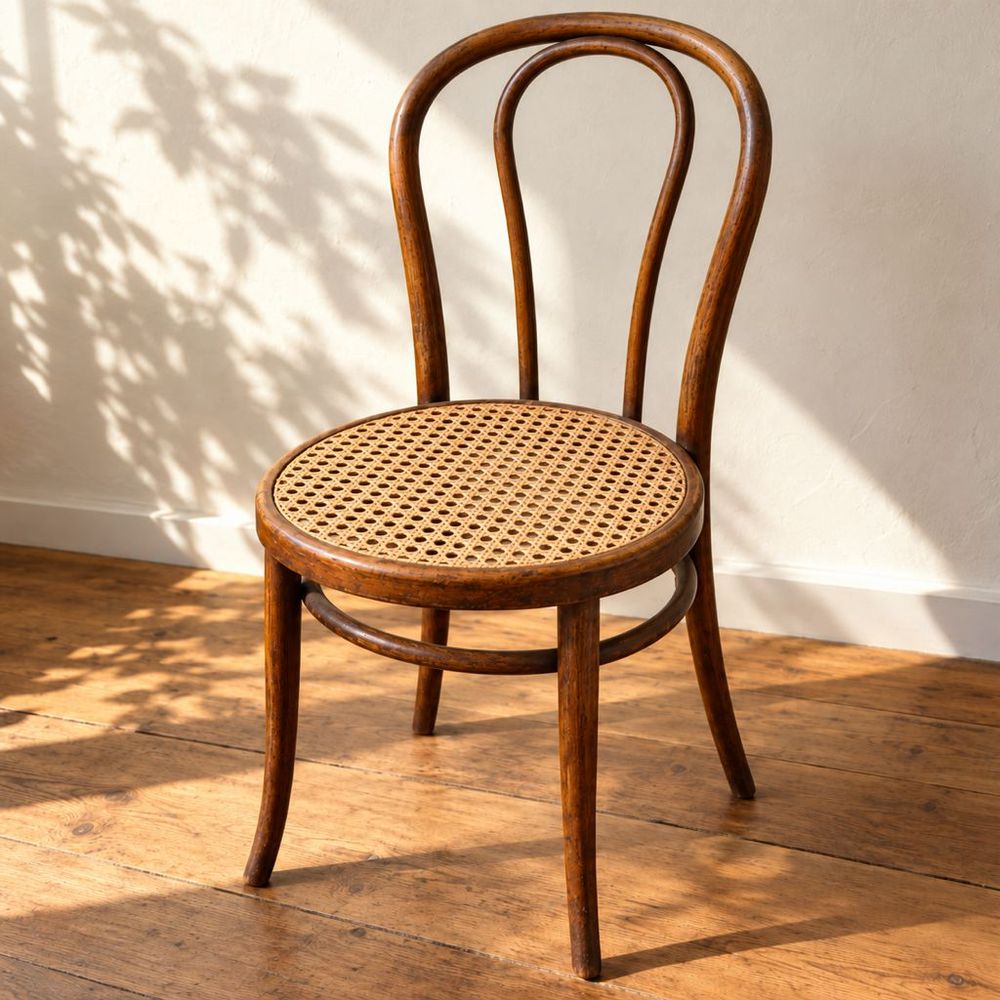
Hand-cane a chair seat

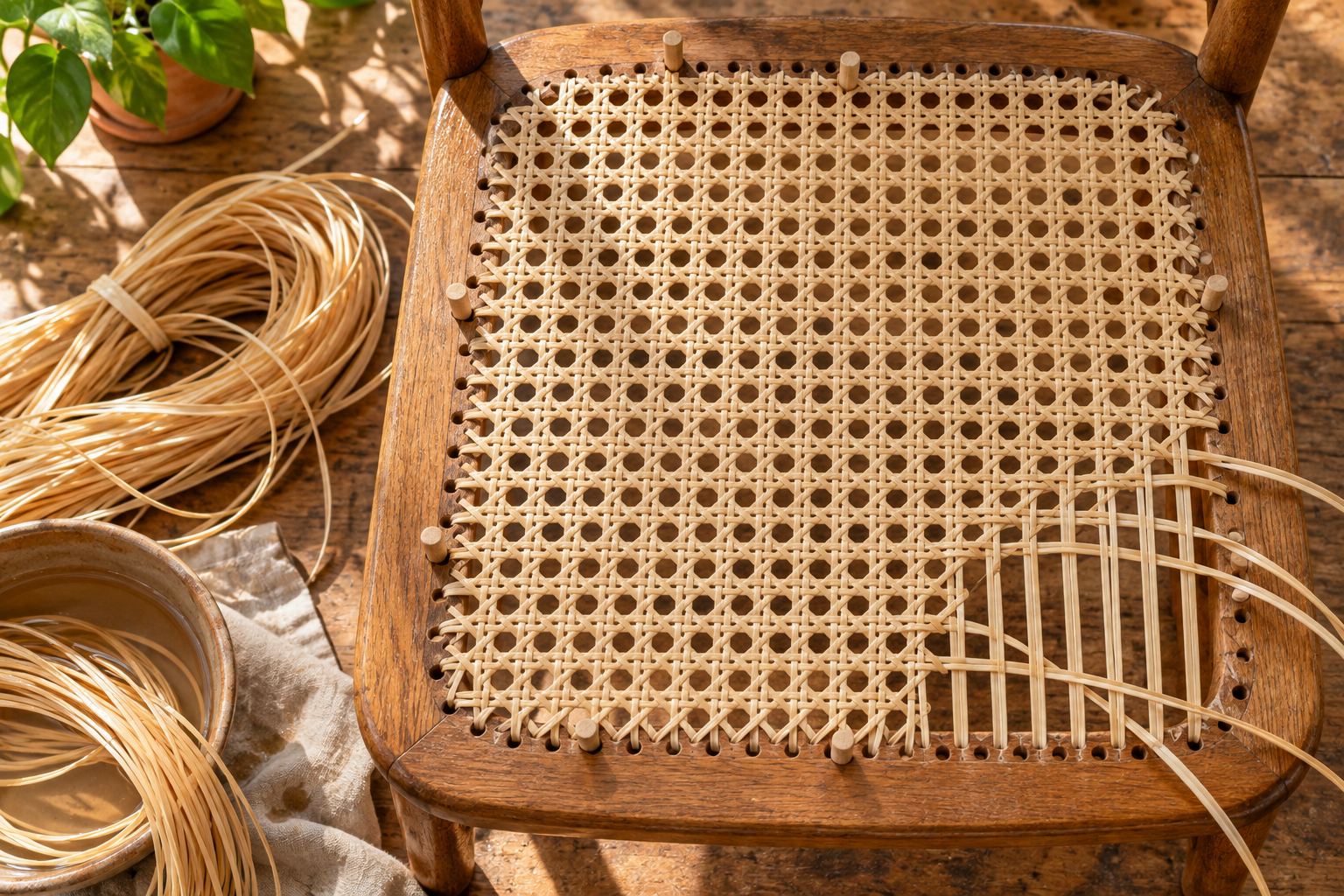
Chairs with holes drilled around the seat are caned by hand, strand by strand, in the classic seven-step pattern. It is slow, calm work, and the result lasts for decades.

Time
Several sessions for a first seat
Level
Patient beginner

What you needHand caning a chair seat

What you need

Everything in one box

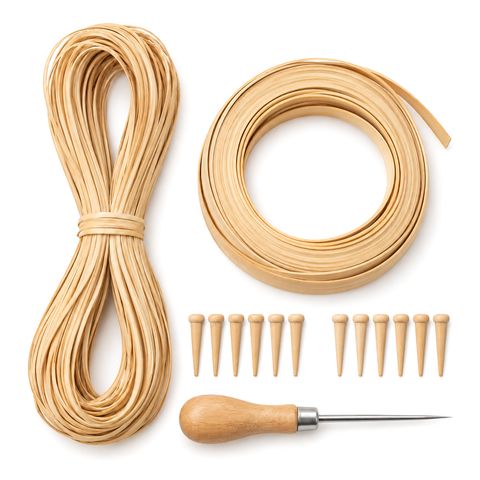
Hand Caning Kit for Hole-to-Hole Chair Seats, 270 ft Strand CaneThis kit has the main materials and tools for this project.
View the kit →

Untick what you already have. Options shown are the most common; change them on the product page or in the cart.

Materials
Strand Chair Cane, 270 ft Hank with Binder, 2 mm to 3.5 mmNatural strand chair cane for hand caning a seat through drilled holes: a 270 ft hank, about one seat, with 4 mm binder. Six sizes, 2 to 3.5 mm.
Binder Cane, 500 ft Hank, 4, 5 or 6 mm WideWide, flat natural binder cane in 500 ft hanks, 4, 5 or 6 mm, to finish the edge of hand-caned seats, wrap joints and handles, and lash basket rims.
Tools
Caning Pegs for Hand Caning, Tapered Wood, 12 or 50 PackTapered wooden pegs that hold strand cane tight in the holes while you hand-cane a seat, and later plug holes under the binder; packs of 12 or 50.
Utility Knife for Cane and Upholstery, 18 mm or 9 mm Snap-OffRetractable utility knife for trimming pressed cane at the groove and cutting webbing, foam, batting and fabric. 18 mm metal or 9 mm snap-off.
Optional
Strand Chair Cane, 1000 ft Hank for 3 to 4 Seats, 2 mm to 3.5 mmA 1000 ft hank of natural strand chair cane with four strands of 4 mm binder, enough for about three to four hand-caned seats. Six sizes, 2 to 3.5 mm.
Chair Cane by the Pound, Narrow Common 3.25 mm, 1 lb CoilA 1 lb coil of natural strand chair cane in the narrow common size, 3.25 mm wide, sold by weight for restorers who cane larger seats and chair backs.

How it is done

  1. Measure the hole size and the distance between holes to choose the strand width.
  2. Soak a few strands at a time and keep them damp while you work.
  3. Weave the first two steps front to back and side to side, pegging as you go.
  4. Add the second layers, then the two diagonals that lock the weave.
  5. Finish the edge with binder cane over the holes.

Tip: Hole spacing decides the strand size. Measure center to center between holes before you order.

Full guides

Not sure what your chair needs?

Send a photo of the seat and underside. We answer every question.
Ask with a photo