Collections
Finishing and care: filler, stain, touch-up and wax for chair frames
A chair worth a new seat is usually worth a little care on the frame too. Here are the supplies for that last stage: filling, sanding, coloring and protecting the wood of cane and rush chairs. The stain and filler are water-based and the wax is solvent-free. Whatever you use, try it on a hidden spot or an offcut first.
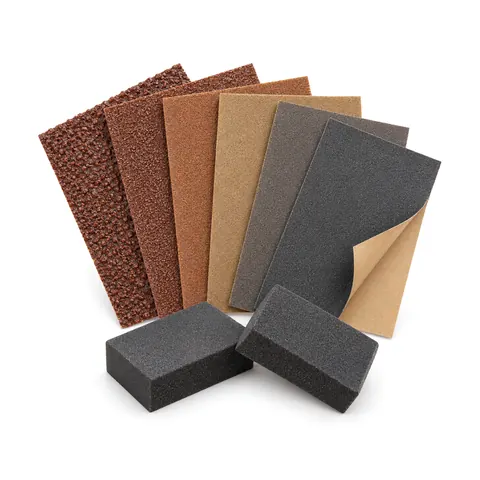
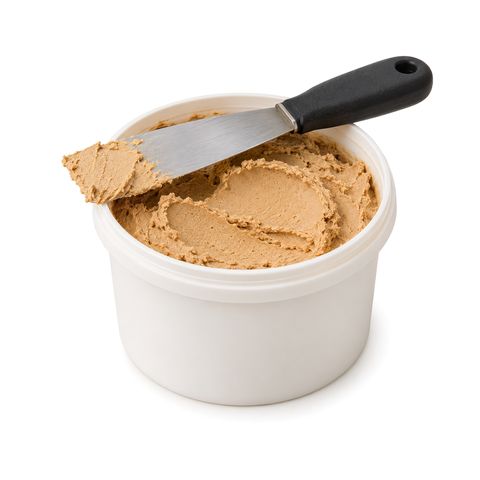
Work in this order. Start with repairs: wood filler closes old tack and staple holes, dents in the rails and small chips along a spline groove, then sands smooth and takes stain. It comes in natural, oak and walnut tones. Next, sand. The sandpaper assortment runs from coarse grit for stripping old finish to fine grit for the last pass before stain, and the detail kit's finger blocks reach rungs, spindles and groove edges. Keep the paper off the cane.
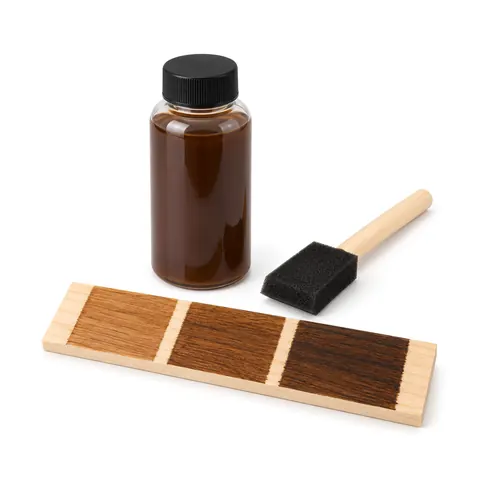
To change or even out the color, use water-based wood stain in five wood tones. It can also tone new natural cane to sit better next to an older frame, but the glossy skin of cane takes stain unevenly, so test on an offcut and work in thin coats.
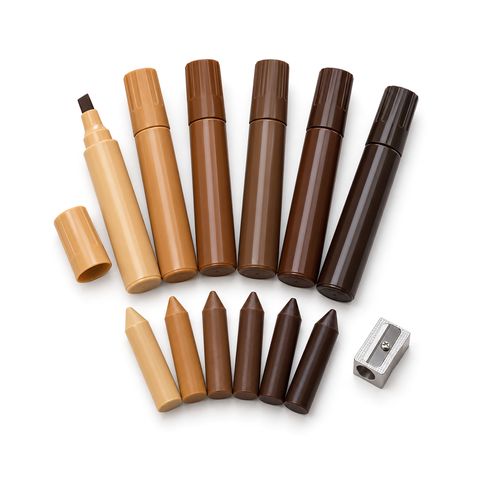
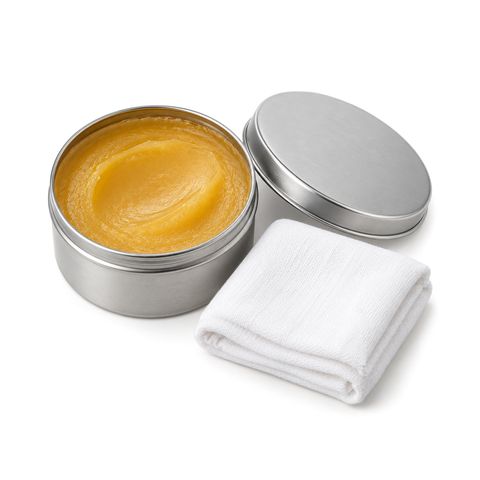
If the finish is sound and only scratched, skip the stripping: touch-up markers color scratches and worn edges, and soft wax sticks fill small chips and nail holes. Finish with beeswax and carnauba paste wax, rubbed on thin, left to haze and buffed. Wax always goes last, because filler and stain will not take over it. The clean and refinish project puts every step in order.
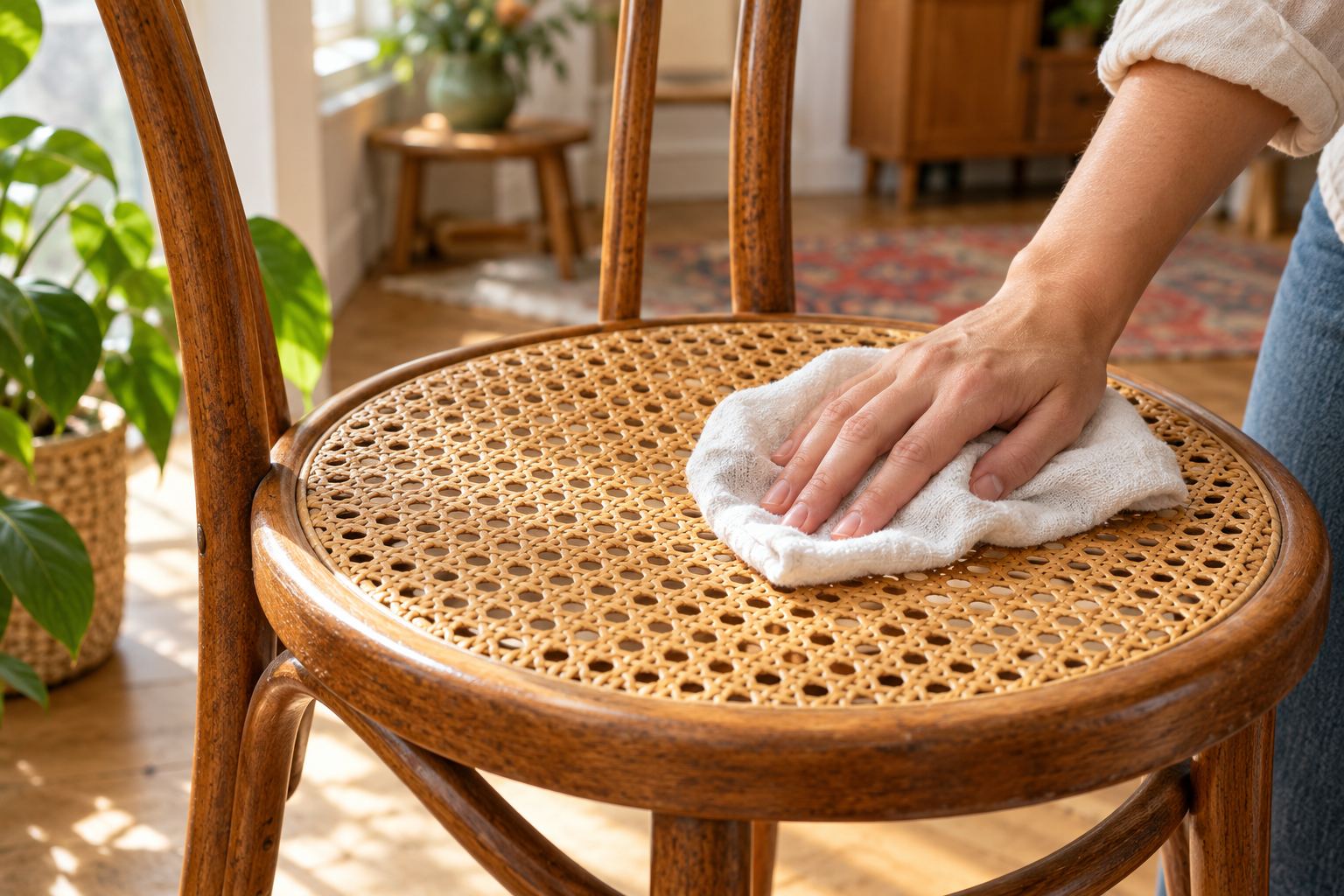
- Test every product on a hidden spot or an offcut first.
- Fill, then sand, then stain, then wax: wax always goes last.
- Stop at 180 to 220 grit before stain; save finer paper for between coats.
- Keep sandpaper, stain and wax off the cane unless you have tested them there.
- Color a scratch a shade lighter than the wood first; it is easier to go darker than to take color off.
-
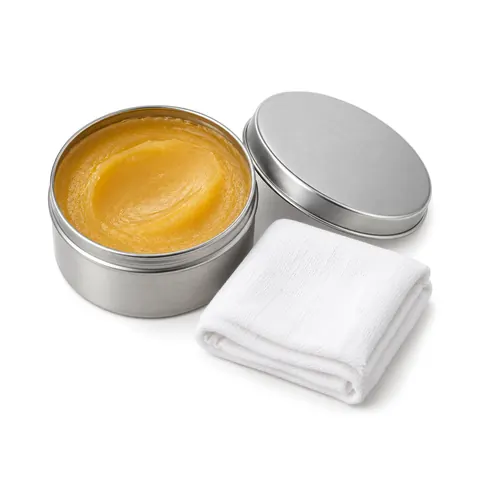
Furniture Paste Wax, Beeswax and Carnauba, 3.5 oz or 8 oz Tin
Solvent-free paste wax made with beeswax and carnauba, for protecting and polishing the wood frames of cane and rush chairs after cleaning or refinishing.
From $12.99 · 2 options
-
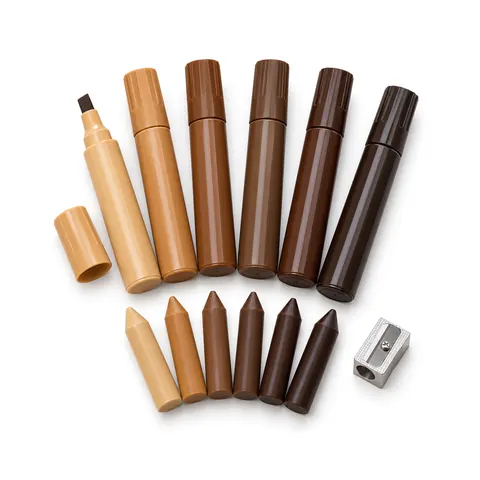
Furniture Touch-Up Markers and Wax Sticks, Light to Dark Wood
Wood-tone markers for scratches and worn edges, and soft wax sticks for small chips and nail holes, from light to dark, to tidy up a chair frame.
From $6.99 · 3 options
-
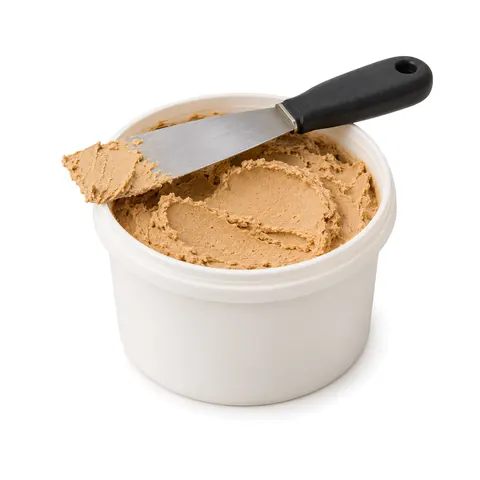
Water-Based Stainable Wood Filler, Natural, Oak or Walnut
Water-based wood filler that sands smooth and takes stain, for old tack and staple holes, dents in seat frames and small chips along a spline groove.
From $10.99 · 4 options
-
Water-Based Wood Stain for Chair Frames and Cane, 8.5 fl oz
Water-based wood stain in an 8.5 fl oz bottle, for refinishing chair frames and toning new natural cane to sit with an older frame. Five colors.
$9.99 · 5 options
-
Sandpaper Assortment for Wood, 60 to 400 Grit, Sheets or Detail Kit
Mixed-grit sandpaper for refinishing chair frames: coarse to strip old finish, medium to smooth, fine before stain and wax. Sheets or a detail kit.
From $9.99 · 3 options
Questions
Can I stain natural cane?
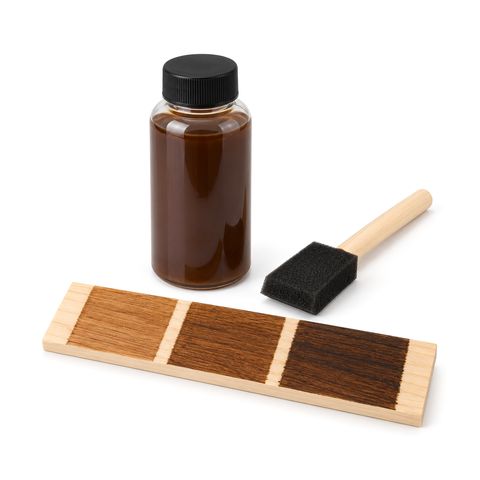
You can tone it, but test on an offcut first. The glossy skin of natural cane takes stain unevenly, so apply thin coats, wipe off the excess and let a newly installed seat dry completely before you start.
 Water-Based Wood Stain for Chair Frames and Cane
Do I need to strip the whole frame?
Not always. If the finish is sound and only scratched, clean it, touch up the marks with markers and wax sticks, and wax it. Strip and stain only when you want to change the color or the old finish is failing.
 Furniture Touch-Up Markers and Wax Sticks
 Furniture Paste Wax
In what order do I use these?
Repairs and wood filler first, then sanding, then stain, then paste wax. Nothing sticks well over wax, so it always goes on last.
 Water-Based Stainable Wood Filler
Should I use wood filler or wax sticks?
Wood filler for bare wood you are going to sand and stain, since it sands smooth and takes stain. Wax sticks for small holes and chips in a finish you are keeping; they stay soft and cannot be sanded or stained.