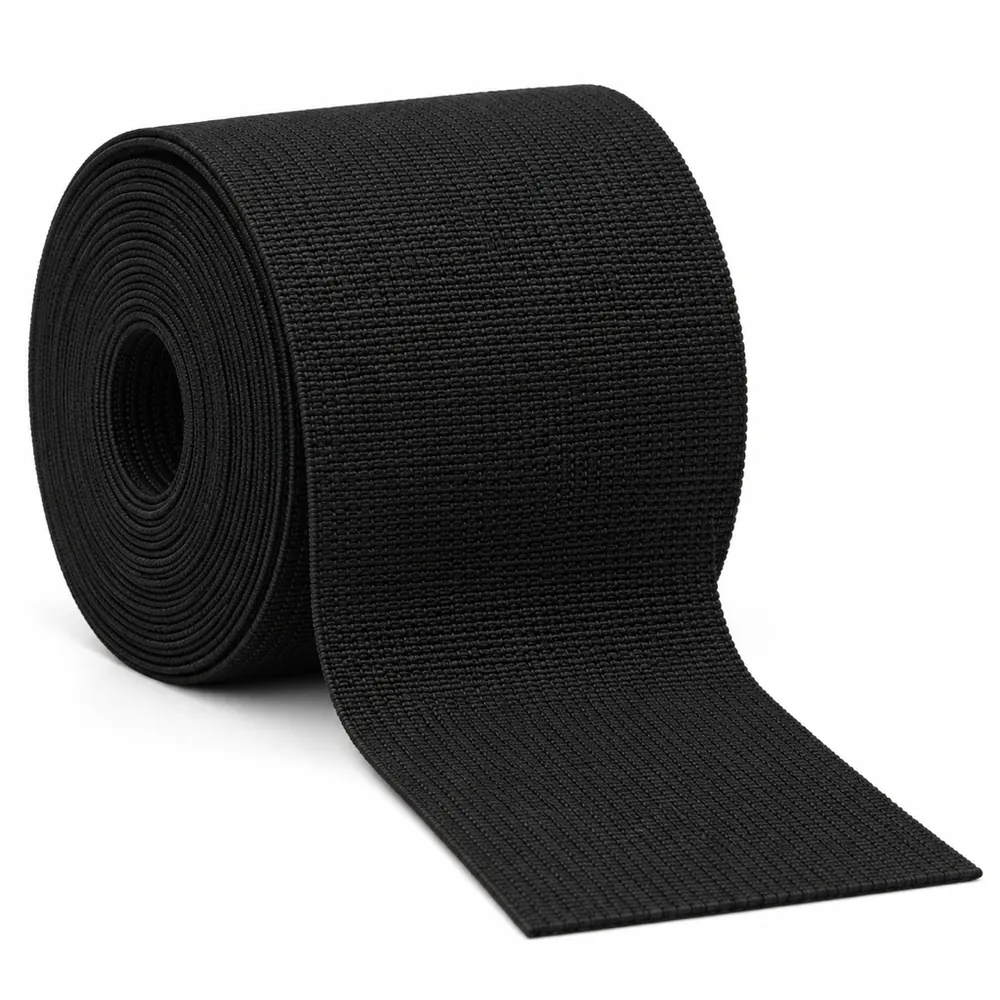
Photos illustrate the product type.
Chair Seat Repair & Upholstery
Elastic Chair Webbing, 2 in Wide, Black, 32, 40 or 160 ft Roll
Black rubber-latex elastic webbing, 2 in wide, for the springy support under seat cushions on chairs and sofas. Rolls of 32, 40 or 160 ft.
Elastic webbing is the springy support under the seat cushion on many mid-century chairs, Danish lounge chairs, dining chairs and sofas. When the old straps go slack or brittle, the cushion sinks into the frame. This black rubber-latex webbing is 2 in wide and replaces them strap for strap.
Before you take the old straps off, photograph the frame from underneath. Count the straps, note which way they run, and see how they are fixed: metal clips set into a slot in the frame, or tacks into the rail. The new straps go back the same way.
Fitting it:
- Measure the span each strap covers, from fixing point to fixing point.
- Stretch each strap about 5 to 10 percent. In practice that means cutting it 5 to 10 percent shorter than the span, then adding what the clip or tack needs at each end.
- Fix one end, pull the strap to length and fix the other. Keep every strap that runs the same way at the same tension.
- If the old straps were woven in both directions, weave the new ones over and under in the same pattern.
Too little stretch and the seat sags as soon as someone sits down. Much more than that puts extra strain on the frame and the fixings.
Reuse the old clips if they are clean and not bent, or fit new ones. Cut the webbing square across with sharp scissors so each strap sits flat in its clip.
The roll comes in 32, 40 and 160 ft; the long roll suits sofas, sets of chairs and workshop use.
How to choose
Work out how much you need from the frame. Count the straps, measure the span of each one, take off 5 to 10 percent for stretch and add what each end needs for its clip or tack. Add the straps together and allow a strap or two extra for mistakes.
For example, six straps across an 18 in frame, each cut to about 17 in, use about 8.5 ft before the fixings. A seat and a back, or straps in both directions, take more.
Once you have a total, pick the roll that covers it with some to spare. The 160 ft roll is for sofas, sets of chairs and workshops.
Questions
How tight should the straps be?
Stretch each one about 5 to 10 percent: cut it that much shorter than the gap it covers. The seat should feel firm with a little give, and not sag when you press it.
Do clips come with the webbing?
No, the roll is webbing only. Reuse the old clips if they are clean and not bent, or fix the straps with tacks, as the frame allows.
Which way do the straps run?
Copy the old layout. Many chairs have straps front to back only; others add straps side to side, woven through. Photograph the frame before you remove the old webbing.
Can I use it instead of jute webbing?
Only where the seat was designed for elastic, usually a modern frame with a loose or thin cushion. Traditional sprung and padded seats are built on jute webbing, which does not stretch.
Can I sit directly on the webbing?
It is made to carry a seat cushion, which spreads your weight across the straps. Without a cushion the straps take all the load at a few points.
You may also need
-
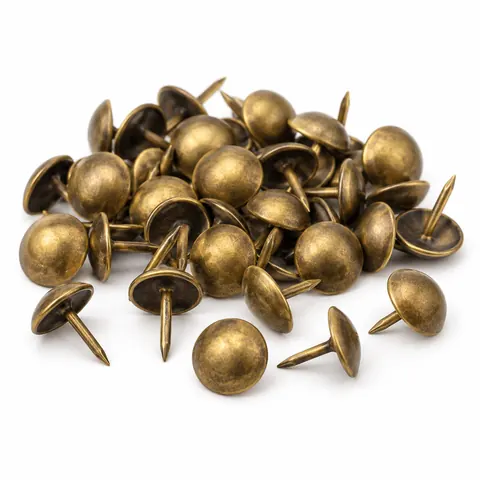
Upholstery Tacks, Antique Brass, 7/16 in Domed Head, 100 or 500
Round domed decorative tacks in an antique brass finish, 7/16 in head, for finishing rush, seagrass and upholstered seat edges and for nailhead trim.
From $6.99 · 2 options
-
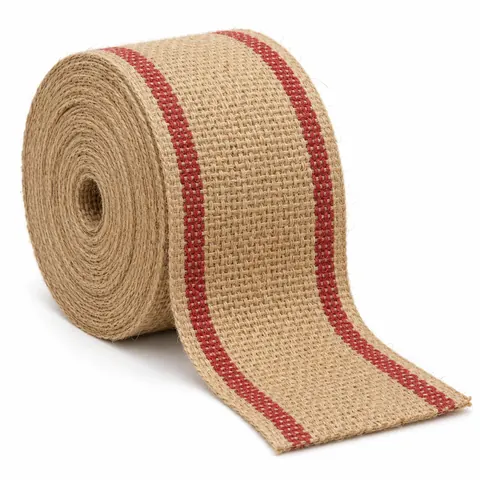
Jute Upholstery Webbing, 3.5 in Wide, 10 yd (30 ft) Roll
Natural woven jute webbing, 3.5 in wide on a 10 yd roll: the firm, traditional base woven across a seat frame under springs, padding or a drop-in seat.
$13.99
-
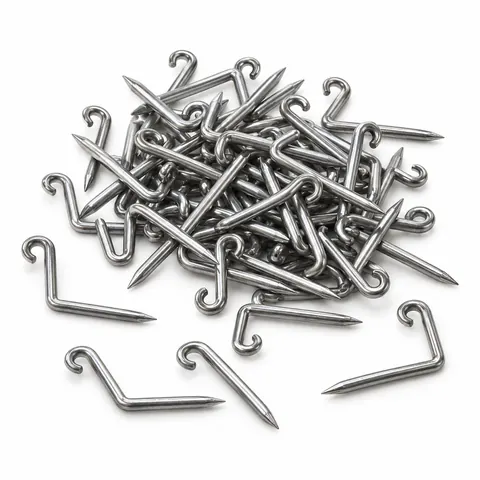
Danish Cord L-Nails, Steel, 13/16 in, Packs of 24 or 100
L-shaped 13/16 in steel nails that hold Danish cord warps on the inside of the seat rails. A typical seat uses 30 to 50; packs of 24 or 100.
From $9.99 · 2 options