Care
How to tighten a sagging cane seat, and when to replace it
Dampen the underside, let it dry slowly and natural cane shrinks tight again. Why seats sag, what not to do, and the signs a seat needs replacing.
Updated
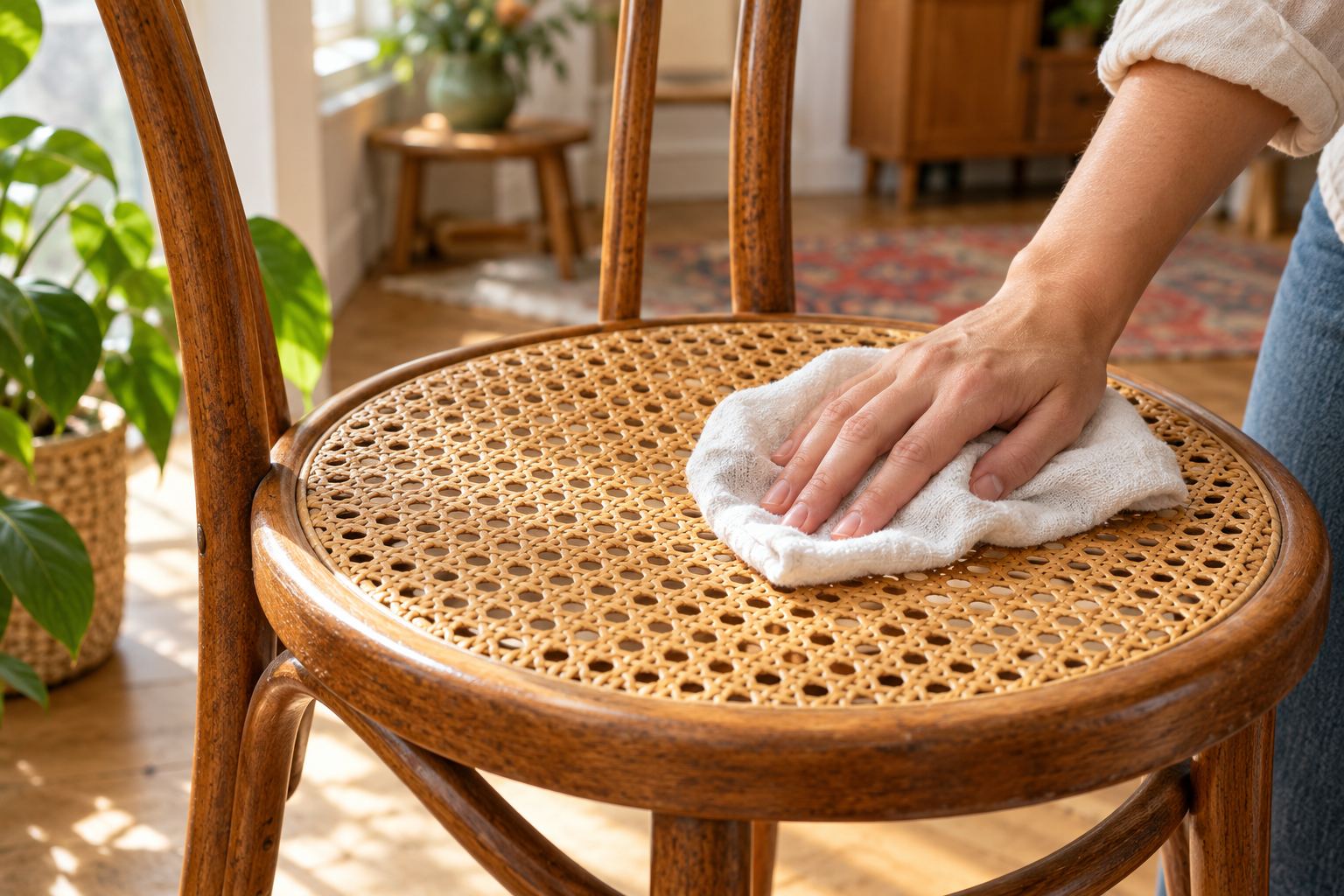
To tighten a sagging cane seat, turn the chair over, wet the underside of the cane with warm water, mist the top lightly and let it dry slowly overnight at room temperature. Natural cane swells a little when it is damp and shrinks as it dries, so a seat that has stretched often pulls tight again. It works on seats that are stretched, not broken, and only a few times over the life of the cane.
Everything you need to clean, tighten and refresh a cane piece is on the clean and refinish cane furniture project page.
Why cane seats sag
Cane is the glossy outer skin of the rattan palm, split into thin strands. It is strong for its weight, but it is a plant fiber, and it moves with moisture and load.
- Weight. Every time someone sits down, the strands stretch a little. Over years they stop springing all the way back.
- Dry air. Cane stays supple because it holds a little moisture. Next to a heat vent or a sunny window it dries out, loses its spring and turns brittle.
- Constant damp. The opposite also hurts. In a steamy bathroom or on a covered porch, natural cane stays soft and slack.
- Age. Old cane is simply less elastic than new cane.
Water helps because the fibers take it up, swell, and then shrink back as they dry. While they shrink, they pull the weave tight across the frame. That is the same thing that happens when a new seat is installed wet and tightens overnight.
Check the seat before you start
Turn the chair over and look closely. Water fixes stretch, not damage.
| What you see | What it means | What to do |
|---|---|---|
| Seat dips in the middle, every strand is whole | Stretched cane | Tighten it with water, as below |
| One or more broken strands, or a hole | Damaged cane | Water will not hold it; see how to patch a hole in a cane seat |
| Hard, shiny coat; a drop of water beads up on the underside | Sealed with varnish or lacquer | The water cannot get in, so tightening will not work |
| Spline lifting out of the groove in one spot | The glue let go there | Glue that stretch back down first (see below) |
| Strands crack or splinter when you press them | Brittle, worn-out cane | Replace the cane |
To test for a finish, put a few drops of water on the dull underside. If they soak in and darken the cane, you are fine. If they sit on top as beads, the cane is sealed.
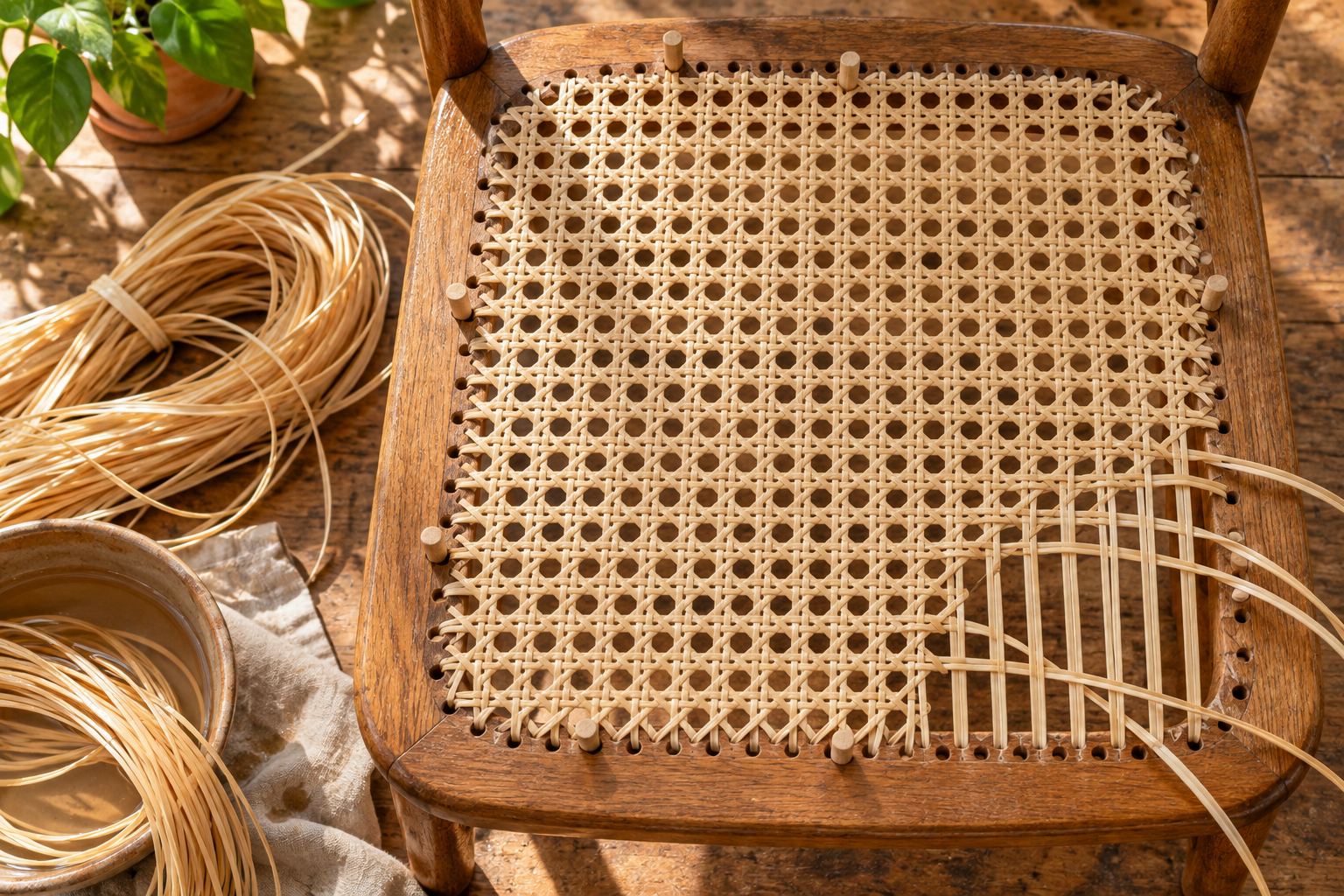
Pressed seats (one sheet held by spline in a groove) and hand-caned seats (strands woven through holes) tighten the same way.
What you need
- Warm water and a clean sponge, a spray bottle, or an old hand towel
- A couple of old bath towels for the floor and to wipe the frame
- A spot that stays at room temperature overnight, away from heat and sun
- Only if a stretch of spline is lifting: wood glue and a hardwood wedge
Step by step
- Dust the cane. Brush or vacuum the seat first, top and bottom, so you do not turn dust into mud in the holes of the weave.
- Turn the chair over onto a towel. The underside is the dull, unglazed side of the cane, and it takes up water more readily than the glossy top.
- Wet the underside. Sponge or spray warm water over all of the cane until it looks evenly dark, right out to the edges. You can also lay a warm, wet towel over it for a while. Keep the water on the cane: the common mistake is pouring it on, so it runs into the groove or holes and over the wood.
- Mist the top lightly. Turn the chair upright and give the top a light spray. It should look damp, not wet.
- Wipe the frame dry with a towel wherever water landed on the wood.
- Let it dry slowly overnight at room temperature. Leave it where air can reach both sides of the seat, out of direct sun and away from radiators, heat vents and fires.
- Check it the next day. Press the middle with your palm. A tightened seat feels firm and springs back. If it still feels cool or damp, give it more time.
- Wait until it is completely dry before anyone sits on it. Damp cane stretches, and one person sitting on it too early undoes the night’s work.
If the seat is better but not quite taut, you can repeat the process once. If two rounds do little, the cane has lost its spring.
If the spline is lifting in one spot
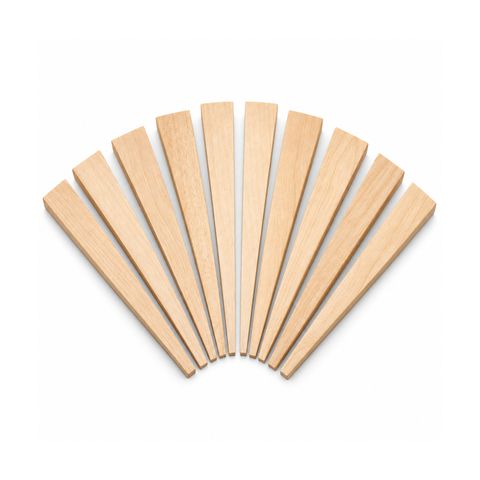
On a pressed seat, sometimes the cane is fine but a short stretch of spline has come loose, so the edge of the sheet goes slack. Fix that before you wet the cane. Work a little wood glue under the loose spline with the tip of the bottle, tap the spline back down with a hardwood wedge and a mallet, and wipe off any squeeze-out with a damp cloth right away. Let the glue dry before you tighten the cane. If the spline is loose all the way round, the seat needs to be redone.
What not to do
- Do not soak a seat that is glued in. On a pressed seat, the spline and cane edges are glued into the groove. Flooding the seat or setting the chair in a tub softens that glue and swells the wood around the groove, and the spline can lift. On any chair, water left on the frame can mark the finish and swell the joints. Dampen the cane; do not drown it.
- Do not speed it up with heat. No hair dryer, space heater or afternoon in the sun. Fast drying dries the surface first and leaves the cane brittle, and brittle cane cracks the first time someone sits down hard. Slow drying lets the whole seat shrink evenly.
- Do not sit on it damp. Wait for completely dry, every time.
- Do not brush on varnish to stiffen a slack seat. A hard finish makes cane brittle where it flexes and seals out the moisture you need for the next tightening. Our guide on staining or painting cane covers finishes that leave the underside open.
- Do not wet a sealed seat. The water stays on top and only marks the finish.
Keep it tight for longer
- Wipe the underside with a barely damp cloth now and then, more often in the heating season. Our cane furniture care and repair guide covers the routine.
- Keep caned pieces away from heat vents, radiators and all-day sun. A humidifier helps in a dry winter.
- Do not stand or kneel on a cane seat. A seat cushion spreads the weight on chairs that get daily use.
- Leave the underside unfinished so it can still take up water.
When it is time to replace the cane
Tightening is maintenance, not a repair. Replace the cane when:
- strands are broken or a hole has opened;
- the seat sags again within weeks of tightening;
- the cane cracks, splinters or feels papery when you press it;
- the cane is sealed under a hard finish and sagging;
- the spline is loose all the way round.
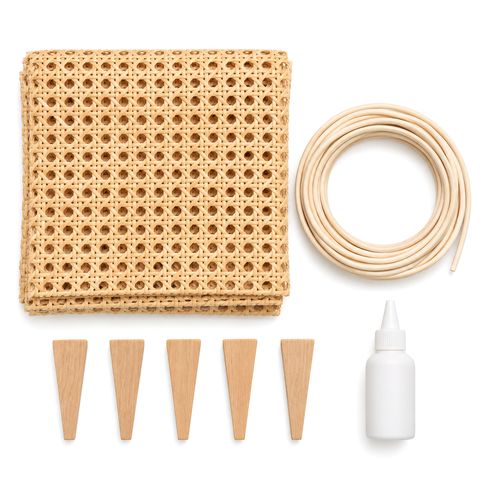
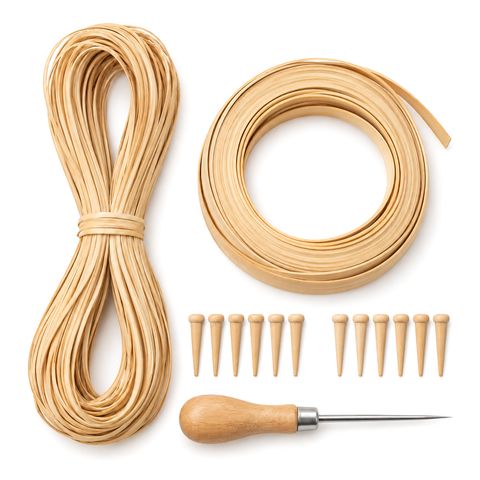
A pressed seat takes a new sheet of cane webbing, which is an afternoon’s work plus a night to dry. Start with how to remove old spline and cane, then follow how to replace a pressed cane seat. The chair seat caning kit has the cane, spline, wedges and glue. A seat woven through holes is re-caned by hand with strand cane; see hand caning a chair seat and the hand caning kit.
For the rest of the piece, the clean and refinish cane furniture project page lists what you need to clean the cane, glue loose joints and freshen the frame. When the cane is beyond saving, you will find complete sets in caning kits and wedges and chisels in caning tools.
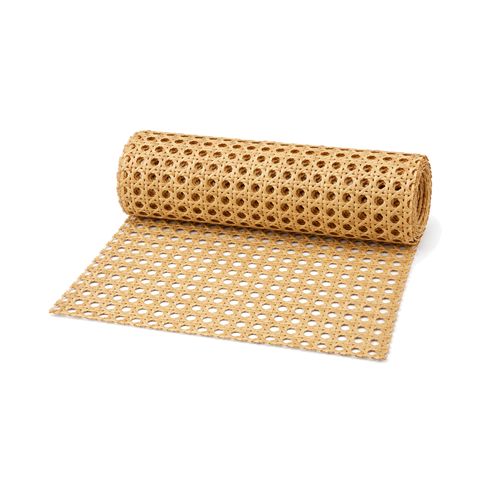 Cane Webbing Roll
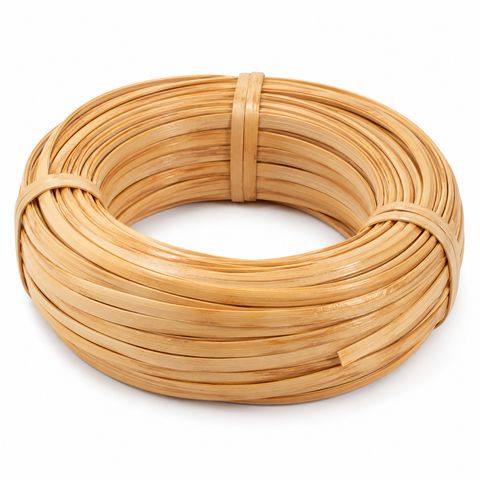 Binder Cane
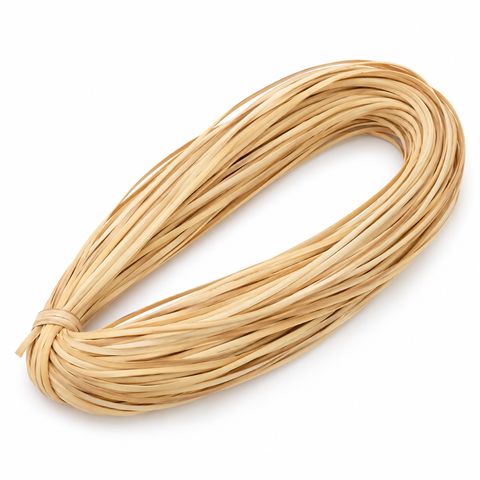 Strand Chair Cane
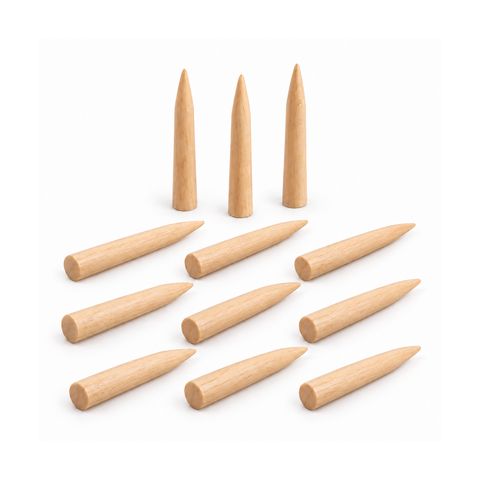 Caning Pegs for Hand Caning