Materials
How to soak cane and reed: times, water and what stays dry
What to soak and what to weave dry, how warm the water should be, soak times for cane webbing, strand cane, spline, binder and reed, plus avoiding mildew.
Updated
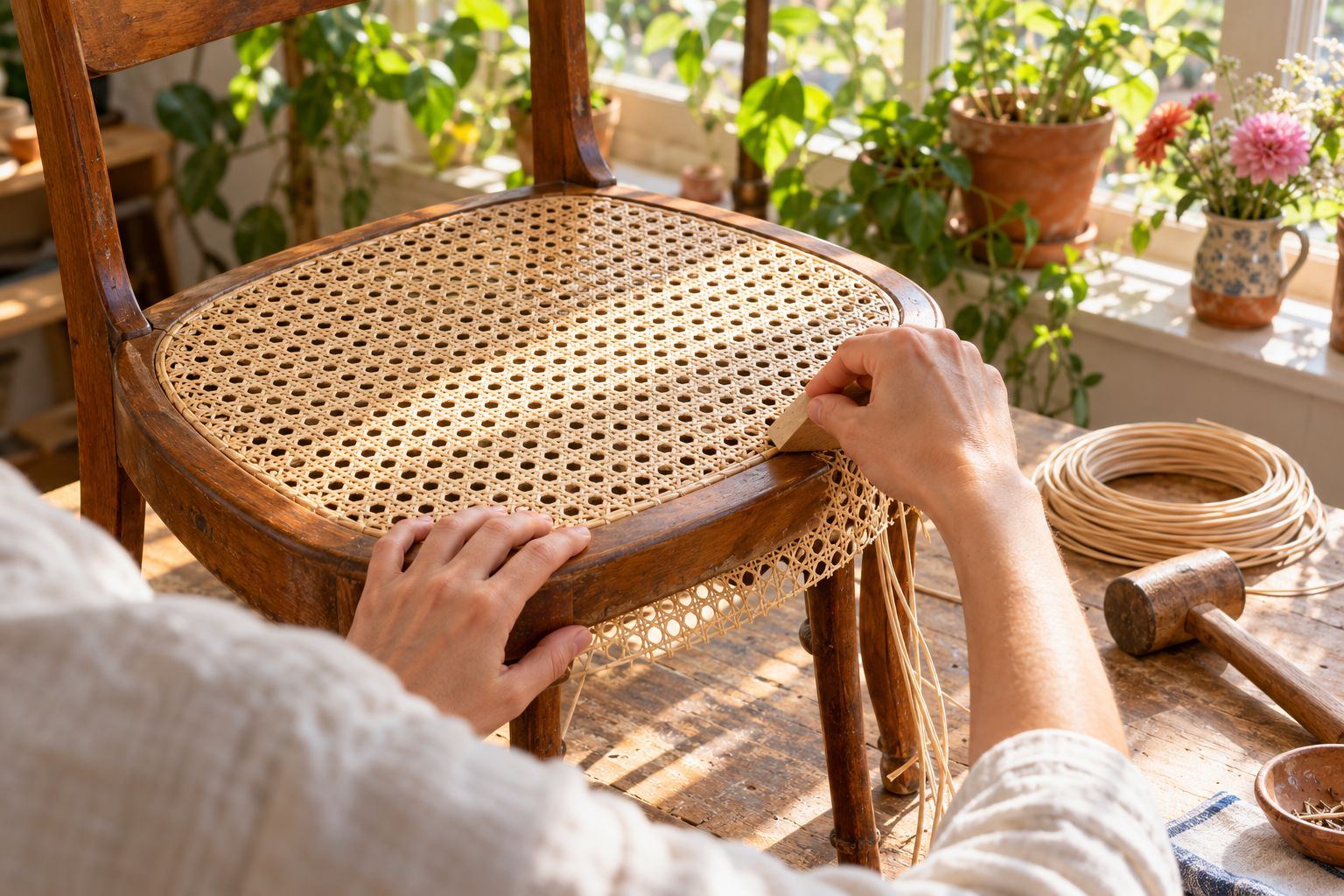
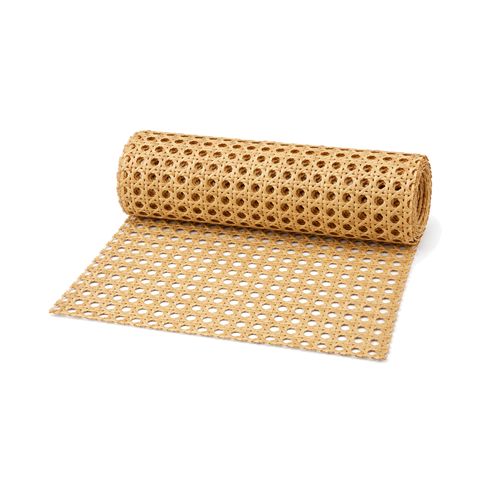
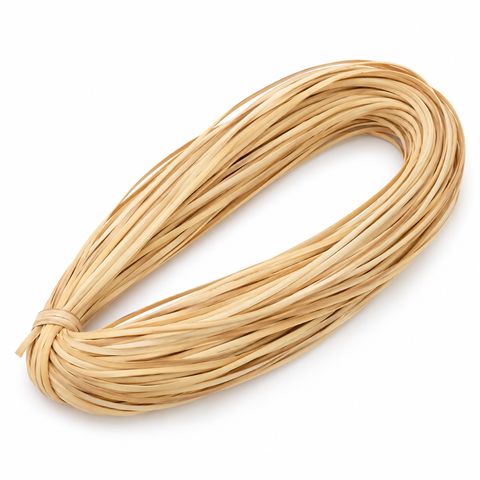
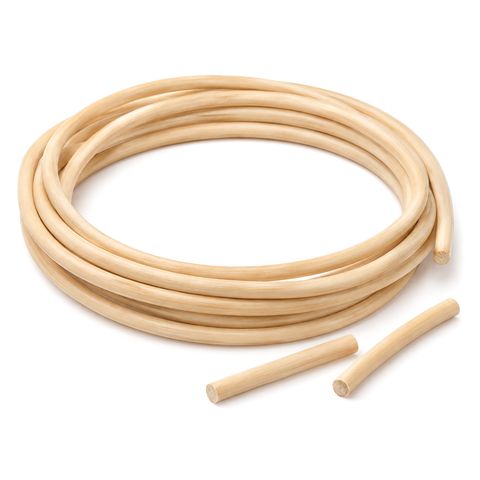
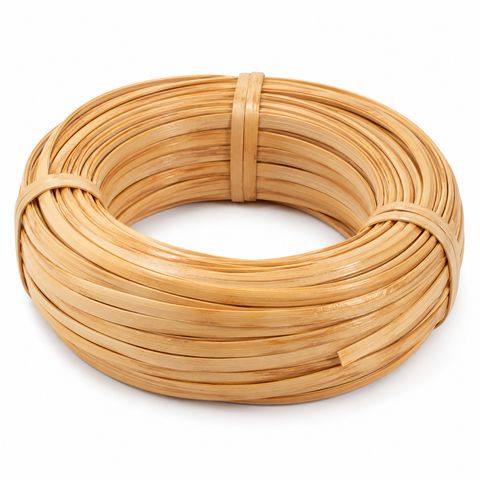
Natural rattan materials, which are cane webbing, strand cane, binder cane, reed spline and basket reed, are soaked in warm water before you bend them. Paper, grass and plastic materials are woven dry. Cane webbing takes about 30 minutes, strand cane and spline 10 to 15 minutes, binder 15 minutes and round reed 5 to 10 minutes. Soak only what you will use soon: soaking makes cane pliable, and it tightens as it dries.
The materials and tools for a full seat are on the replace a pressed cane seat and hand cane a chair seat project pages.
What you need
- The material: cane webbing, strand cane, reed spline, binder cane or round reed
- A tray, sink or bathtub big enough to hold the material flat or in a loose coil
- Warm water, a sponge and a spray bottle
- Old towels and a few clothespins
- Something clean to weigh webbing down, such as a plate or a jar of water
Soak or weave dry: the chart
| Material | Soak? | Time in warm water | Notes |
|---|---|---|---|
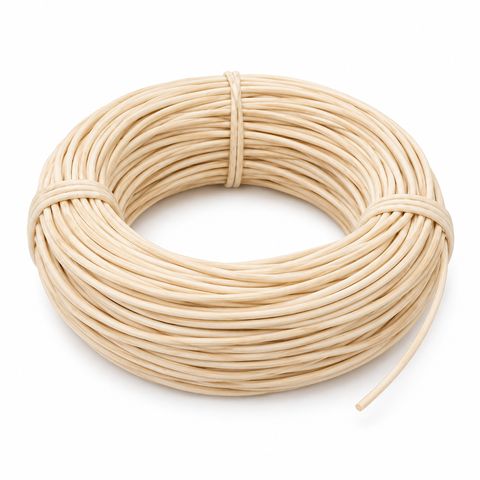
| Natural cane webbing | Yes | About 30 minutes | Weigh it down; it floats |
| Strand cane | Yes | 10 to 15 minutes | A few strands at a time |
| Binder cane | Yes | 15 minutes | Wider and stiffer; give it the full time |
| Reed spline | Yes | 10 to 15 minutes | Add it for the end of the webbing soak |
| Round reed, #2 to #6 | Yes | 5 to 10 minutes | Until it bends around a finger |
| Flat reed and flat oval reed | Yes | A few minutes | Weave the smooth side out |
| Rattan core, 4 or 5 mm | Yes | Longer than fine reed | Test a bend; soak more if it creaks |
| Bamboo weaving strips | Yes | A few minutes | Stiffer than reed; no tight bends |
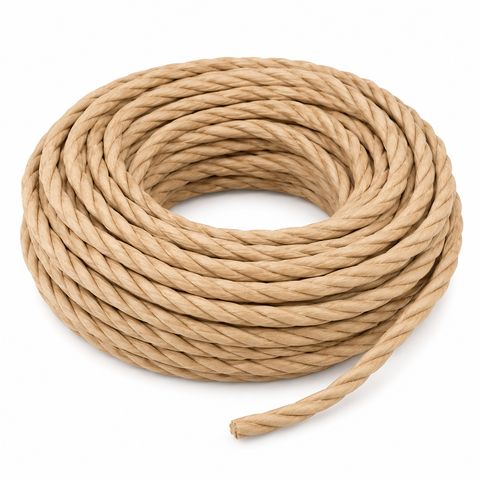
| Danish cord | No | Woven dry | Paper cord |
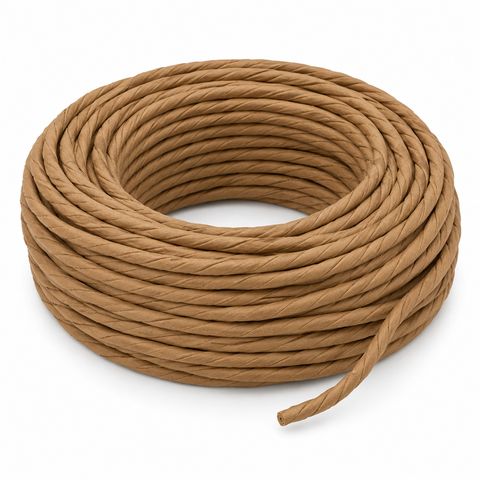
| Fiber rush | No | Woven dry | Paper; water loosens the twist |
| Seagrass | No | Woven dry | At most a light mist |
| Paper rattan strip, cotton rope | No | Worked dry | |
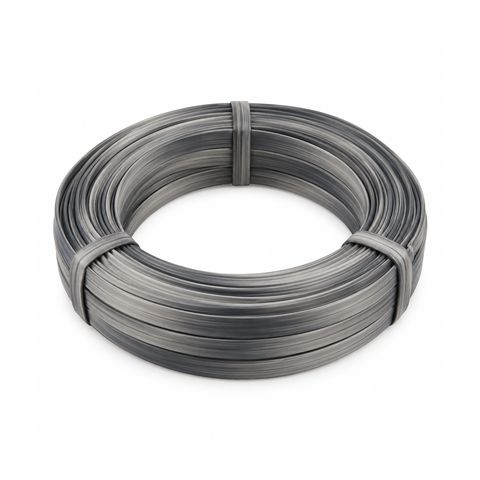
| PE cane webbing and PE wicker strip | No | Installed dry | Warm the coil in the sun on a cold day |
| Vinyl patio straps and vinyl lacing | Very hot water | See the strap guide | Softened in hot water so they tighten as they cool |
Stained cane can release a little color when it soaks. With walnut-tone webbing, rinse it once and let the water run clear before you install it near light fabrics.
For vinyl, follow how to replace vinyl straps on patio chairs. It is the one job in our range that needs very hot water.
How warm the water should be
Warm, comfortable to your hand. Warm water softens cane and reed faster than cold; cold water works too, only more slowly. Cane and reed do not need hot water. If the water cools during a long session, top it up with a little warm water.
Some caners add a little glycerin to the water so the strands slide through the weave more easily in the later steps of hand caning. It is optional; plain warm water does the job.
How to soak, step by step
- Take out only what you will use next. For strand cane, pull a few strands from the tied end of the hank without tangling the rest. Leave the hank, the spline coil and the reed coil dry.
- Coil strands loosely, shiny side out, and clip each coil with a clothespin. Tight coils kink.
- Cover the material completely. Webbing floats, so lay it flat or loosely rolled in the tub and weigh it down.
- Time it from the chart. For a pressed seat, start the webbing first and add the spline for the last 10 to 15 minutes.
- Test before you use it. Bend a strand gently. It should bend without cracking or creaking. If it still feels stiff, give it a few more minutes.
- Lift it out and let it drip. Wipe off the extra water with a towel, so drips do not mark the wood finish.
- Put the next strands in while you work, so the next one is ready when you need it.
The most common mistake is soaking a whole hank or a whole coil at once. You cannot use it all before it has been in the water too long, and it then has to dry out again before you store it.
Keeping strands damp while you work
Soaked cane starts drying the moment it leaves the water. Dry cane cracks where it bends through a hole or into a groove.
- Strand cane. Wipe the working strand with a damp sponge whenever it stiffens. Before the first woven step of a hand-caned seat, dampen the whole seat so the new strand slides.
- Cane webbing. Work at a steady pace once it is out of the water, and mist it with the spray bottle if it starts to stiffen before the spline goes in.
- Binder and wraps. Sponge or mist the binder as you wrap a leg or tie down the edge of a seat.
- Reed. Wrap soaked weavers in a damp towel. On a basket, dip the work now and then if the stakes stiffen.
Never force a strand that has dried out. Wet it again first. And whatever you weave, keep the shiny side of the cane facing out.
Don’t over-soak
Longer is not better. Cane left in water for hours goes soft and can darken. Reed left too long turns soft and hairy, and it frays as you weave. Do not leave either in the water overnight. If you have to stop, take the material out, let it dry, and soak it again next time.
Wet cane also looks loose. That is normal. Natural cane tightens as it dries, so do not pull it drum-tight while it is wet. The first layers of a hand-caned seat in particular need a little slack.
Re-soaking
Cane and reed that have dried out can be soaked again. Give them the same short soak and test a bend before you use them. A strand that went into a groove crooked can be pulled out, re-soaked and tried again.
On a half-finished hand-caned seat, do not soak the chair. Dampen the woven cane with a sponge when you come back to it, and wait a few minutes before you weave. Old cane on a finished seat loses a little elasticity each time it is wetted and dried, so water is a fix you can use a few times, not forever. How to tighten a sagging cane seat covers that job.
Mildew and storing leftovers
Cane and reed are plant fibers, and damp plant fiber grows mold.
- Let leftover soaked material dry completely at room temperature, out of direct sun.
- Coil it loosely and store it somewhere dry and airy. Do not put it away in a sealed plastic bag or a damp basement.
- Let a finished piece dry slowly, away from heaters and sun. Give a pressed seat a night to dry and a full day before anyone sits on it.
- Keep finished natural cane out of steamy bathrooms and the rain. Where it will stay damp, synthetic PE cane is the better choice.
Next steps
For pressed cane, follow how to replace a pressed cane seat. For strand cane, see hand caning a chair seat and the strand cane size chart. For reed, start with basket weaving for beginners. For seats woven dry, see weaving a fiber rush seat.
Everything for a full seat, soaked or dry, is on the replace a pressed cane seat and hand cane a chair seat project pages.
 PE Wicker Repair Strip
 Laced Danish Cord
 Fiber Rush
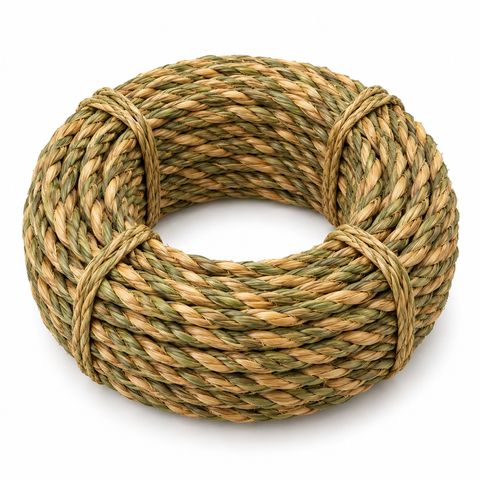 Twisted Seagrass Cord