How-to
How to remove old spline and cane without damaging the groove
Score the spline, soften the glue with warm water or vinegar, lift it out with a caning chisel, then clean the groove and measure it for new spline.
Updated
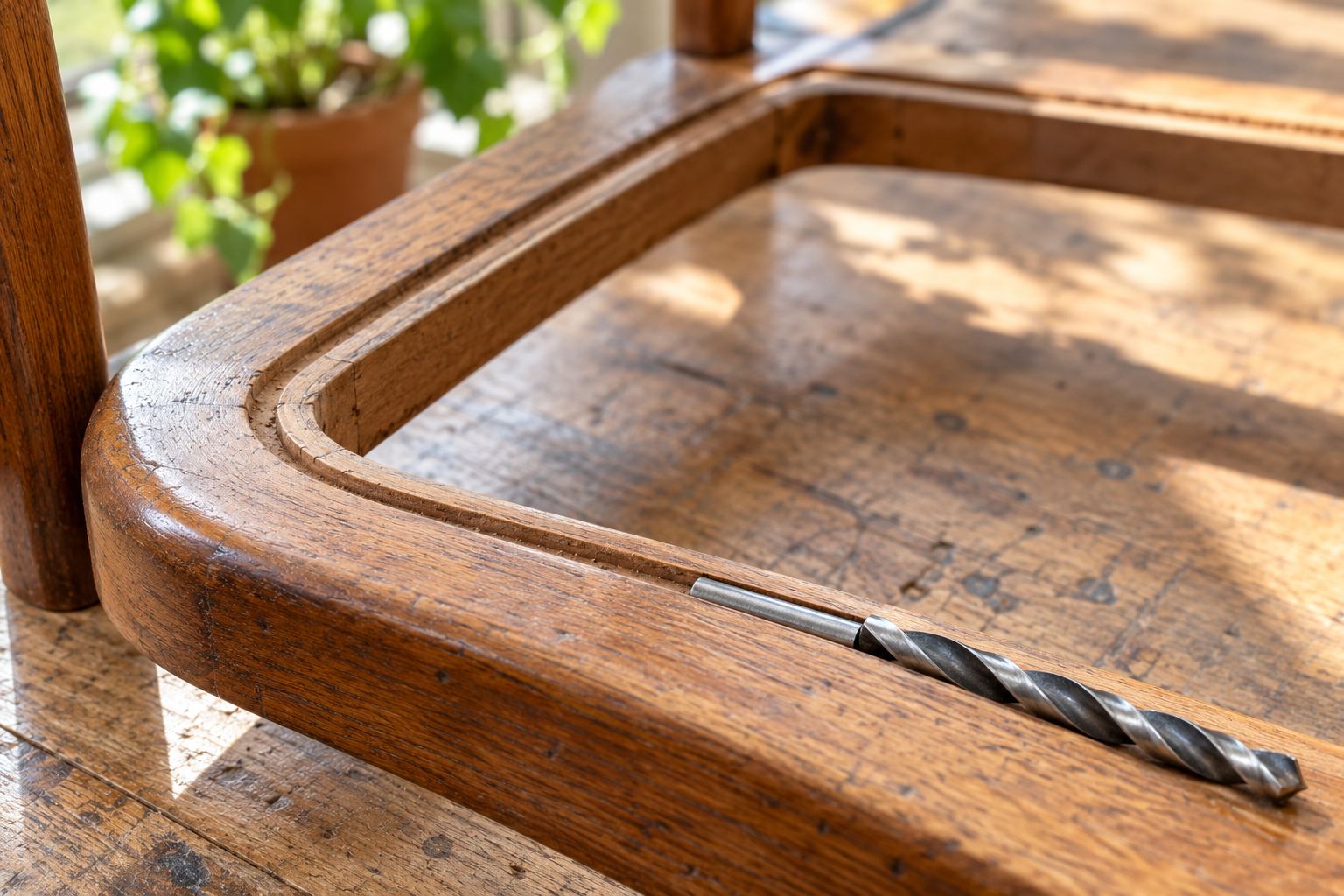
To remove old spline and cane, cut out the middle of the seat, score along both sides of the spline, and wet it with warm water, or half white vinegar and half warm water, until the glue softens. Then tap a caning chisel down into the spline and lift it out in pieces, keeping the blade away from the groove walls. Finish by scraping the groove to bare wood, letting it dry and measuring it for new spline.
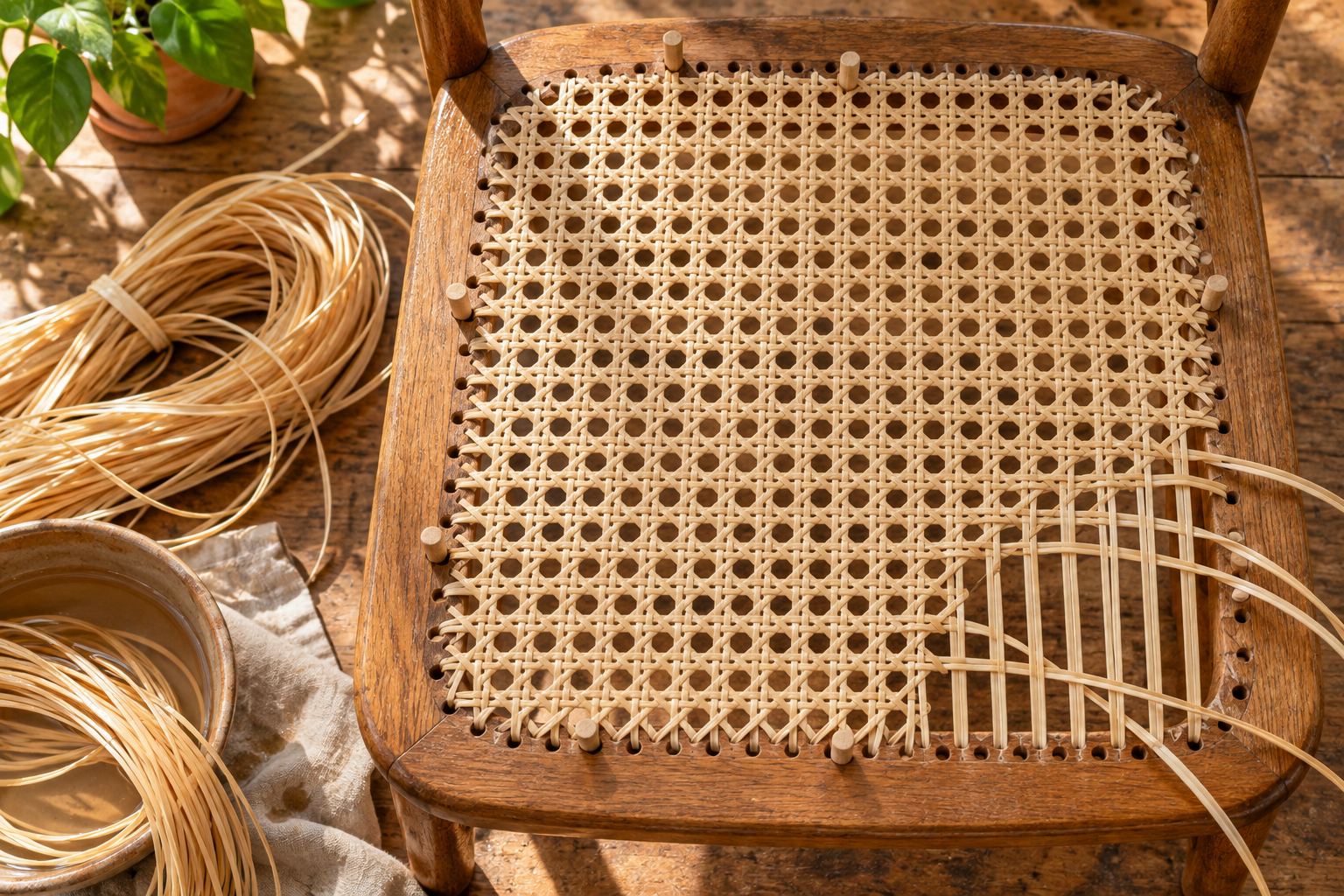
This is the slow part of re-caning a pressed seat, and the part where chairs get damaged. Everything you need for the whole job is on the replace a pressed cane seat project page; this guide covers the removal in more detail than how to replace a pressed cane seat.
What you need
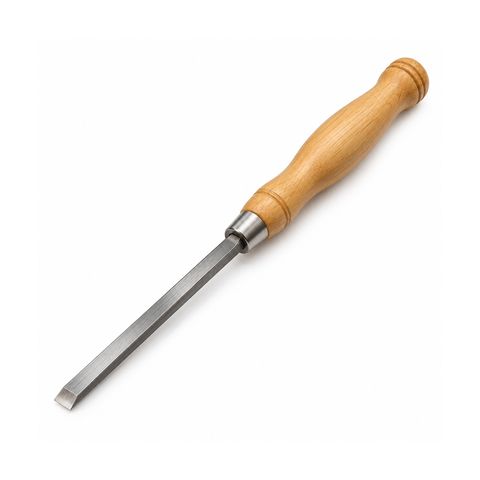
- A caning chisel with a blade as wide as the groove or narrower
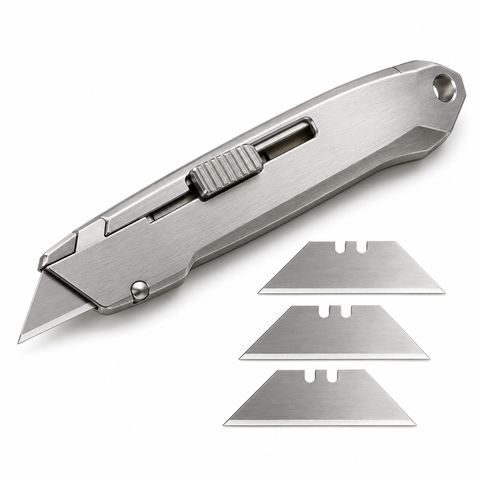
- A utility knife with a fresh blade
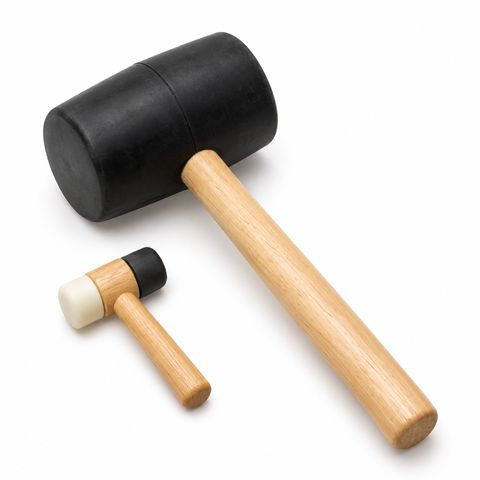
- A rubber mallet or light hammer
- Warm water, white vinegar, and a spray bottle or squeeze bottle
- Old towels or a drop cloth
- An awl or small screwdriver for cleaning out the groove
- Fine sandpaper and a vacuum
- Drill bits or calipers to measure the clean groove
- Safety glasses: dry spline and old glue can snap and fly
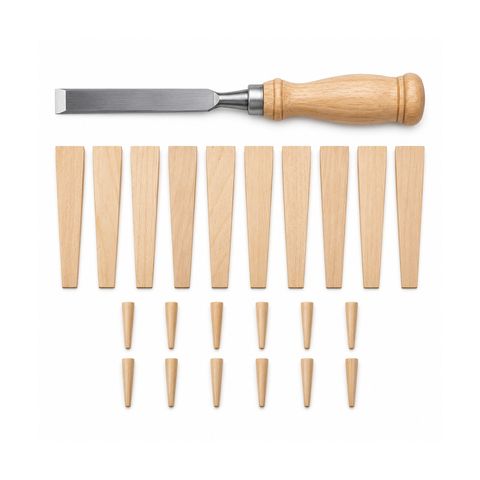
A drill with a small bit helps with stubborn spline. The pressed caning tool set pairs the chisel with the wedges you will need for the new seat.
Know your glue
You cannot tell the glue by looking, but it decides how the job goes.
- Hide glue, common on older chairs, softens with warm water and vinegar.
- White or yellow wood glue softens more slowly. It takes longer soaking and more patience.
- Other adhesives from past repairs, such as construction adhesive or epoxy, barely react to water. Those come out by cutting, not soaking.
Start with water. How the spline reacts tells you which case you have.
Step 1: Cut out the old cane
Run the utility knife around the inside edge of the spline to cut the cane free, and lift out the middle of the seat. Now only the spline and the cane edges trapped under it are left in the groove, and you can see what you are working on.
Step 2: Score along both sides of the spline
Run the knife lightly along both sides of the spline, where it meets the groove walls, all the way round. This breaks the glue film between spline and wood and opens a path for the water.
Keep the blade tipped toward the spline and make several light passes rather than one hard one. The mistake here is slipping and cutting into the edge of the seat frame, which leaves a nick right where the new spline shows.
Step 3: Soften the glue
- Put a towel under the chair.
- Spray or dribble warm water along the spline, working it into the score lines. For stubborn glue, use half white vinegar and half warm water.
- Wait about half an hour. Wet it again as it soaks in. Hard glue can take an hour or a second round.
- Wipe any water or vinegar off the finished wood as you go.
If the liquid just sits on top, drill a row of small, shallow holes into the top of the spline so it can soak in. Use a bit narrower than the spline and stop as soon as you feel the bit break through; never drill into the bottom of the groove.
Do not flood the seat or put the chair in a tub. Water standing on the frame marks the finish and swells the joints.
Step 4: Find a place to start
The easiest starting point is the joint where the two spline ends meet, usually at the center of the back. Set the chisel in the joint and tap it down between the ends.
If there is no obvious joint, make one. Hold the chisel upright on top of the spline and chop straight down through it, as if cutting a small mortise. That gives the blade an end to get under.
Step 5: Lift the spline out
- Set the chisel on top of the spline, a little way along from your start.
- Tap it down into the spline with the mallet.
- Rock the handle gently to lift the spline up and out.
- Move along a short distance and repeat. The spline will come out in pieces; that is normal.
- Pull out the old cane edges as they come free.
- Wet any section that resists again and give it more time.
Keep the blade in the spline at all times. Levering against the groove walls, especially the outer edge, chips the wood and widens the groove, and then new spline will not fit well. That is also why a screwdriver or a wide wood chisel is a poor substitute: both pry on the walls. Push the blade away from you and keep your other hand behind it.
Step 6: Clean the groove to bare wood
- Scrape the walls and bottom of the groove with the chisel and an awl until no glue or cane is left. If the glue is still hard, wet the groove with the vinegar mix, wait, and scrape again.
- Vacuum the groove.
- Let it dry completely. Vinegar left in the wood weakens new glue.
- Lightly round over the top inside edge of the groove with fine sandpaper, so it does not cut the new cane as it tightens.
Do not widen or deepen the groove, and do not run a router through it. A router changes the groove’s width and shape; cutting a spline groove with a router is for new frames only.
Step 7: Check the groove before you buy spline
Width. Slide drill bit shanks into the clean groove: the largest one that slides along without forcing is the width. Check at least four places, one on each side.
| Groove width | Spline |
|---|---|
| Narrower than 1/8 in | #6.5 |
| 1/8 in | #7 |
| 5/32 in | #7.5 |
| 3/16 in | #8 |
| 7/32 in | #8.5 |
| 1/4 in | #9 |
| 9/32 in | #9.5 |
| 5/16 in | #10 |
| Wider than 5/16 in | #11 |
How to measure a spline groove covers calipers and the seat size, and the spline finder does the lookup. If you are unsure between the common sizes, the spline sampler set lets you test-fit #7, #8 and #9.
Damage. Glue any chip that broke off the groove edge back in place with wood glue and hold it with tape until dry. If a short stretch of groove got pried wider, size the spline for the width along most of the groove, not the damaged spots. The reed spline size chart explains the test-fit.
Length. Lay a string in the groove all the way round, measure it, and add 6 in for trimming and the joint.
When the spline will not come out
- No softening at all. Drill shallow holes along the spline, then chop it out between them in short pieces with the chisel. Slow, but safe for the groove.
- The chisel keeps slipping. It may be dull. Hone it on a sharpening stone at the angle it came with.
- A section is fused to the wall. Score that wall again with the knife, wet it, wait, and work from the middle of the spline outward rather than from the wall.
Common mistakes
- Prying against the groove walls. It chips the edge and widens the groove.
- Scoring too hard. The knife slips into the frame.
- Drowning the chair. Wet the spline, not the whole frame.
- Measuring before the groove is clean. Old glue makes it read narrow, and the spline you buy is loose in the clean groove.
- Gluing into a damp groove. Wait until it is fully dry.
With the groove clean and measured, you are ready for the new seat. Follow how to replace a pressed cane seat, or for a round or bentwood seat, how to cane a curved or round seat. The replace a pressed cane seat project page lists everything to buy, and chisels and wedges are in caning tools.
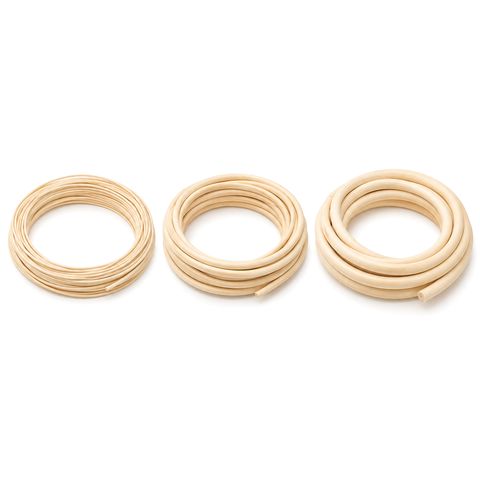
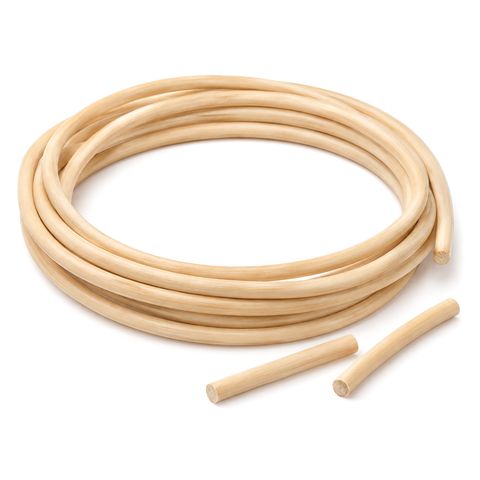 Reed Spline for Chair Caning
 Wood Glue for Caning
 Round Reed for Basket Weaving