Care
How to stain or paint cane and wicker furniture
Stain natural cane with thin water-based color from the dull side, paint it in thin coats, paint resin wicker with paint for plastic, and what to avoid.
Updated
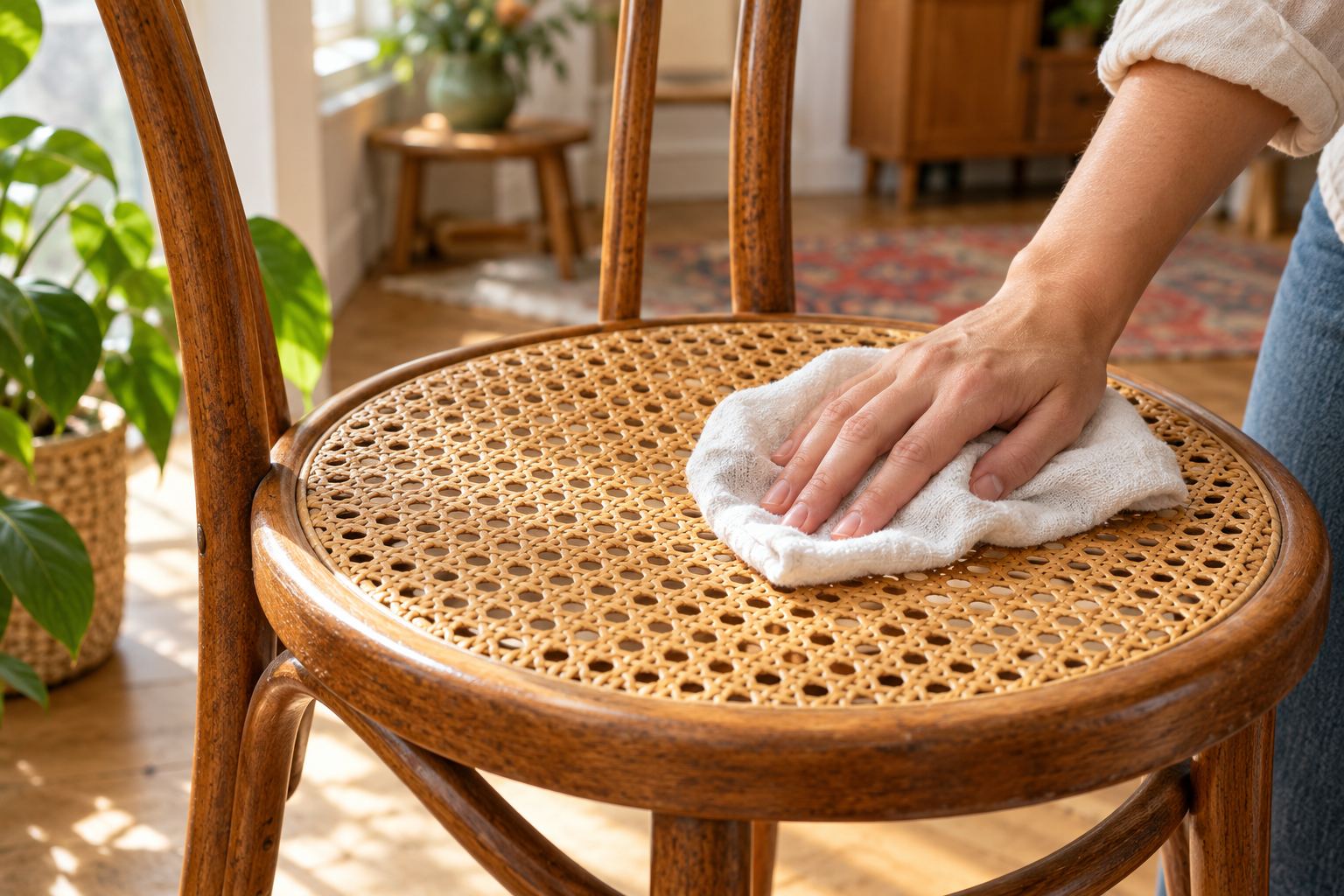
Natural cane can be stained or painted, but it does not behave like bare wood. Its top face is the glossy outer skin of the rattan palm, and that skin lets very little stain in, so color takes unevenly and has to be tested first. Thin water-based color, brushed on mostly from the dull underside and then sealed with one thin clear coat, gives the most even result. Paint covers well on panels and doors but stiffens a seat and tends to crack where it flexes. Resin (PE) wicker takes paint made for plastic.
Everything for the job is on the clean and refinish cane furniture project page.
First, what is it made of?
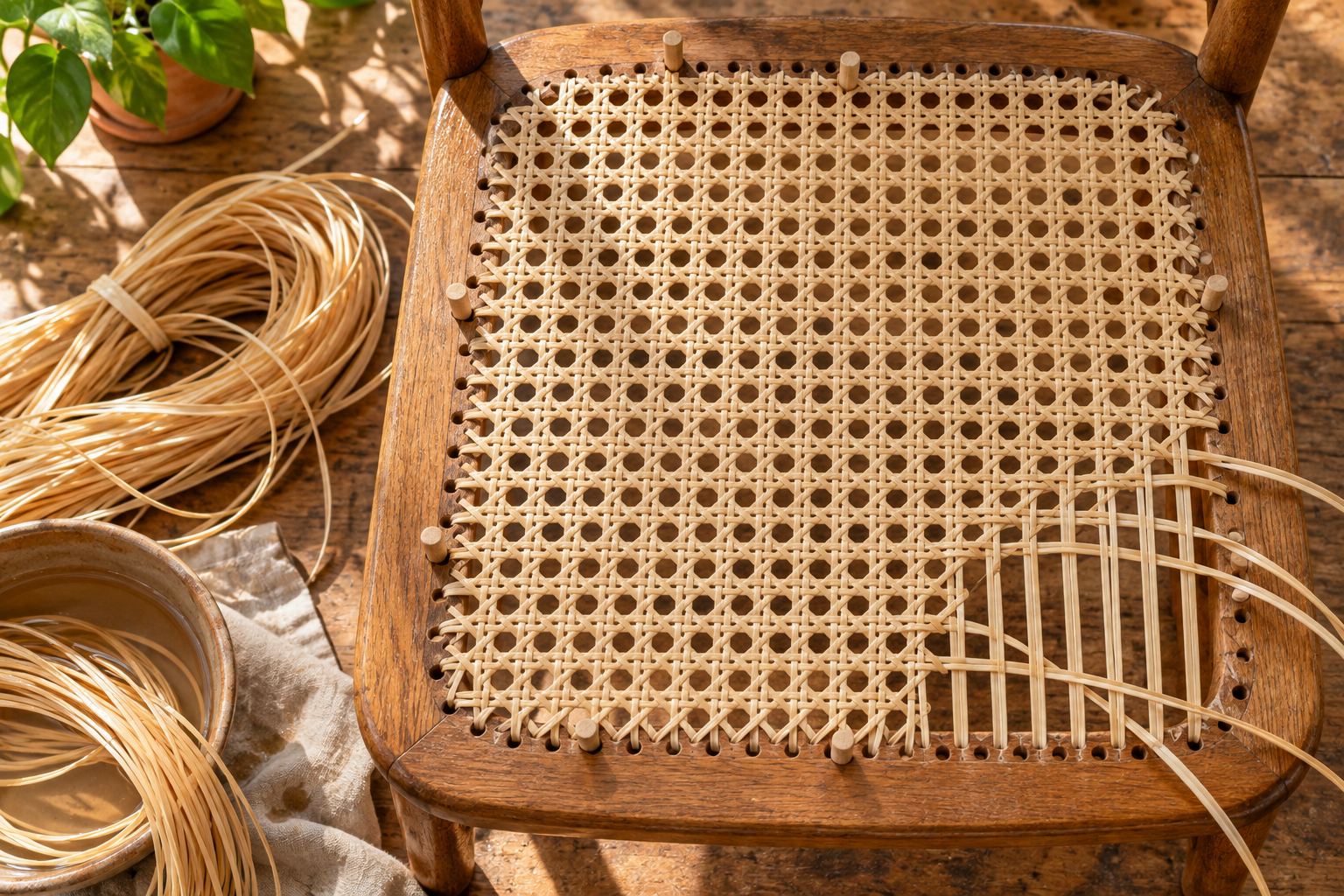
- Natural cane: flat, glossy strands in honey to tan, on chair seats, backs, doors and headboards. The glossy side is the face; the back is duller.
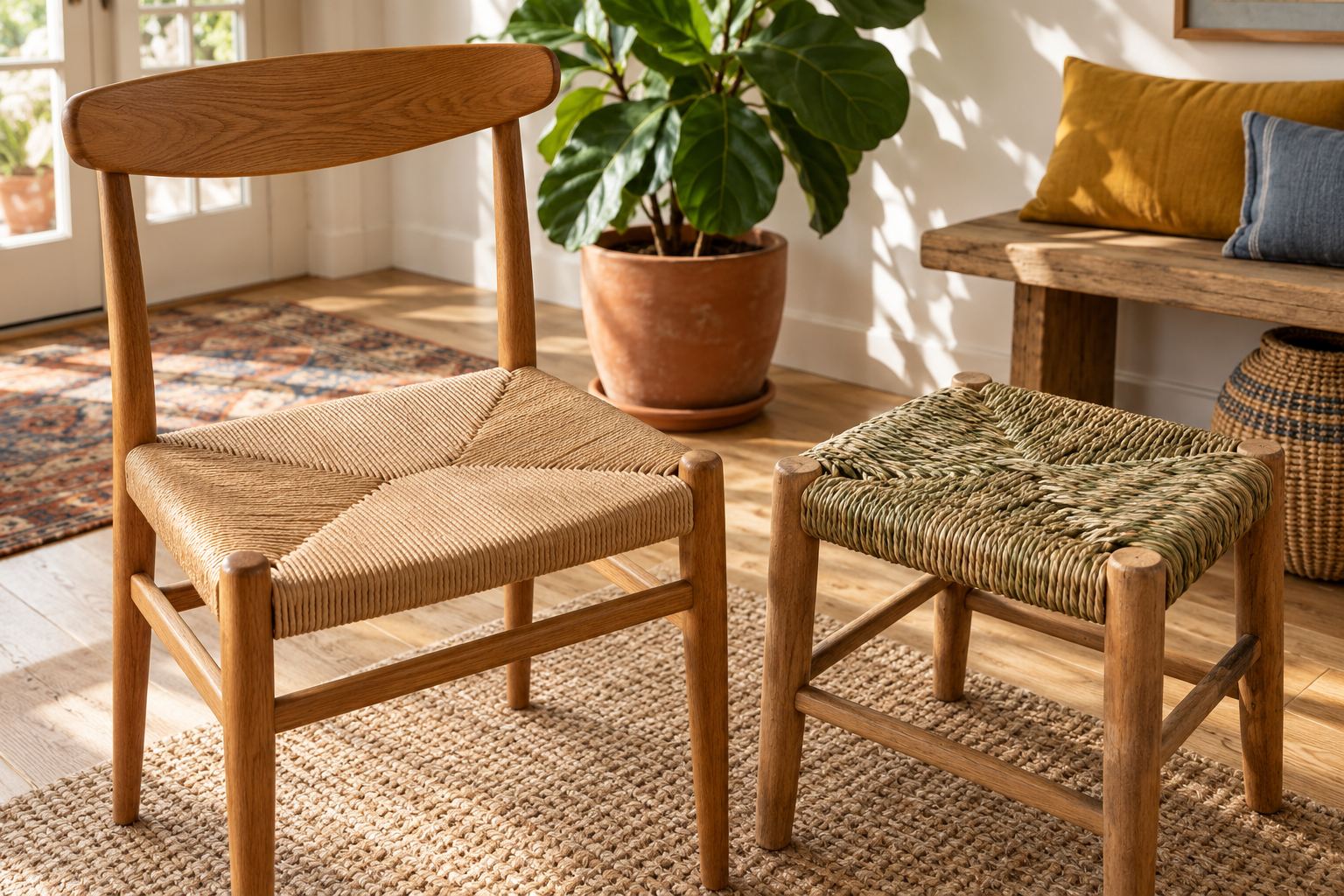
- Natural rattan, reed and wicker woven from them: round or flat strands without the glossy skin, on armchairs, tables and baskets. They take color more readily than cane.
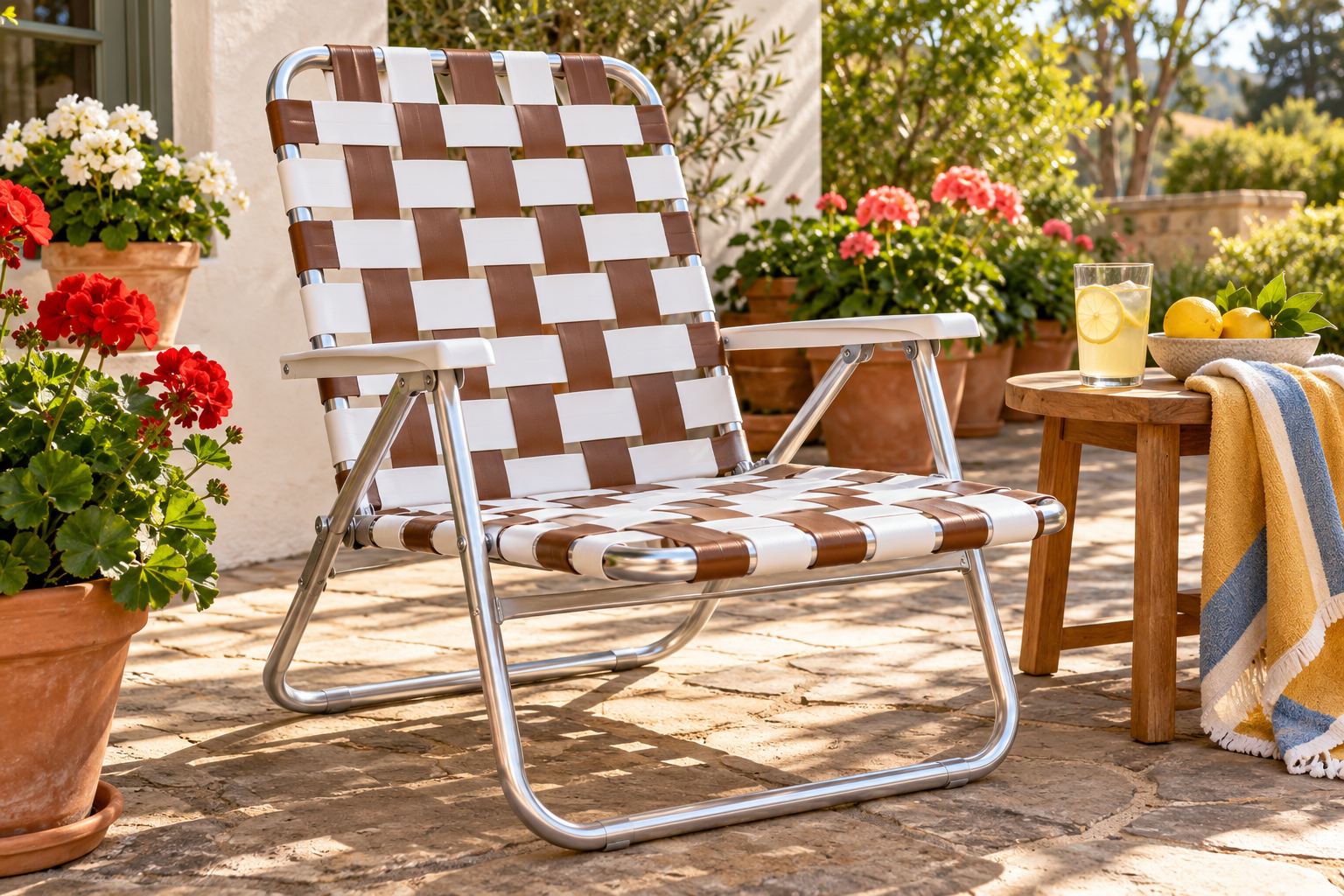
- Resin (PE) wicker and synthetic cane: plastic strands with an even color, made for outdoors. They absorb nothing, so stain will not work at all.
Stain, paint or a ready-colored cane?
| Option | Look | Best for | Watch out for |
|---|---|---|---|
| Leave it natural | Honey cane that darkens slowly with age | Seats that get sat on | Nothing to wear off |
| Ready-colored cane | Semi-bleached (pale) or walnut-tone (dark) | New seats and panels | Walnut-tone can release a little stain when soaked; rinse it first |
| Water-based stain or dye | Warmer or darker, cane texture still shows | Matching new cane to old, toning a whole piece | Takes unevenly on the glossy face; test first |
| Paint | Solid color; the weave still shows if coats are thin | Panels, doors, headboards, natural wicker | Stiffens cane, can crack on seats, cannot be undone |
| Paint for plastic | Solid color | Resin (PE) wicker | Needs a clean, dry, dull surface |
What you need
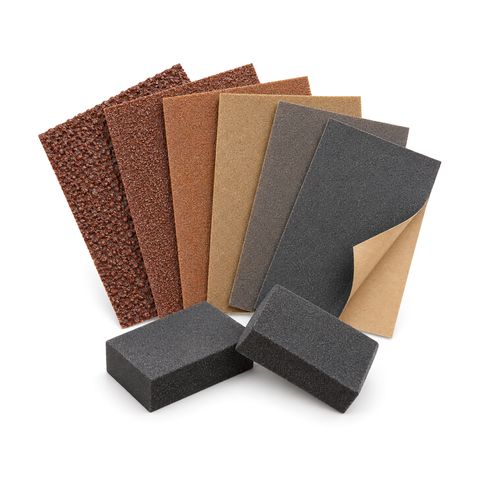
- A sandpaper assortment (use the finest sheets) or fine steel wool
- A water-based wood stain or dye, and a clear water-based finish or shellac for sealing
- Wicker paint for painting wicker and cane
- Soft brushes, lint-free cloths, painter’s tape and a drop cloth
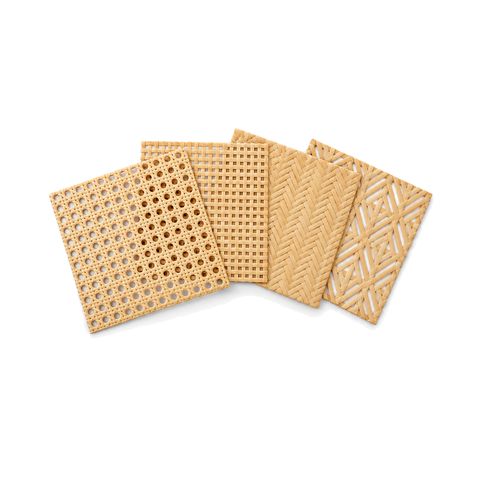
- A cane webbing sample pack or offcuts to test on
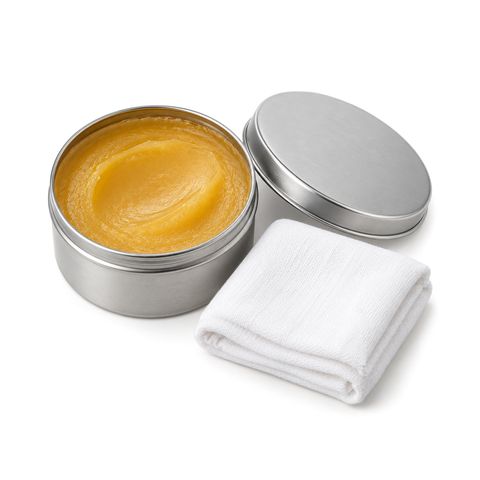
- Furniture paste wax for the wooden frame afterwards
How to stain natural cane
- Clean it and let it dry. Dust the weave with a soft brush, wipe it with a barely damp cloth and a little mild soap, and leave it until it is completely dry.
- Test first. Try the color on a piece from the sample pack or on a hidden part of the underside. Let it dry fully before you judge it; cane looks darker wet. The usual mistake is choosing the color while it is still wet.
- Scuff the glossy face lightly. Rub along the strands with the finest sandpaper or fine steel wool, just enough to dull the shine so the color can get in. Sanding hard tears strands and leaves them fuzzy.
- Color from the underside first. The dull underside takes color more readily than the face. Brush on a thin coat underneath, then on top, and wipe off the excess right away so it does not pool in the holes or stain the frame.
- Build the color in thin coats. Let each coat dry before the next. Two light coats look more even than one heavy one.
- Seal the top lightly. One thin coat of shellac or a thinned water-based clear finish, on the top only. Leaving the underside bare means you can still dampen it later to tighten a slack seat, as in how to tighten a sagging cane seat.
On a new pressed seat or panel, color the cane after it is installed and dry. If you stain a sheet first, the 30 minute soak before installing washes some of the color out.
To color only the wooden frame, cover the cane on both sides with painter’s tape, or work carefully with a small brush and keep a damp cloth ready for slips.
How to paint natural cane or wicker
- Clean it and let it dry fully, for a full day if it got wet. Paint over damp cane or wicker tends to flake.
- Scuff glossy or varnished areas lightly with fine sandpaper, then dust it off.
- Mask and cover. Tape off anything that stays unpainted and put down a drop cloth.
- Prime glossy surfaces with one thin coat of a bonding primer.
- Apply thin coats. Spray paint reaches into the weave without filling the holes; turn the piece and do the undersides first. If you brush, use very little paint and work it into the weave. A heavy coat fills the holes, runs, and cracks when the cane flexes.
- Let it cure before anyone sits on it or the cushions go back. Follow the drying times on the can.
Do not paint over a seat that is already split or sagging; replace or tighten it first. Once cane is painted or sealed, it can no longer be tightened with water.
How to paint resin (PE) wicker
- Wash it with mild soap, warm water and a soft brush, then rinse.
- Let it dry completely, in the sun if you can.
- Wipe shiny or greasy spots with rubbing alcohol and scuff glossy areas lightly.
- Use paint made for plastic, or a primer for plastic first. Check the label of any paint, including wicker paint, says it is for plastic or resin; ordinary paint peels off PE.
- Apply thin coats from several angles, undersides first, and let it cure before cushions and rain.
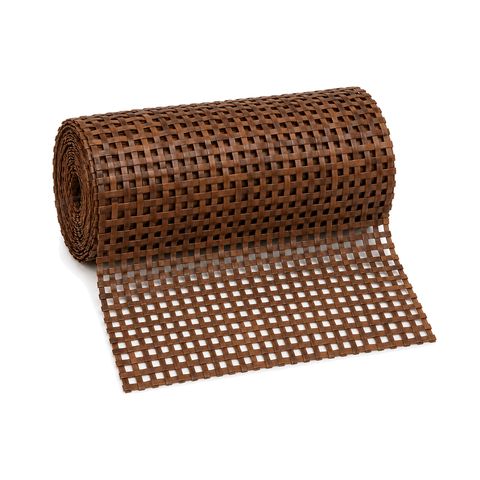
For repairs, it is often easier to match the color than to paint: our PE wicker repair strip comes in dark brown, gradient grey, light wood and black. See repairing outdoor wicker furniture.
What not to do
- Do not bleach cane to lighten it. Bleach and harsh chemicals weaken the fibers. Use semi-bleached cane instead.
- Do not put thick varnish or polyurethane on a seat. It stiffens the cane, cracks and flakes where it flexes, and seals out moisture.
- Do not soak cane that has been stained, painted or sealed.
- Do not oil cane heavily. The glossy face takes up little oil, and the rest stays on top and gathers dust.
- Do not use ordinary house paint on resin wicker.
- Do not stain a whole set of chairs without testing on a scrap first.
- Do not leave painted natural cane outdoors. Paint does not make it weatherproof; for outdoor pieces use synthetic cane.
Looking after the frame
Wax the wooden frame, not the cane, with paste wax, and buff it with a soft cloth. Touch up scratches with furniture touch-up markers and fill dents with wood filler before you refinish. For everyday care, see cane furniture care and repair, and everything for the job is on the clean and refinish cane furniture project page.
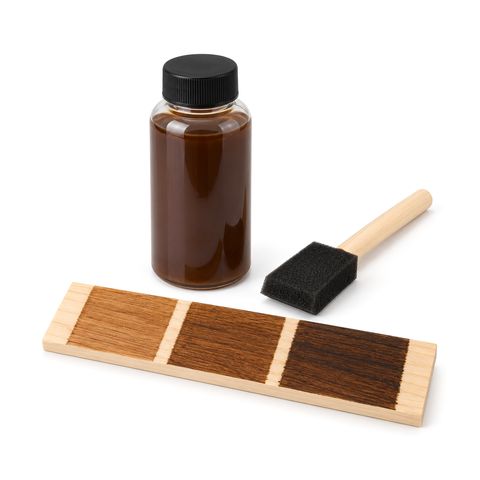 Water-Based Wood Stain for Chair Frames and Cane
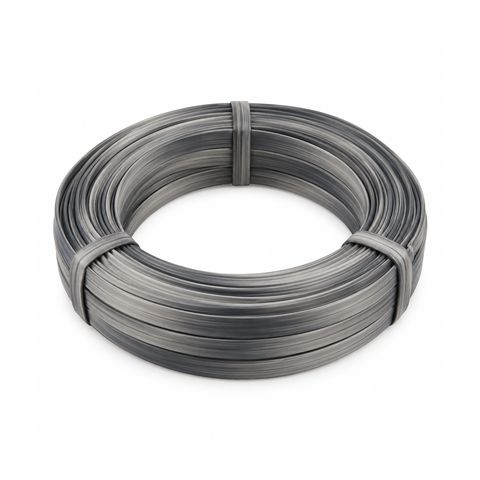 PE Wicker Repair Strip
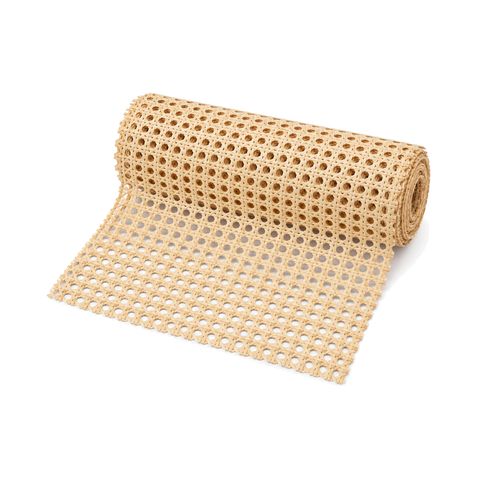 Semi-Bleached Cane Webbing
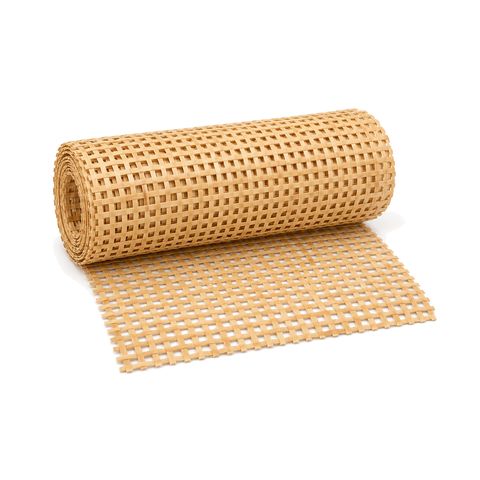 Square Cane Webbing Roll (Radio Weave)