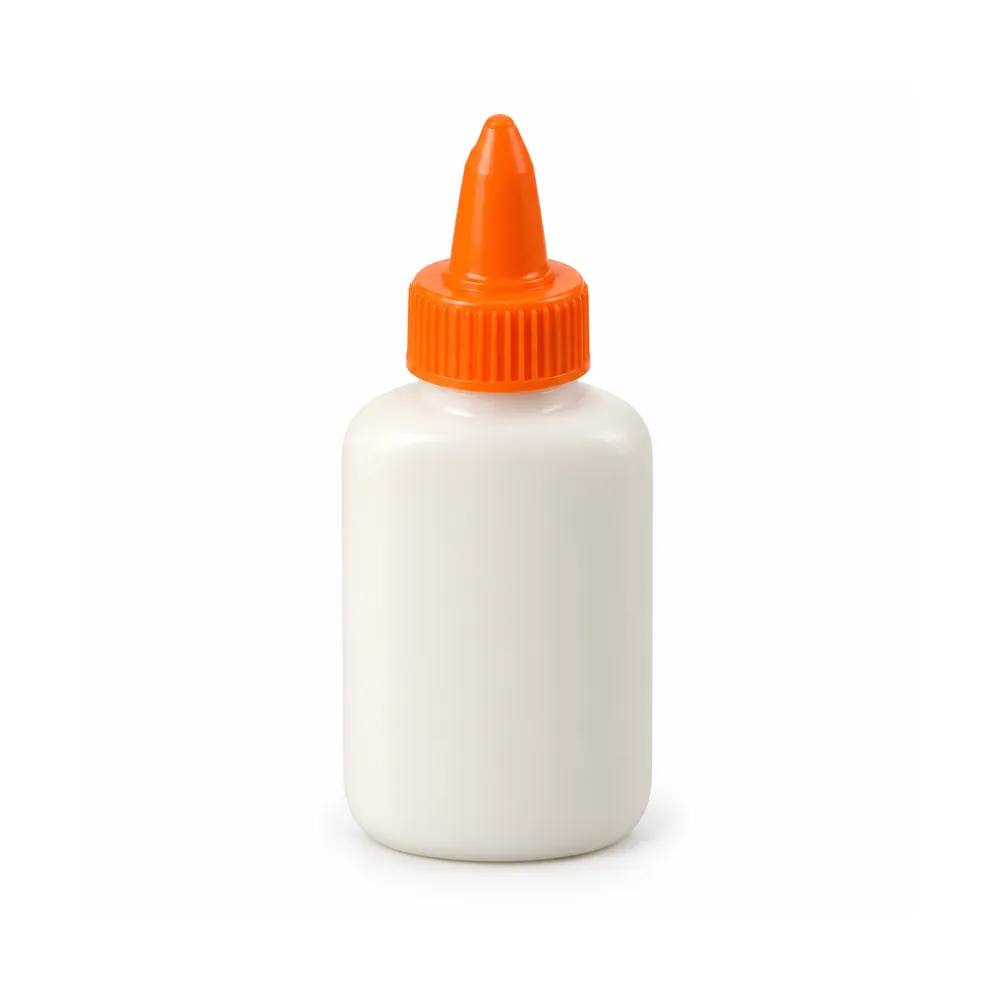
Photos illustrate the product type.
Tools for Caning and Upholstery
Wood Glue for Caning, White PVA, 4 fl oz Bottle with Narrow Tip
White PVA wood glue in a 4 fl oz squeeze bottle with a narrow tip that lays a clean bead into a spline groove. Dries clear; wipes up with a damp cloth.
Every pressed cane seat needs a bead of glue in the groove before the spline goes in, and cane on a cabinet door needs a line of glue under its edge. This 4 fl oz bottle is sized for that work: enough for several chair seats, without a big jug drying out on the shelf.
It is PVA (white) wood glue in a squeeze bottle with a narrow tip. The tip fits down into a spline groove, so the glue goes where the spline will sit instead of across the cane and the seat rail.
On a pressed seat:
- Wedge the cane into the groove and trim off the excess first.
- Run a steady bead along the bottom of the groove, all the way round. Enough to coat it, not so much that it floods out.
- Tap in the soaked spline. A little glue will squeeze up along the edges.
- Wipe that off right away with a damp cloth. The glue dries clear, but a dried film on bare wood can stop stain or finish from taking there.
On a cabinet door: run a bead around the back of the frame where the cane will lie, press the damp cane onto it and staple through. The glue holds the edge between the staples.
PVA is also the kind restorers are glad to find later. Years from now, warm water or vinegar softens it, so the next re-caning comes apart without a fight.
Keep the cap closed and store the bottle upright, indoors. If the tip clogs, clear it with a pin.
How to choose
There is one size, and for most jobs one bottle is plenty: it covers several chair seats. If you are doing a full set of dining chairs or a long run of cabinet doors, add a second bottle so you do not run dry halfway through.
Skip epoxy, super glue and construction adhesive for caning. They set hard, are hard to clean off the cane, and make the next re-caning far more work. A plain PVA wood glue like this one holds the spline and still lets go when it is soaked years later.
Questions
How much glue does one seat take?
A thin, continuous bead along the bottom of the groove. One bottle covers several chair seats.
Will the glue show on the finished seat?
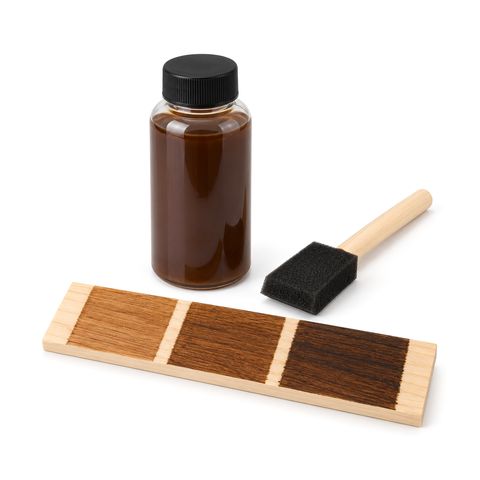 Water-Based Wood Stain for Chair Frames and Cane
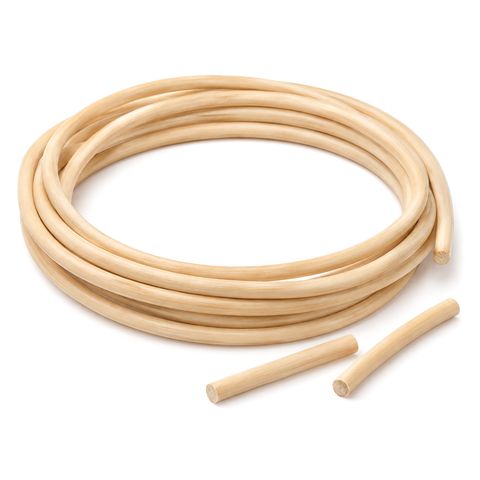 Reed Spline for Chair Caning
Why not use super glue or epoxy?
They set very hard and are difficult to clean up. PVA holds spline well and softens again with warm water or vinegar, which makes the next re-caning easier.
Can I use it for cane on cabinet doors?
Yes. Run a bead around the back of the frame, press the damp cane onto it and staple through; the glue holds the edge between staples.
You may also need
-
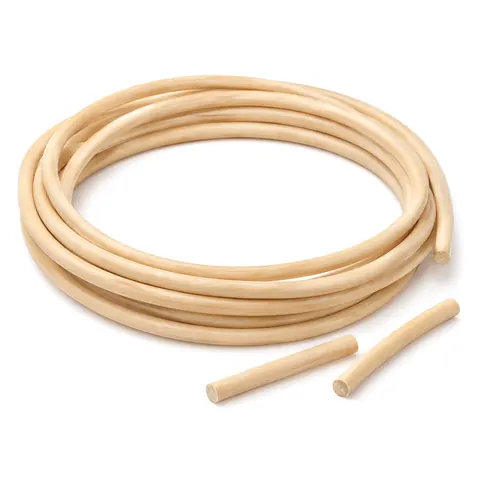
Reed Spline for Chair Caning, 6 ft Coil, Sizes #6.5 to #11
Reed spline that locks pressed cane into a chair seat groove, in nine sizes from #6.5 to #11: #7 fits 1/8 in, #8 fits 3/16 in, #9 fits 1/4 in grooves.
From $7.99 · 9 options
-
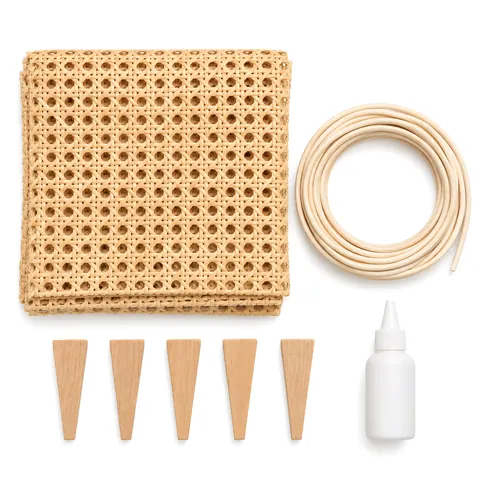
Chair Seat Caning Kit for Pressed Cane, with Spline and Wedges
Replace one pressed cane chair seat: a sheet of open weave cane, 6 ft of reed spline in your groove size, 5 hardwood wedges and wood glue.
From $27.99 · 12 options
-
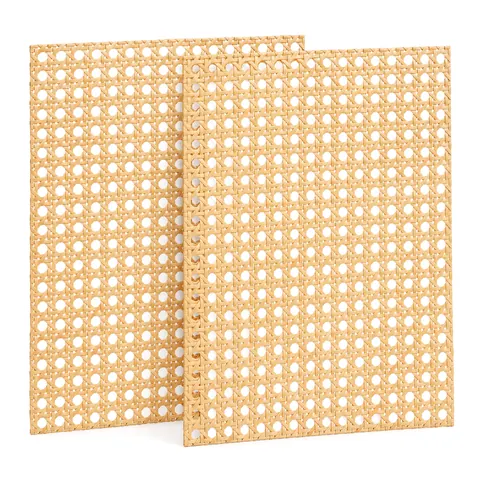
Cane Inserts for Cabinet Doors, Matching Pair, Open or Square Weave
Two matching cane sheets cut from the same roll for a pair of cabinet doors, in open or square weave, 12 x 24, 16 x 30 or 20 x 36 in per sheet.
From $32.99 · 6 options