Photos illustrate the product type.
Tools for Caning and Upholstery
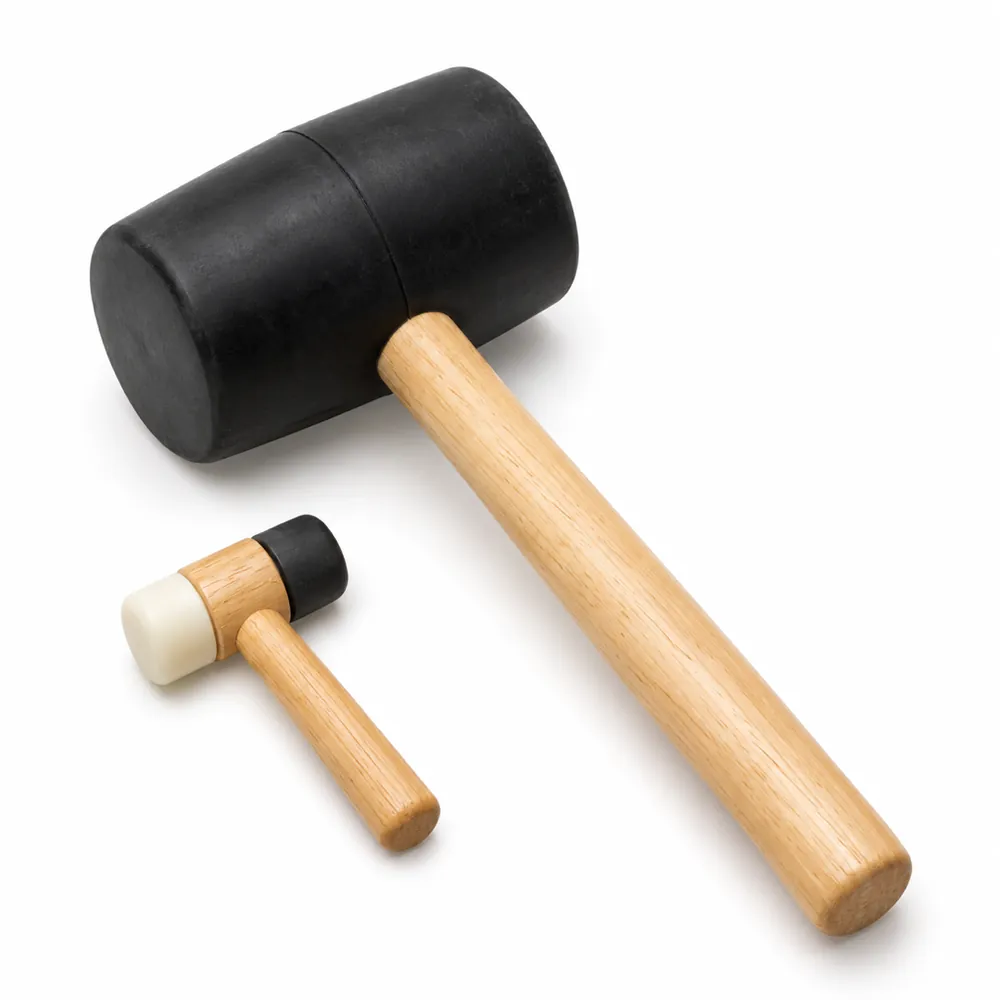
Rubber Mallet for Caning and Upholstery, Mini, 8 oz or 16 oz
Small rubber-headed mallet for tapping reed spline into the groove and driving caning wedges without marking the wood. Mini, 8 oz or 16 oz.
A steel hammer dents wood and flattens spline. A rubber head spreads the blow, so you can tap reed spline down into its groove and drive caning wedges home without marking the seat frame.
Three sizes:
- Mini, with a 25 mm (about 1 in) double-faced head, for spline work. The small face stays on the spline and reaches into the corners.
- 8 oz, for general caning: driving wedges to press the cane into the groove, and tapping the spline down level.
- 16 oz, for heavier jobs such as seating L-nails for a Danish cord seat, or knocking a loose chair joint back together after gluing.
On a pressed cane seat:
- Hold each wedge upright in the groove and tap it straight down. A glancing blow can tear the cane.
- Soak the spline in warm water for 10 to 15 minutes first, so it bends around the corners instead of cracking.
- Run glue into the groove, then tap the spline in a few inches at a time, starting at the middle of the back rail, until its top sits level with the seat.
- To spread the blow further, lay a wedge on top of the spline and tap the wedge.
Many light, even taps do better than a few hard ones. Hard blows bruise the spline and can split a thin groove wall.
Black rubber can leave a faint grey scuff on pale or unfinished wood. It wipes off with a damp cloth, or you can tap through a scrap of cloth on show wood.
The rest of the supplies for the job are on the replace a pressed cane seat project page.
How to choose
For pressed cane seats, the mini mallet gives the most control. It is light, so you work in many small taps, which is what spline needs, and its small face is easy to keep on a narrow strip.
Pick the 8 oz if you want one mallet for all your caning. It drives wedges with fewer blows and still taps spline in gently.
Pick the 16 oz for Danish cord seats, where a typical seat takes 30 to 50 L-nails in hardwood rails, and for knocking joints back together when you reglue a frame. It is heavy for spline, so pair it with the mini if you do both kinds of work.
Questions
Will a rubber mallet mark my chair?
It will not dent the wood the way a steel hammer does. Black rubber can leave a faint scuff on pale or unfinished wood; it wipes off with a damp cloth, or you can tap through a scrap of cloth.
Which size is best for spline?
The mini or the 8 oz. Both tap reed spline down without crushing it; the mini's small face is easier to keep on the spline in the corners.
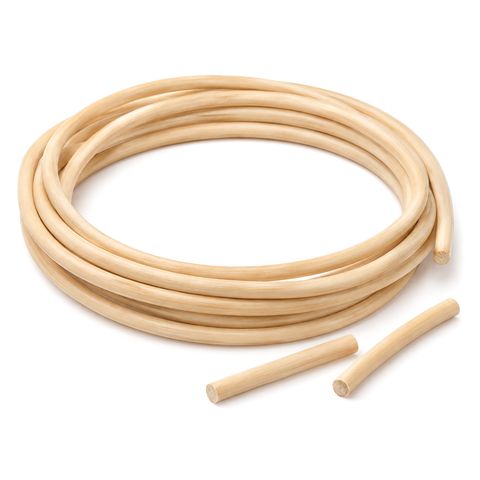 Reed Spline for Chair Caning
Should the spline be soaked before I tap it in?
Yes, 10 to 15 minutes in warm water so it bends around the corners. Run wood glue into the groove first, then tap the spline in, starting at the middle of the back rail.
Can I drive Danish cord L-nails with it?
Use the 16 oz. Its weight seats L-nails in hardwood rails with fewer blows than the smaller sizes.
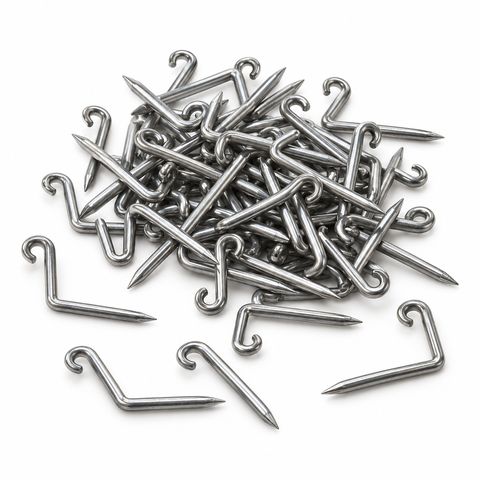 Danish Cord L-Nails
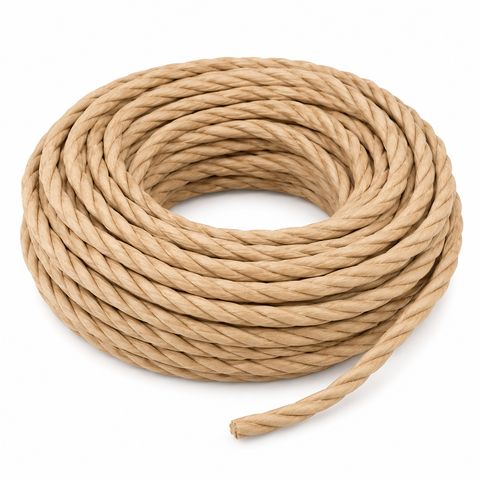 Laced Danish Cord
Can I use a hammer instead?
Only with a wedge or a block of wood between the hammer and the spline. A bare steel face dents the spline and the frame; a rubber mallet makes that mistake hard to make.
You may also need
-
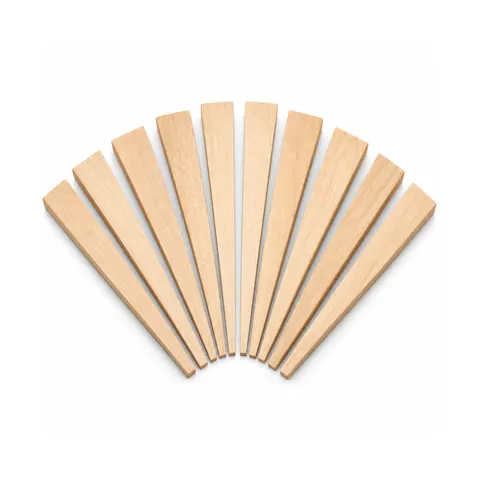
Caning Wedges, Hardwood, 3.9 in, Packs of 10, 20 or 40
Smooth hardwood wedges with a thin edge for tapping pressed cane into the groove and holding it while you work round the seat; packs of 10, 20 or 40.
From $11.99 · 3 options
-
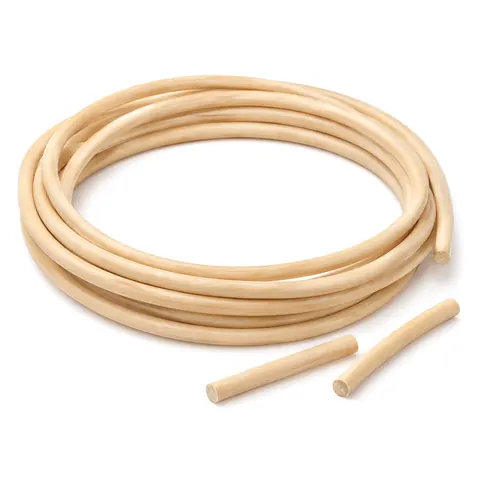
Reed Spline for Chair Caning, 6 ft Coil, Sizes #6.5 to #11
Reed spline that locks pressed cane into a chair seat groove, in nine sizes from #6.5 to #11: #7 fits 1/8 in, #8 fits 3/16 in, #9 fits 1/4 in grooves.
From $7.99 · 9 options
-
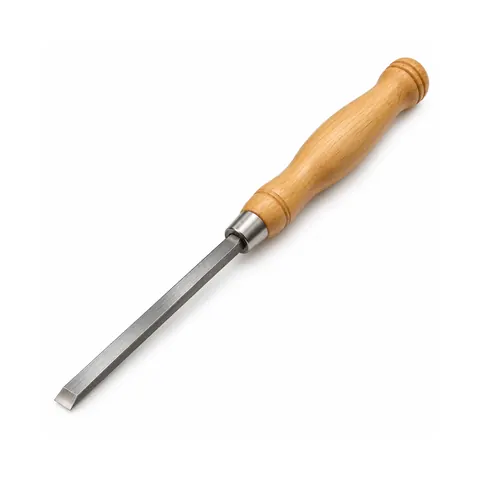
Caning Chisel for Removing Old Spline, 1/8 or 3/16 in Blade
A narrow steel chisel with a wooden handle, ground to fit the spline groove and lift out old spline and cane without widening it; 1/8 or 3/16 in blade.
From $24.99 · 3 options