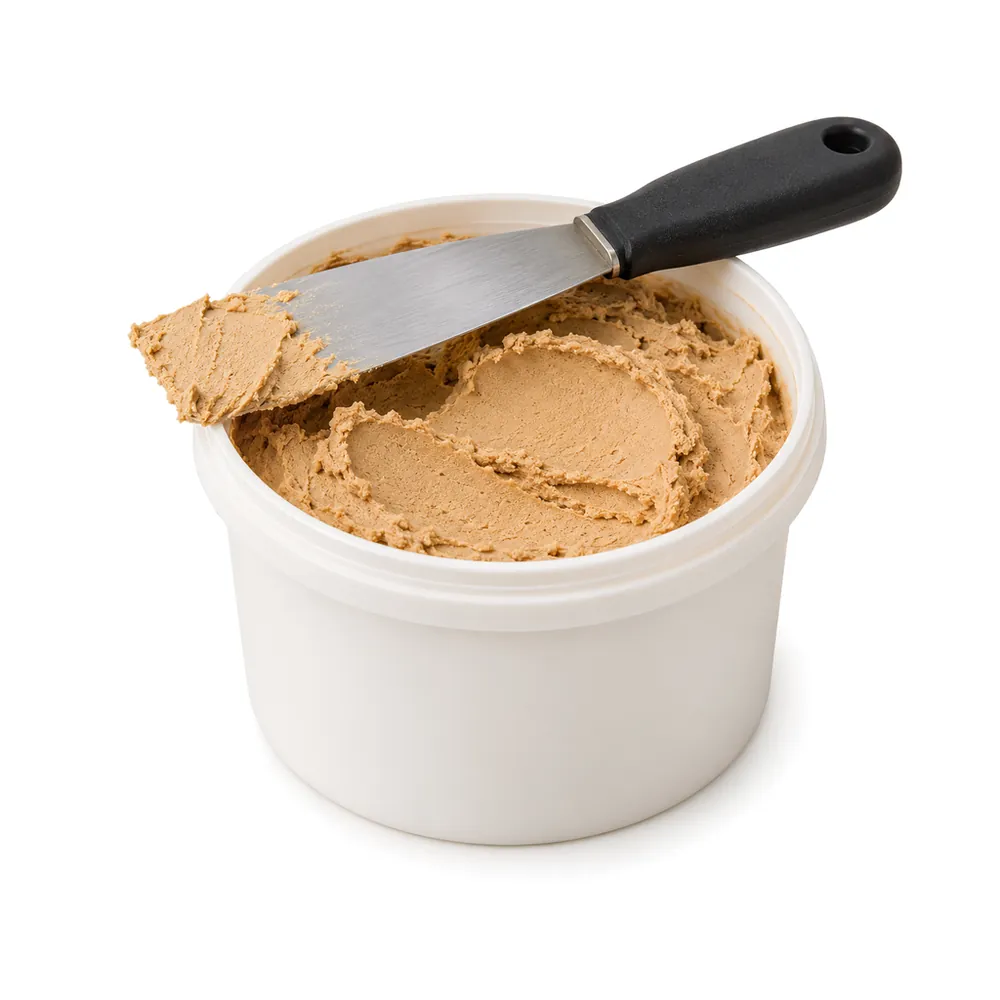
Photos illustrate the product type.
Water-Based Stainable Wood Filler, Natural, Oak or Walnut
Water-based wood filler that sands smooth and takes stain, for old tack and staple holes, dents in seat frames and small chips along a spline groove.
Strip the old seat off a chair and the frame shows its history: rows of tack and staple holes, dents in the rails, a chip or two along the edge of the spline groove. This water-based wood filler fills them so the frame is smooth again before the new seat goes in. Once dry it sands smooth and can be stained. It comes in natural, oak and walnut tones.
Good jobs for it:
- Old tack and staple holes left by upholstery, webbing or a woven seat
- Dents and dings in seat rails, legs and arms
- Small chips along the edge of a spline groove
How to use it:
- Clean out the hole and pick out any loose splinters.
- Press the filler in firmly with a putty knife and leave it slightly proud of the surface. It shrinks a little as it dries.
- Fill deep holes in two or three thin layers, letting each one dry, rather than in one thick lump.
- When it is dry all the way through, sand it flush with the wood around it, finishing with fine sandpaper, and wipe off the dust.
Near a spline groove, keep the filler out of the groove itself. If some gets in, clear it with a thin stick while it is still soft, or the new spline will not seat.
Filler does not take stain exactly the way wood does; it often ends up a little lighter or darker. Before you fill holes that will show, fill a hole in an offcut, sand it, stain it with the color you plan to use, and choose the filler tone that comes out closest. While it is wet, it cleans up with water.
It fills but does not glue. A loose joint or a cracked rail needs wood glue and clamps. The clean and refinish project page lists everything for the whole job.
How to choose
Choose the tone for how the frame will look when it is finished, not for the bare wood. Natural suits frames you will leave light or finish clear, oak suits mid-brown frames and walnut suits dark ones. Because filler takes stain a little differently from wood, test the filler and your stain together on an offcut before you fill holes that show.
Tack and staple holes take very little filler, so the 8 oz size covers most chair jobs. The 16 oz tub, in natural, is for big sets of chairs, larger dents or regular workshop use.
Questions
Will it match my stain?
Not exactly. Filler takes stain differently from wood and often ends up a little lighter or darker. Test it with your stain on an offcut and choose the tone that comes out closest.
Can I use it in the spline groove?
Only for small chips along the edge. Keep filler out of the groove itself, or the new spline will not seat.
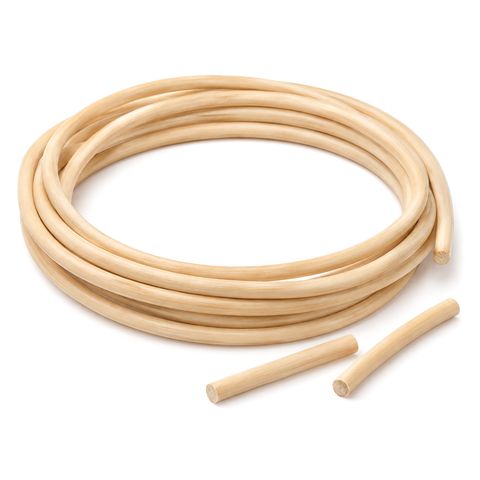 Reed Spline for Chair Caning
Do I fill before or after sanding the frame?
Fill first, then sand. Sanding the frame and the dry filler together leaves everything flush and ready for stain.
How long does it take to dry?
It depends on how deep the fill is and on the room. Shallow holes dry much faster than deep ones; fill deep holes in layers and wait until it is hard all the way through before sanding.
 Spring Clamps for Caning and Weaving
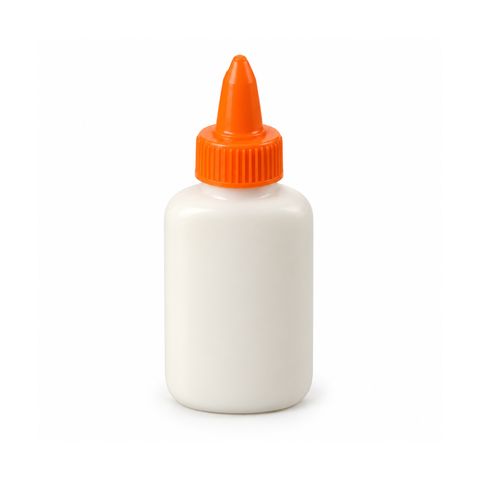 Wood Glue for Caning
You may also need
-
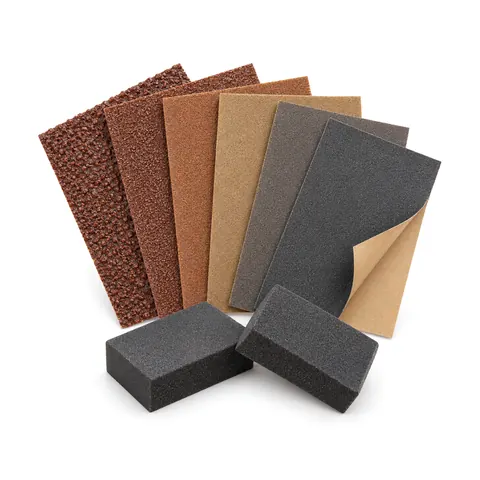
Sandpaper Assortment for Wood, 60 to 400 Grit, Sheets or Detail Kit
Mixed-grit sandpaper for refinishing chair frames: coarse to strip old finish, medium to smooth, fine before stain and wax. Sheets or a detail kit.
From $9.99 · 3 options
-
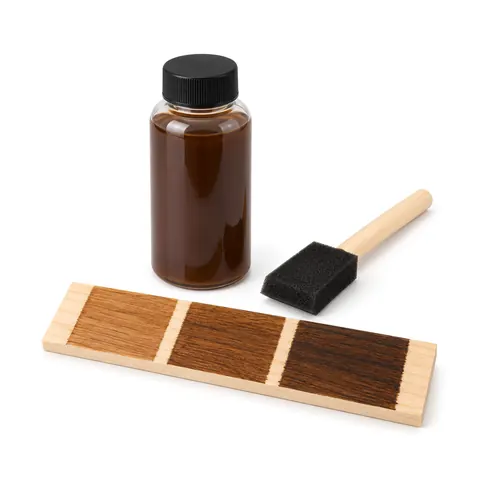
Water-Based Wood Stain for Chair Frames and Cane, 8.5 fl oz
Water-based wood stain in an 8.5 fl oz bottle, for refinishing chair frames and toning new natural cane to sit with an older frame. Five colors.
$9.99 · 5 options
-
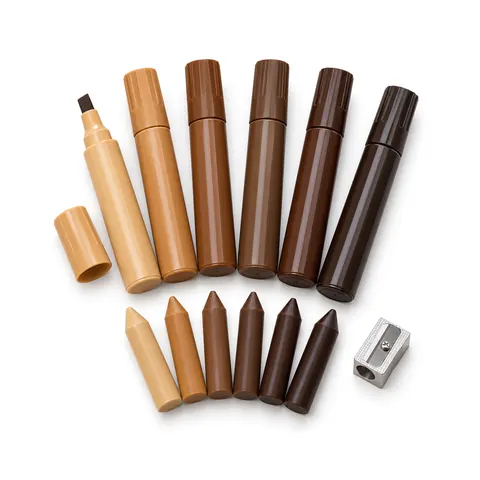
Furniture Touch-Up Markers and Wax Sticks, Light to Dark Wood
Wood-tone markers for scratches and worn edges, and soft wax sticks for small chips and nail holes, from light to dark, to tidy up a chair frame.
From $6.99 · 3 options