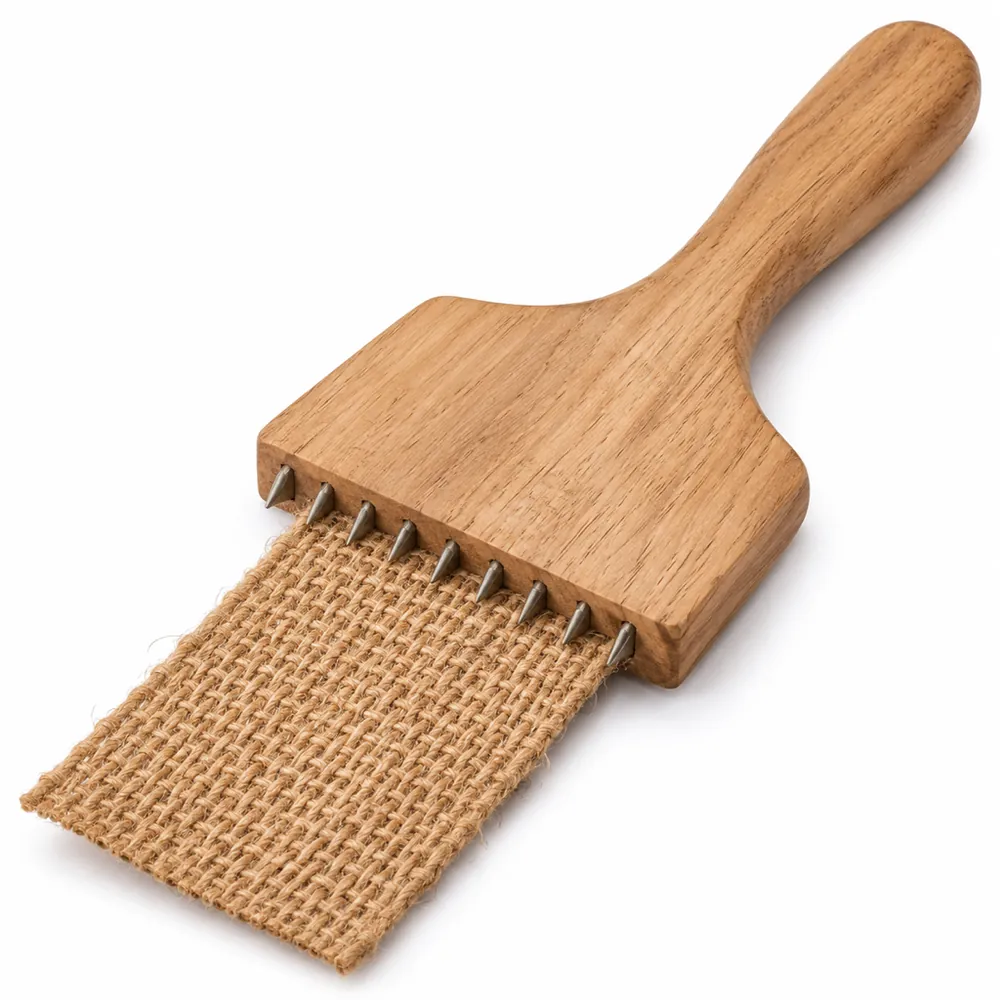
Photos illustrate the product type.
Tools for Caning and Upholstery
Webbing Stretcher for Jute Upholstery Webbing, Hardwood
Hardwood paddle with short spikes that grips jute webbing and levers it tight against the frame, so you can tack or staple a firm, even seat base.
Jute webbing does not stretch. To make a firm seat, it has to be pulled tight across the frame before you fix it, harder than you can pull by hand. A webbing stretcher does that by leverage.
It is a hardwood paddle with a row of short spikes. The spikes grip the weave of the webbing, one end braces against the frame, and pressing the handle down pulls the strap tight while your other hand fixes it.
Using it:
- Fold over the cut end of the webbing and fix it to one rail with a staggered row of tacks or staples.
- Bring the roll across to the opposite rail. Don't cut the strap yet: the stretcher needs the extra length to grip.
- Press the webbing onto the spikes, with the stretcher held at an angle and its end against the outside face of the rail.
- Lever the handle down until the strap is tight, and fix it to the rail while you hold it there.
- Release, cut the strap with a tail, fold the tail back and fix it again.
- Run all the straps one way first, then weave the cross straps over and under them and stretch them the same way.
Keep the same pressure on every strap so the seat is even. If the frame has finished show wood where the stretcher braces, put a folded cloth under it.
The stretcher is made for jute webbing. Elastic webbing is stretched by hand by a measured amount, usually 5 to 10 percent, and with a stretcher it is easy to overdo it.
Webbing, tacks and the rest of the tools are on the re-web and re-pad a chair seat project page.
How to choose
Check what the old seat was built on before you buy. If it had woven jute straps under springs, stuffing or a drop-in seat, you need a stretcher to get the new jute webbing tight. Jute does not stretch, and pulled by hand it stays slack.
If the old straps were black rubber, clipped into a slot or stapled to the rails, the seat uses elastic webbing. That is stretched by hand by a measured amount, with webbing clips where the frame has a slot, and you do not need a stretcher.
One stretcher does any number of seats.
Questions
Can I use it on elastic webbing?
No. Elastic webbing is stretched by hand by a measured amount, about 5 to 10 percent, and with a stretcher it is easy to overdo it. The stretcher is for jute webbing.
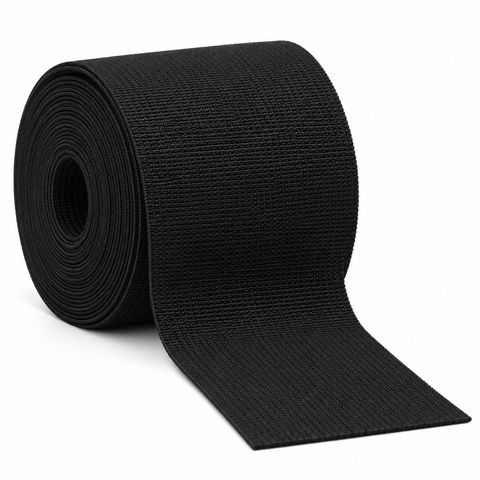 Elastic Chair Webbing
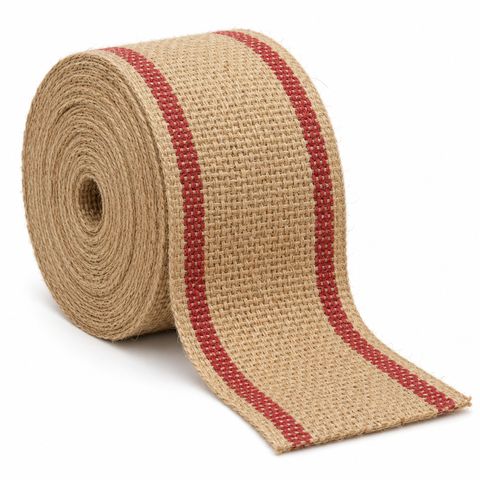 Jute Upholstery Webbing
Do I cut the jute webbing to length first?
No. Work straight off the roll so there is spare webbing for the stretcher to grip, and cut each strap only after it is fixed.
How tight should jute webbing be?
Tight enough that it barely gives when you press the middle, and the same on every strap. Stop levering when it no longer moves easily; forcing it further can split the rail.
Will it mark my chair?
The end of the stretcher presses against the outside of the rail. On show wood, put a folded cloth under it; on a rail that will be covered, it does not matter.
You may also need
-
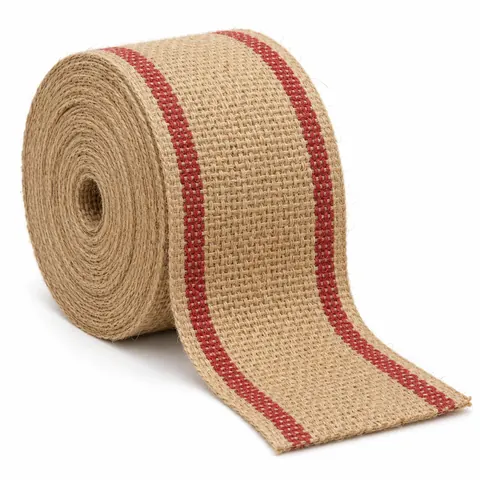
Jute Upholstery Webbing, 3.5 in Wide, 10 yd (30 ft) Roll
Natural woven jute webbing, 3.5 in wide on a 10 yd roll: the firm, traditional base woven across a seat frame under springs, padding or a drop-in seat.
$13.99
-
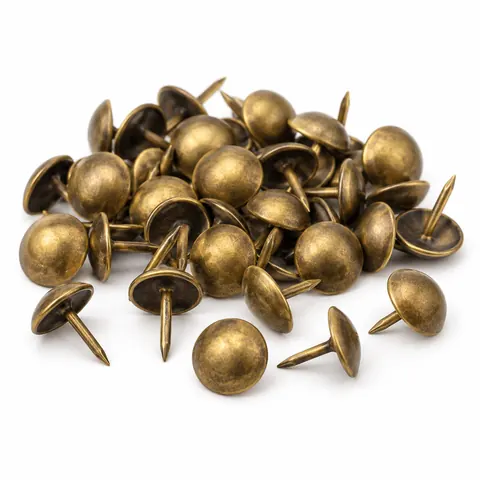
Upholstery Tacks, Antique Brass, 7/16 in Domed Head, 100 or 500
Round domed decorative tacks in an antique brass finish, 7/16 in head, for finishing rush, seagrass and upholstered seat edges and for nailhead trim.
From $6.99 · 2 options
-
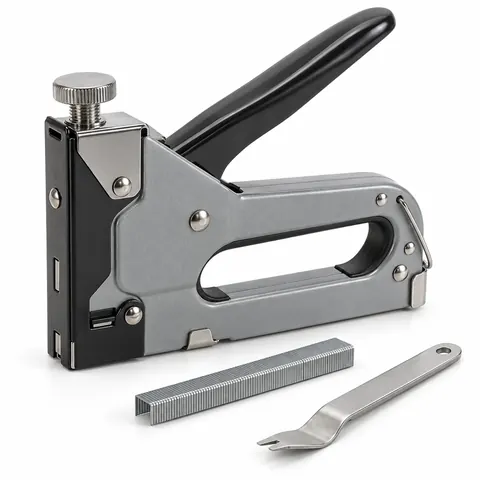
Upholstery Staple Gun Kit, Manual, with T50-Type Staples and Remover
Manual heavy-duty staple gun with about 3,000 T50-type staples and a staple remover, for cane on cabinet doors, seat webbing, fabric and dust covers.
$16.99